
Deadly Strikes Follow Netanyahu's Kite Warning
At least three Palestinians were killed in Israeli airstrikes across central Gaza, including a four-year-old child, as Israeli Prime Minister Benjamin Netanyahu threatened further military escalation in response to the alleged launching of paper kites from the territory. The strikes targeted a warehouse in az-Zawayda, reducing the building to rubble, and hit an area near Salah al-Din Street where young Muhammad Abdel Salam Taha lost his life.
Israeli drone attacks also struck southern Khan Younis and hit a tent sheltering displaced civilians at the Al-Aqsa Martyrs Hospital in Deir el-Balah, adding to the casualty toll. Residents caught in the destruction voiced growing frustration and exhaustion. Abu Ahmed, a witness surveying the ruins in az-Zawayda, summed up the prevailing mood: "There is no ceasefire; there is nothing. We want solutions; we want to live in peace."
A Joint Threat Built Around Children's Toys
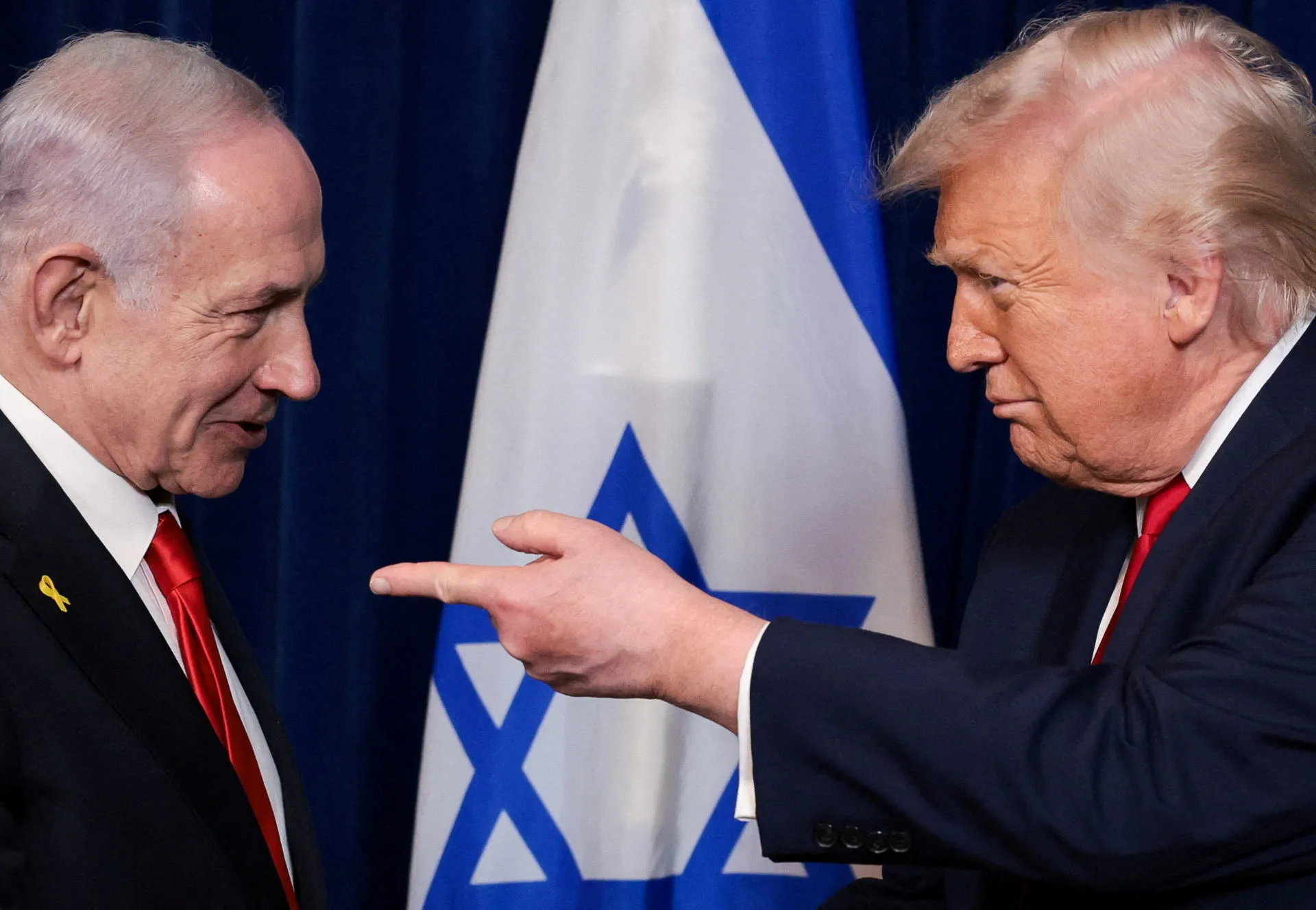
In the wake of the strikes, Netanyahu and Defense Minister Israel Katz issued a joint statement warning of severe retaliation over what they described as hostile activity involving kites, drones, and balloons launched from Gaza. The statement also threatened the forced displacement of Palestinians from areas allegedly used as launch sites. "There will be no return to the state of affairs prior to October 7, 2023," the statement read, asserting that Israel would not permit any group in Gaza to threaten Israeli communities.
However, the Israeli military's own inspections told a starkly different story. Authorities confirmed recovering only ten paper kites, all of which were free of explosives and had been flown by children in displacement camps. No evidence of drone launches was independently verified, despite the joint statement's inclusion of drones alongside kites and balloons.
Analysts Question the Legitimacy of the Threat
Palestinian and Israeli affairs experts have strongly challenged the Israeli government's framing of the situation, arguing that the kite narrative is being deliberately amplified to justify military action, derail ceasefire talks, and serve domestic political interests.
Palestinian political analyst Hussam Shaheen dismissed claims about drone launches as entirely unfounded. "It is a false and baseless assertion; it is non-existent. It has been denied, and there is no evidence whatsoever to prove any connection to drones," he said. Shaheen also underscored the logical inconsistency of treating children's kites as a credible security threat against a nuclear-armed state. "It is inconceivable that a state claiming to be a great power possessing a nuclear arsenal considers a paper kite flown by a Palestinian child a security threat," he noted.
He further pointed out that roughly 70 percent of Gaza remains under Israeli military control, making it difficult to understand how a paper kite could realistically penetrate Israeli defenses and constitute a meaningful danger.
Adel Shadid, an expert on Israeli affairs, suggested the entire episode may have been orchestrated. "It was clear that there was an intention to invest in and use these paper kites as a pretext, and the whole issue might be fabricated," Shadid said, adding that Hebrew-language media coverage appeared to be steered by the military establishment.
Political Survival and the October Elections
Several analysts have connected the sudden escalation to Israel's upcoming October elections, noting that the violence coincides with Israel's rejection of a United States-backed 15-point ceasefire roadmap that Hamas had already accepted.
Opinion polling cited by experts suggests Netanyahu's prospects of forming a government have deteriorated significantly, prompting questions about whether military escalation is being used to shore up domestic political support. "Opinion polls indicate that Netanyahu's chances of forming a government have become non-existent," Shadid said.
Shaheen reinforced this reading, arguing that Palestinians have historically served as an electoral tool for Israeli politicians seeking to consolidate nationalist support during times of uncertainty. The timing of the kite controversy, he suggested, is unlikely to be coincidental.
Displacement as a Strategic Objective
Beyond electoral calculations, analysts raised concerns about a deeper strategic agenda embedded within the escalation. The Israeli government's threat to forcibly displace Palestinians from kite launch sites was flagged as part of a broader effort to reshape the demographic landscape of Gaza.
"Netanyahu does not need to invent a major issue out of the paper kites; rather, the primary goal is pushing the Palestinians towards displacement and dodging any political commitment," Shaheen said.
Political researcher Suleiman Bisharat added that even seemingly weak pretexts serve an important purpose within the Israeli government's strategic communications. "It is true that we might consider these excuses superficial and weak, but ultimately Israel ties them to the security equation," he explained, noting that such framing is designed to instill fear within Israeli society and build public support for large-scale military responses.
As of Sunday, Defense Minister Katz had described the kite launches as an "act of war," a characterization that analysts say reveals how far the government is willing to stretch its justifications for continued military operations in Gaza.