Devastation Strikes Tocopilla Province
Northern Chile has been hit by a series of intense flash floods and mudslides, causing significant damage and disruption. The Tocopilla province, in particular, has borne the brunt of these natural disasters, prompting authorities to declare a state of catastrophe. The declaration facilitates emergency response efforts and resource allocation to the affected areas, underscoring the severity of the situation.
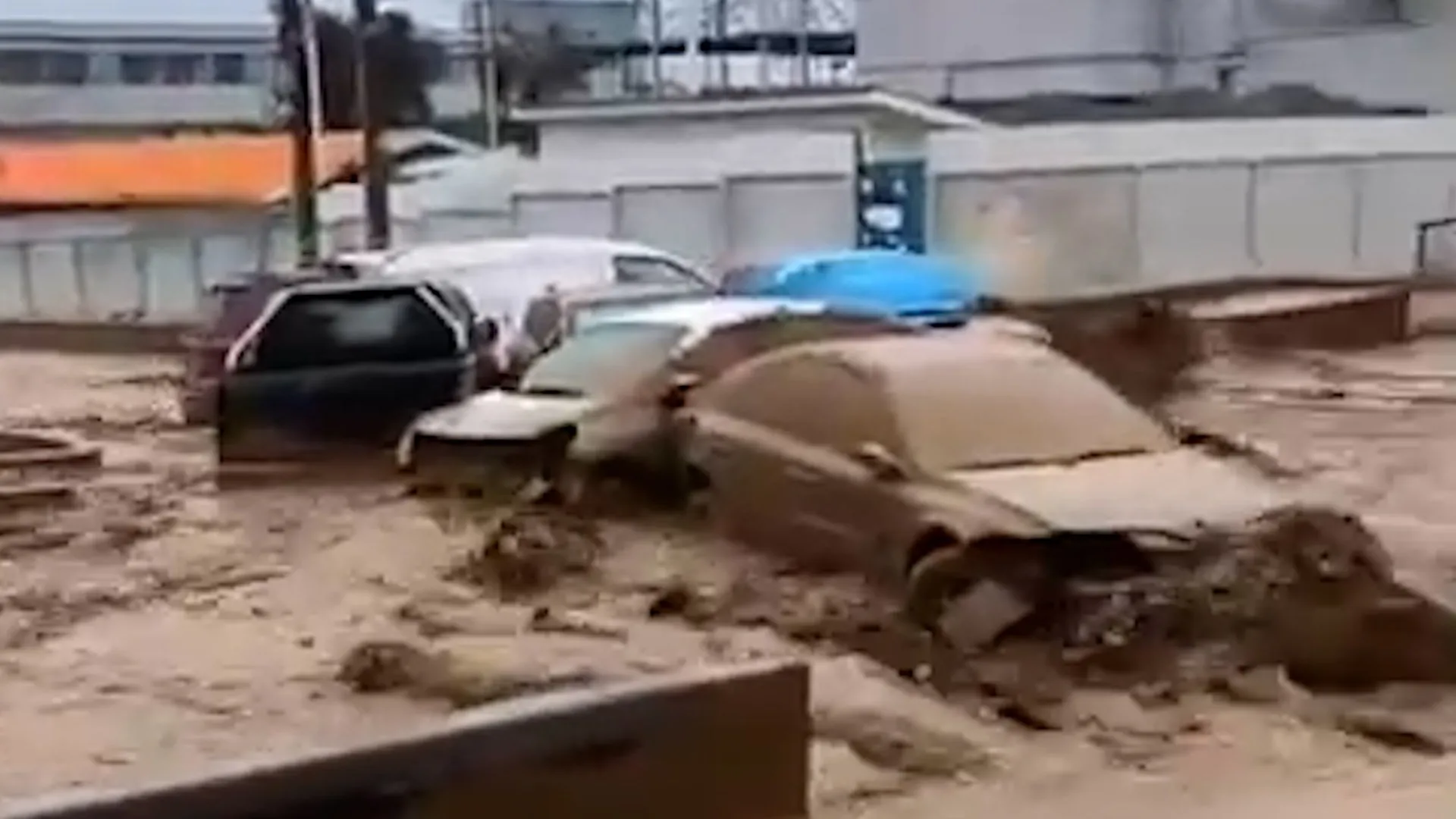
Residents described terrifying scenes as floodwaters, laden with mud and debris, surged through urban and rural landscapes. The sheer force of the water was powerful enough to dislodge and carry vehicles downhill, creating a chaotic and dangerous environment. Emergency services were immediately deployed to assist the population, focusing on evacuations and clearing critical infrastructure to restore some semblance of order.
Impact on Infrastructure and Daily Life
The relentless heavy rainfall has saturated the ground, leading to the destabilization of slopes and the formation of destructive mudslides. These slides have not only swept away cars but have also damaged homes, businesses, and essential public utilities. Roads have become impassable, cutting off communities and complicating rescue operations. The disruption to daily life is profound, with many residents displaced from their homes and facing an uncertain future as they contend with the aftermath of the floods.
The region's infrastructure, including roads, bridges, and communication networks, has sustained considerable damage. Rebuilding efforts are expected to be extensive and costly, requiring a concerted effort from both local and national governments. The immediate priority remains ensuring the safety of all citizens, providing shelter for those displaced, and delivering essential supplies such as food, water, and medical aid.
Emergency Response and Community Resilience
In response to the escalating crisis, emergency crews, including firefighters, police, and military personnel, have been working tirelessly. Their efforts have concentrated on evacuating individuals from high-risk zones, particularly areas prone to further mudslides or severe flooding. The process is challenging, often requiring specialized equipment and navigating treacherous terrain. Despite the difficulties, the coordinated response has been instrumental in mitigating potential casualties.
“The speed and intensity of the floods caught many off guard. We saw cars being tossed around like toys. It was a truly terrifying experience, and we are grateful for the quick response of the emergency teams,” recounted one local resident, highlighting the suddenness and ferocity of the event.
Community resilience has also been a notable aspect of the response. Neighbors have been assisting neighbors, demonstrating a strong spirit of solidarity in the face of adversity. Volunteer groups have emerged, offering help with clean-up operations and providing support to those most affected. This collective effort is crucial in the initial phases of disaster recovery, complementing the larger-scale government interventions.
Climate Change and Future Preparedness
While specific weather events are complex, the increasing frequency and intensity of extreme weather phenomena like these flash floods are often linked to broader climate change patterns. Northern Chile, characterized by its arid climate, is particularly vulnerable to such sudden and heavy precipitation, which can overwhelm its natural drainage systems and infrastructure not designed for such volumes of water.
Experts suggest that a long-term strategy involving improved early warning systems, reinforced infrastructure, and enhanced urban planning will be essential for future preparedness. Investing in climate-resilient infrastructure and developing comprehensive disaster management plans can help minimize the impact of similar events in the future. Educating the public on disaster preparedness and evacuation procedures is also a critical component of building more resilient communities.
As the heavy rains persist, the situation remains fluid, and authorities continue to monitor weather patterns closely. The focus will eventually shift from immediate rescue and relief to long-term recovery and reconstruction. The events in Tocopilla serve as a stark reminder of the powerful and unpredictable nature of natural disasters and the ongoing need for robust preparedness and response mechanisms.