Decades-Long Mystery Reaches Courtroom
The highly anticipated trial concerning the 1996 murder of acclaimed American rapper Tupac Shakur has officially commenced, bringing a long-standing cold case into the legal spotlight. This development marks a significant moment, as it is the first time an individual has been formally prosecuted in connection with the musician's death, which occurred nearly thirty years ago in Las Vegas, Nevada.
The Accused and the Prosecution's Case
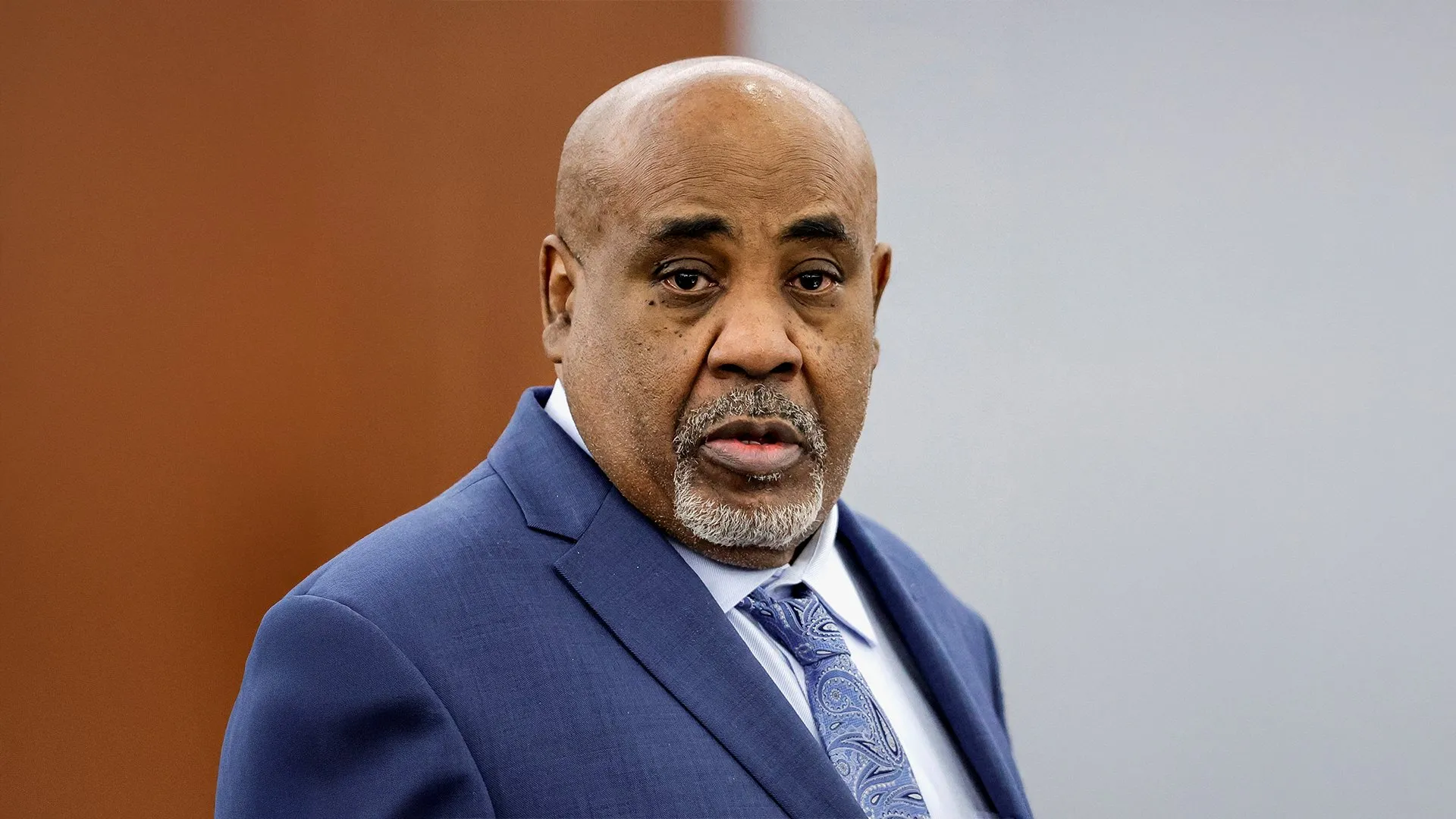
Duane ‘Keffe D’ Davis, identified as a former gang boss, is the central figure in these proceedings. He stands accused of orchestrating the fatal shooting that claimed Shakur's life. The prosecution's strategy heavily relies on statements Davis allegedly made over the years, including details shared in his published memoir and during various interviews. These alleged confessions are being presented as crucial evidence to establish his involvement and culpability in the crime.
The legal team representing the state is expected to meticulously detail how Davis's own words, recorded and published, provide an account of the events leading up to and following Shakur's death. They will likely argue that these admissions, whether intended as boasts or genuine recollections, offer a direct link to the murder and demonstrate his role in the conspiracy.
Defense Challenges Alleged Confessions
Conversely, Davis's defense team has adopted a strategy that aims to discredit these alleged confessions. They contend that the statements made by their client in his memoir and during interviews were not factual admissions of guilt but rather fabrications or exaggerations. The defense is expected to argue that these claims were possibly made for personal gain, such as increasing book sales or generating media attention, and should not be taken as truthful accounts of the murder.
Their argument will likely focus on the context in which these statements were made, suggesting that they lack the reliability typically associated with genuine confessions. They may also attempt to highlight inconsistencies or discrepancies within Davis's various accounts, aiming to cast doubt on their veracity and undermine the prosecution's central pillar of evidence.
Background of the Tupac Shakur Murder
Tupac Shakur, a prolific and influential figure in hip-hop music, was shot on September 7, 1996, in a drive-by shooting at the intersection of Flamingo Road and Koval Lane in Las Vegas, Nevada. He was traveling in a car with Death Row Records CEO Suge Knight after attending a Mike Tyson boxing match. Shakur sustained multiple gunshot wounds and succumbed to his injuries six days later, on September 13, 1996, at the age of 25. His death sent shockwaves through the music industry and beyond, becoming one of the most enduring mysteries in popular culture.
For decades, the case remained unsolved, fueled by numerous theories, speculation, and a lack of concrete legal action. The absence of arrests and prosecutions contributed to the enduring intrigue surrounding the circumstances of his untimely demise. The recent indictment and subsequent trial of Duane Davis represent a significant breakthrough in a case that many believed would never see a courtroom resolution.
Implications for Justice and Legacy
The commencement of this trial carries substantial implications, not only for the pursuit of justice in a high-profile murder case but also for the legacy of Tupac Shakur. For nearly three decades, fans, family, and law enforcement have sought answers. This legal process offers the potential for closure, regardless of the outcome. The trial is expected to revisit long-dormant evidence, witness testimonies, and expert analyses, potentially shedding new light on the events of that fateful night in 1996.
The proceedings are likely to be closely watched by the public and media, given the enduring cultural impact of Tupac Shakur and the historical significance of his murder. The outcome will undoubtedly contribute to the narrative surrounding one of music's most tragic and enigmatic figures, and could redefine the understanding of the events that led to his death. The legal battle is poised to be a complex and emotionally charged process, as both sides present their arguments in a case that has captivated the world for nearly 30 years.