Late-Season Snowfall Transforms Landscapes in Southern Africa
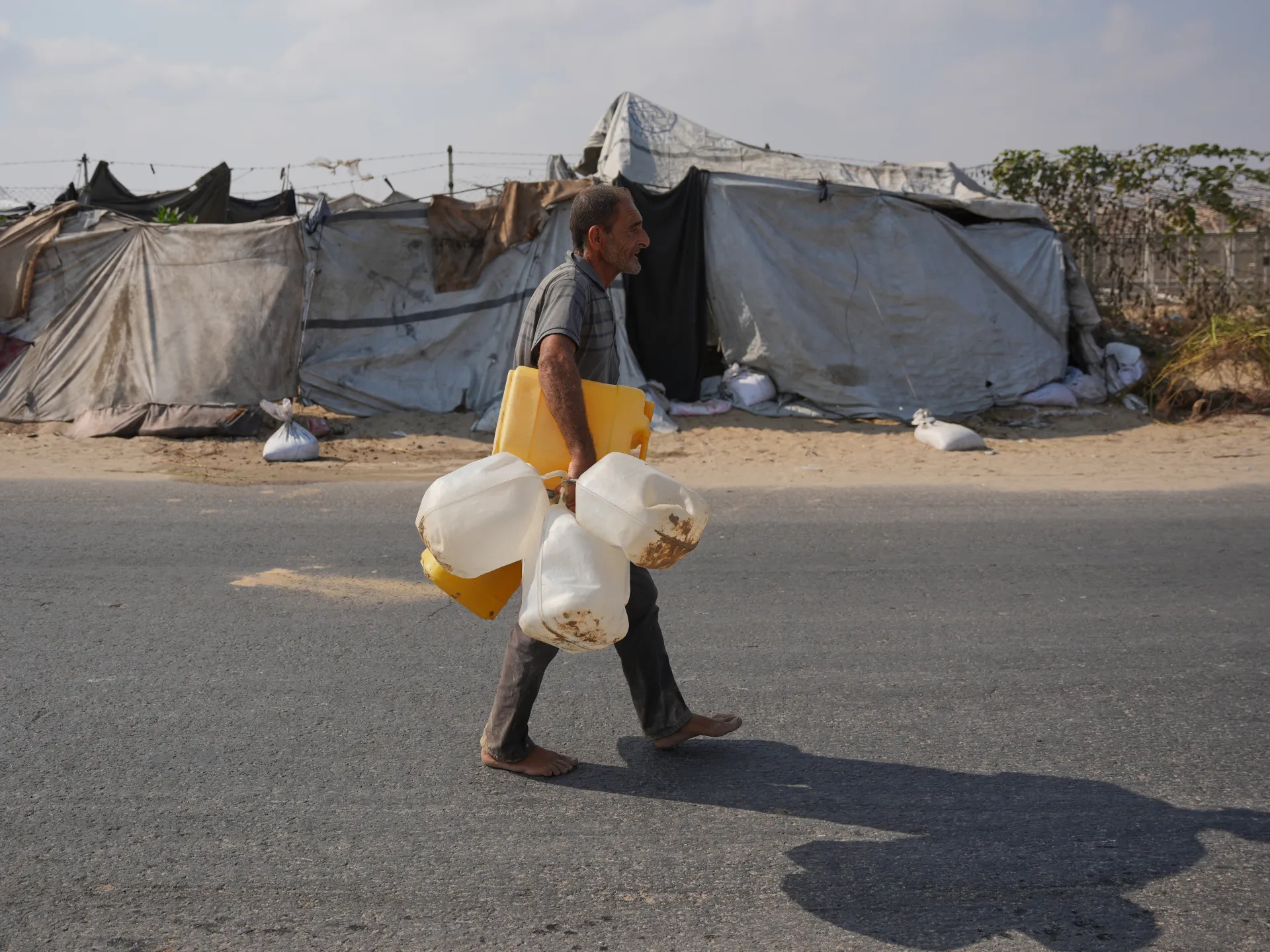
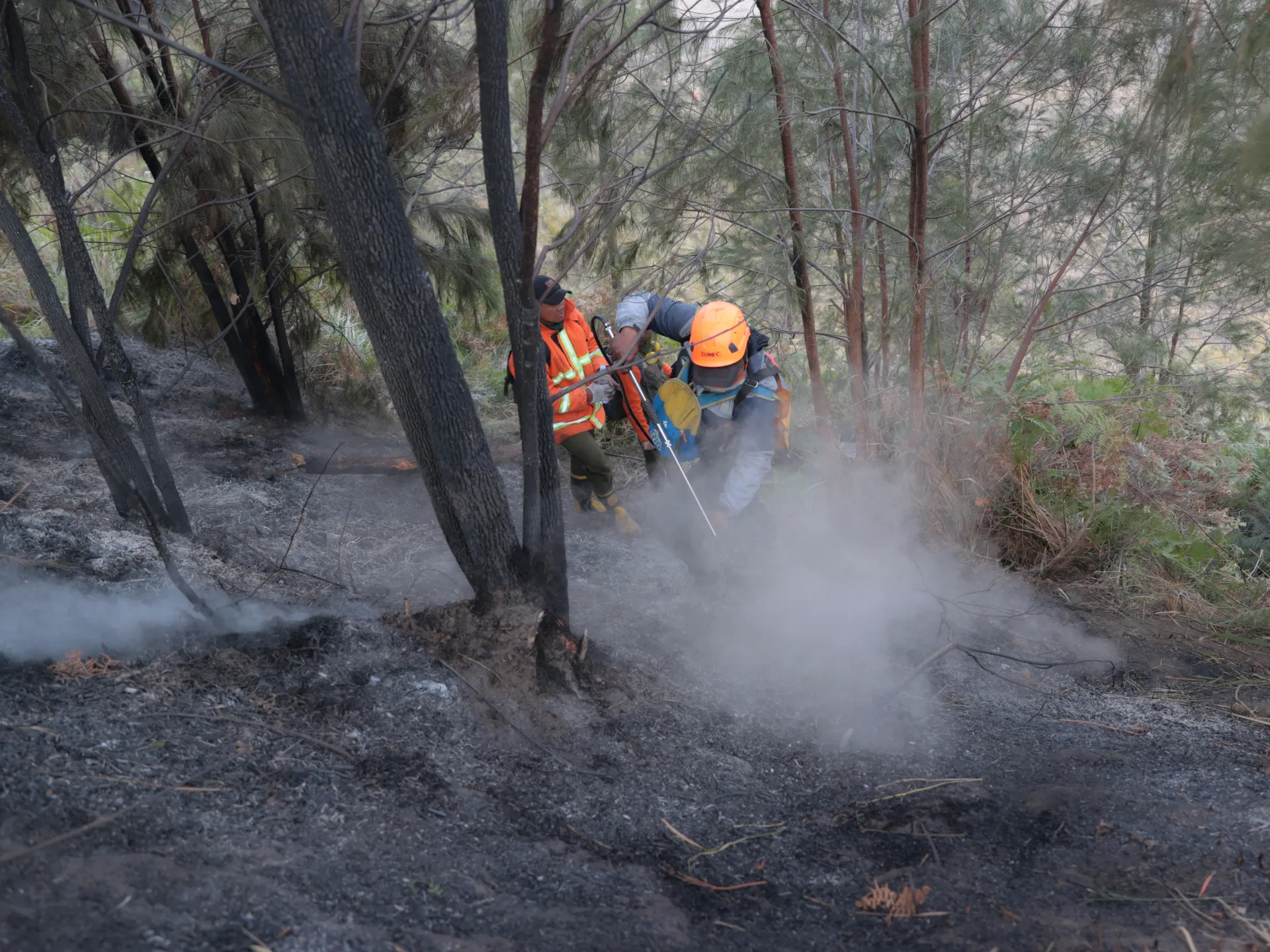
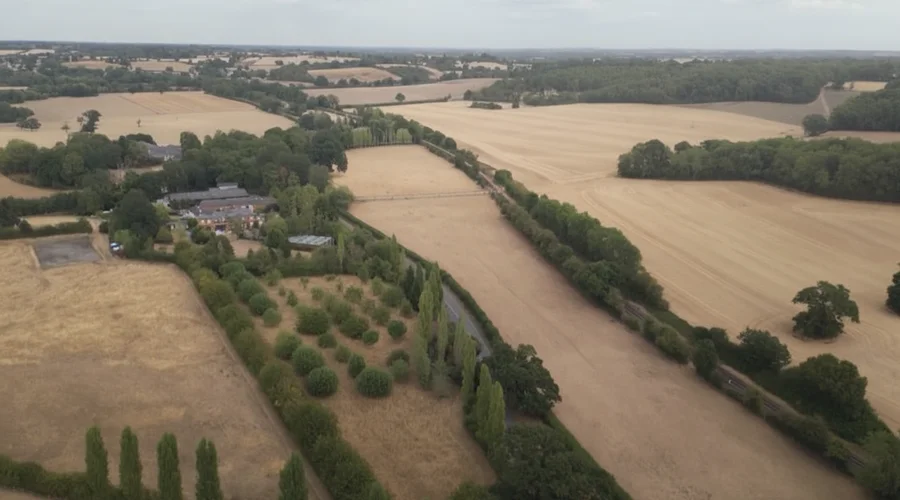
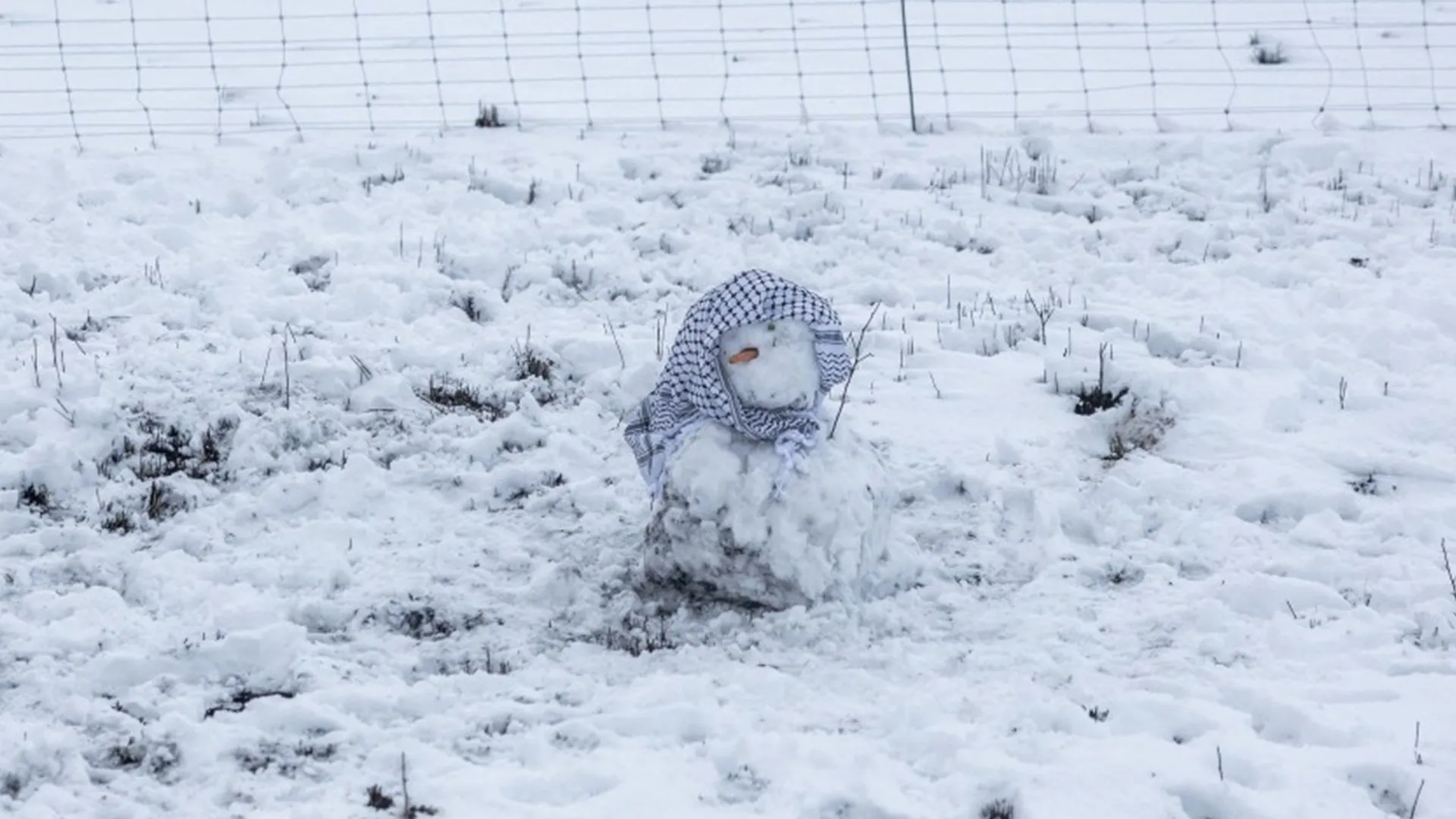
As the Southern Hemisphere winter gradually draws to a close, several regions across Southern Africa, particularly within South Africa and the mountain kingdom of Lesotho, have witnessed an unusual and picturesque phenomenon: significant late-season snowfall. This unexpected turn of weather has transformed familiar landscapes into wintry scenes, captivating residents and observers alike. The timing of this snowfall is noteworthy, occurring as the region typically transitions towards warmer spring conditions, and it stands in stark opposition to the extreme climatic events, such as heatwaves and wildfires, that have been simultaneously impacting various parts of the Northern Hemisphere.
The arrival of snow, particularly in areas not accustomed to such heavy or late-period precipitation, has generated considerable interest. While mountainous regions of Lesotho, known for its high-altitude terrain, are more prone to winter snowfall, the extent and timing of these recent events have been described as somewhat out of the ordinary. In South Africa, areas that rarely see snow, or only experience it earlier in the winter season, have been covered in a white blanket, offering a rare spectacle for many communities.
Meteorological Context and Global Climate Patterns
Meteorologists are closely monitoring these late-season weather patterns to understand their broader implications within the context of global climate trends. While individual weather events cannot definitively be attributed to climate change, the increasing frequency of extreme or unusual weather phenomena worldwide prompts ongoing scientific inquiry. The contrast between the cold snap in Southern Africa and the intense heat experienced in parts of Europe, North America, and Asia highlights the complex and often paradoxical nature of current global weather systems.
The Southern Hemisphere's winter, which typically spans from June to August, is now nearing its end. As such, the expectation is generally for temperatures to begin their upward trend, signaling the imminent arrival of spring. The recent snowfall, therefore, represents a deviation from this anticipated seasonal progression. This late cold front has brought with it not only snow but also a notable drop in temperatures across the affected areas, prompting residents to prepare for colder-than-average conditions for this time of year.
Impact on Local Communities and Environment
For local communities, the snowfall brings a mix of challenges and opportunities. On one hand, the picturesque scenery attracts tourists and photographers, providing a temporary boost to local economies in certain areas. Children, in particular, often delight in the rare chance to play in the snow. However, the sudden drop in temperature and the accumulation of snow can also pose practical difficulties. Roads may become treacherous or impassable, leading to disruptions in transport and communication. For agricultural communities, unseasonal cold and snow can impact livestock and crops, depending on the intensity and duration of the weather event.
Farmers in affected areas often need to take extra precautions to protect their animals from the cold and ensure access to feed and water. Infrastructure, such as power lines, can also be vulnerable to heavy snow and strong winds, potentially leading to power outages. Emergency services are typically placed on alert to respond to any incidents related to the adverse weather conditions, including assisting stranded motorists or addressing health concerns exacerbated by the cold.
The striking visual contrast between Southern Africa's unseasonal snowfall and the Northern Hemisphere's heatwaves underscores the diverse and often unpredictable nature of global weather patterns in the current climate era.
Broader Climatic Perspective
The phenomenon of late-season snowfall in Southern Africa contributes to the ongoing global dialogue about climate variability and change. While seasonal weather anomalies have always been a part of Earth's climate system, the observed shifts in their frequency, intensity, and timing are subjects of extensive scientific research. The specific atmospheric conditions that led to this cold snap and precipitation event are being analyzed to understand how they fit into larger meteorological patterns and whether they represent a growing trend of more unpredictable seasonal transitions.
As the world continues to grapple with the effects of a changing climate, such events serve as reminders of the dynamic nature of our planet's weather systems. They highlight the importance of robust climate monitoring, accurate forecasting, and adaptable community preparedness strategies to navigate an increasingly complex climatic landscape. The recent snowfall in Southern Africa, while beautiful, is also a part of a broader global narrative of environmental shifts that demand continued attention and understanding.