Introduction to 'Pilot Zones' in Southern Lebanon
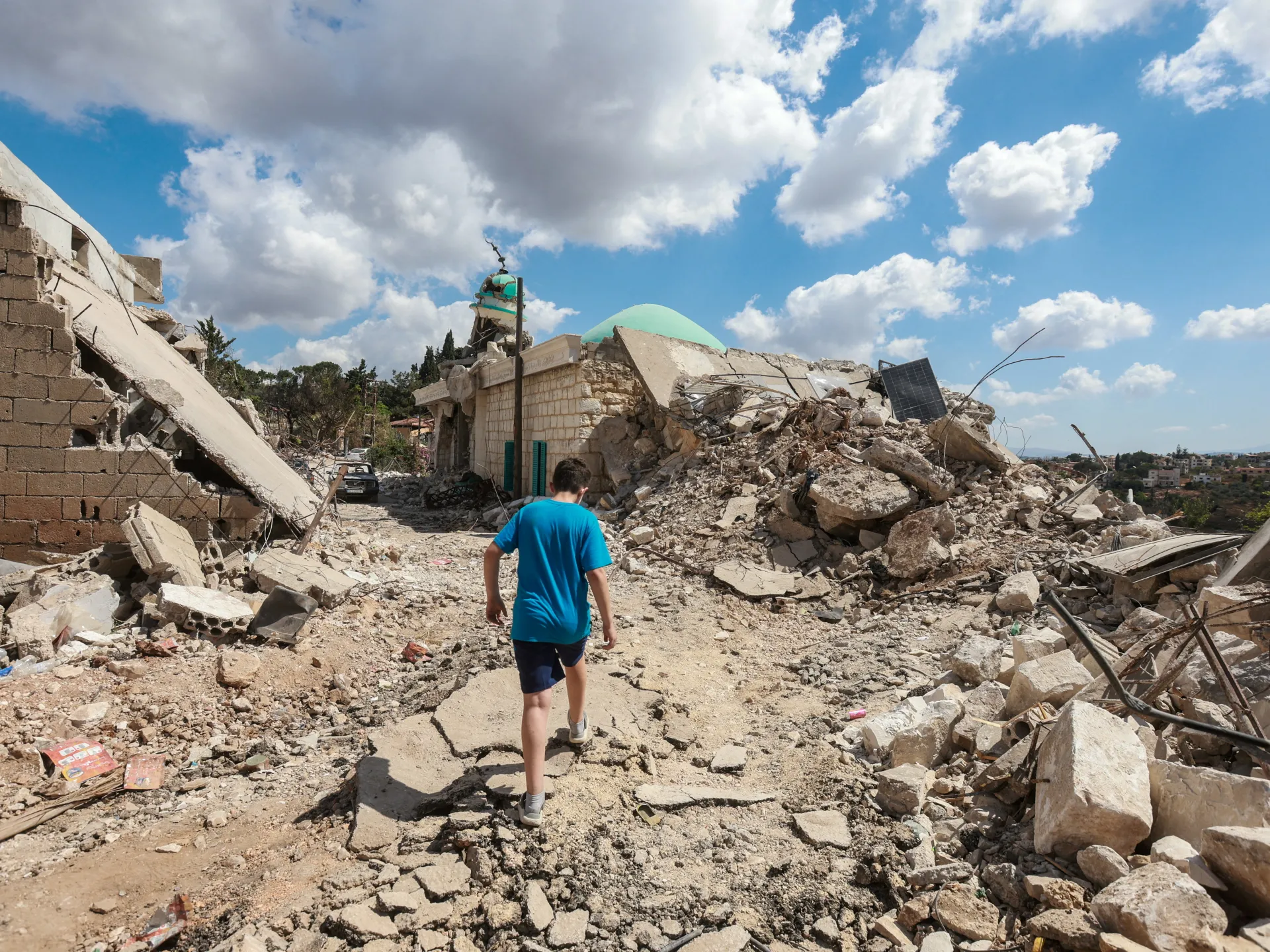
In the intricate geopolitical landscape of the Middle East, specific areas within southern Lebanon have become subjects of international scrutiny, referred to as 'pilot zones.' These zones are at the heart of a significant debate involving regional and global powers, primarily the United States and Israel. The central premise behind the designation of these areas as 'pilot zones' revolves around the demand for external verification regarding the operational status of certain non-state actors, particularly Hezbollah.
The concept of 'pilot zones' is not merely an administrative demarcation but represents a strategic proposal aimed at fostering greater transparency and accountability in a region historically prone to conflict and instability. The calls for foreign observers to be stationed within these zones underscore a broader international desire to de-escalate tensions and prevent potential escalations that could have far-reaching consequences for regional peace and security.
The International Perspective: US and Israeli Concerns
Both the United States and Israel have articulated explicit concerns regarding the activities within southern Lebanon. Their primary apprehension centers on the alleged operational presence of Hezbollah, an organization they classify as a terrorist group. These nations contend that Hezbollah's activities in the region pose a direct threat to Israel's security and contribute to the overall destabilization of Lebanon.
The demand for foreign observers within these 'pilot zones' is presented as a mechanism to independently verify that Hezbollah is not conducting operations in these specific areas. This verification process is deemed crucial for building trust and ensuring adherence to international agreements and resolutions that prohibit the presence of armed groups outside the control of the Lebanese state. The international community, through various diplomatic channels, has been urged to support this initiative, viewing it as a vital step towards enhancing regional stability.
Hezbollah's Stance and Lebanese Sovereignty
Hezbollah, a powerful political and military force in Lebanon, has its own perspective on these proposals. The group views such demands as an infringement on Lebanese sovereignty and an attempt to undermine its legitimate role in Lebanese society and its resistance against perceived external threats. Hezbollah maintains that its presence and activities are defensive in nature and are aimed at protecting Lebanon from aggression.
The Lebanese government finds itself in a delicate position, balancing international pressures with domestic political realities. While keen to maintain international support and avoid further isolation, the government must also navigate the complex internal dynamics, where Hezbollah holds significant political influence. The debate over 'pilot zones' thus becomes a test of Lebanon's ability to assert its sovereignty while addressing international concerns.
The Role of Foreign Observers and Verification Mechanisms
The proposed role of foreign observers is critical to the concept of 'pilot zones.' These observers, ideally drawn from neutral international bodies or multinational forces, would be tasked with monitoring the designated areas to ensure that no unauthorized military activities are taking place. Their presence would be intended to provide an impartial assessment, thereby reducing the scope for misinterpretation or accusations.
Establishing effective verification mechanisms would involve clear mandates, robust reporting protocols, and access to all relevant areas within the 'pilot zones.' The success of such a mission would depend on the cooperation of all parties involved, including the Lebanese government, local communities, and potentially Hezbollah itself. The international community would play a crucial role in legitimizing and supporting these observation efforts, providing the necessary resources and diplomatic backing.
Historical Context and Future Implications
Southern Lebanon has a long history of conflict and external intervention. The region has been a flashpoint for various geopolitical struggles, and the current discussions around 'pilot zones' are part of this ongoing narrative. Understanding this historical context is essential for appreciating the complexities of the current situation. Previous attempts at establishing buffer zones or international monitoring mechanisms have met with varying degrees of success, highlighting the challenges inherent in such endeavors.
The future implications of the 'pilot zones' initiative are significant. If successfully implemented, it could pave the way for a more stable and secure southern Lebanon, potentially reducing the risk of conflict and fostering greater trust between Lebanon and its neighbors. Conversely, if the initiative fails to gain traction or is met with resistance, it could exacerbate existing tensions and further complicate efforts to achieve lasting peace in the region. The ongoing dialogue and diplomatic efforts will be critical in determining the trajectory of these proposals.
Conclusion: A Path Towards De-escalation?
The discussions surrounding 'pilot zones' in southern Lebanon represent a complex and multifaceted issue. While driven by legitimate security concerns from certain international actors, they also touch upon sensitive issues of national sovereignty and the internal political dynamics of Lebanon. The potential deployment of foreign observers, if agreed upon by all relevant parties, could offer a pathway towards de-escalation and increased transparency. However, achieving consensus and ensuring effective implementation will require sustained diplomatic engagement, mutual understanding, and a commitment from all stakeholders to prioritize regional stability.