New Wave of Violence Strikes Manipur
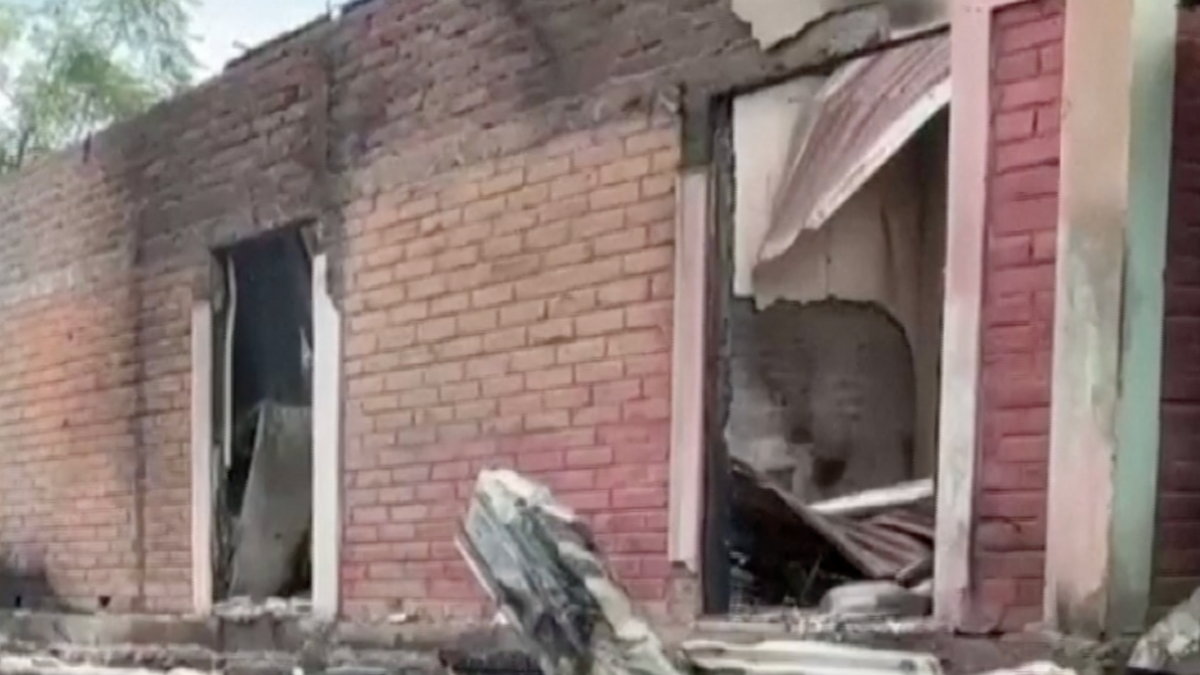
India's northeastern state of Manipur has been shaken by another episode of unrest, with multiple residential structures set on fire and an exchange of gunfire reported between two rival groups. A security officer sustained injuries during the incident, raising fresh concerns about the region's fragile peace and the government's ability to restore order.
The latest outbreak follows a pattern of recurring violence that has made Manipur one of the most conflict-affected regions in India in recent years. The state, which borders Myanmar, has been a flashpoint for ethnic tensions that have repeatedly spilled over into bloodshed, displacement, and destruction of property.
Three Years of Ethnic Conflict
The current cycle of violence is rooted in deep-seated ethnic and religious divisions that escalated dramatically beginning in 2023. The clashes have primarily involved the Meitei community, who are predominantly Hindu and make up the majority of Manipur's population, and the Kuki-Zo people, who are largely Christian and reside mainly in the state's hill districts.
The conflict has resulted in hundreds of deaths, widespread displacement of tens of thousands of civilians, and the destruction of homes, churches, temples, and other community infrastructure. Entire villages have been abandoned as residents fled to relief camps or sought safety in neighboring states.
Analysts and human rights observers have pointed to a complex web of grievances fueling the unrest, including disputes over land rights, political representation, and access to government benefits. The question of Scheduled Tribe status for the Meitei community — a classification that would entitle them to certain affirmative action protections historically reserved for hill communities — has been cited as a particularly sensitive trigger for hostilities.
Security Challenges and Government Response
Indian authorities have deployed substantial security forces to Manipur over the course of the conflict, including the Indian Army, paramilitary units, and state police. Despite these measures, sporadic violence has continued to erupt across various parts of the state.
The central government in New Delhi as well as the state administration have faced sustained criticism from opposition parties, civil society groups, and affected communities over their handling of the crisis. Critics have argued that the response has been slow, inadequate, and at times tilted in favor of one community over another — allegations that officials have denied.
Internet shutdowns have been imposed repeatedly in the state as a security measure, drawing further criticism from press freedom advocates and digital rights organizations who argue that such restrictions limit accountability and hinder the flow of information about conditions on the ground.
Humanitarian Impact on Civilians
The human cost of the ongoing conflict has been severe. According to various reports compiled over the past three years, more than 200 people have lost their lives, and an estimated 60,000 or more have been displaced from their homes. Relief camps across the state continue to shelter thousands of individuals who have been unable to return to their villages due to security concerns.
Community organizations and religious groups on both sides of the divide have reported ongoing difficulties in accessing basic necessities, including food, medical care, and education for children. Humanitarian agencies operating in the region have noted that the persistent instability makes it difficult to deliver consistent aid to those most in need.
Women and children have been disproportionately affected, with reports documenting incidents of gender-based violence alongside the broader patterns of communal conflict. These accounts have attracted international attention and calls for independent investigations.
Prospects for Peace Remain Uncertain
Despite various peace initiatives, dialogue efforts, and political negotiations attempted over the course of the conflict, a durable resolution has remained elusive. Trust between the two communities has eroded significantly, and many displaced individuals have expressed reluctance to return to areas where they once lived alongside members of the opposing group.
Civil society leaders and conflict resolution experts have emphasized that any lasting peace will require not only improved security on the ground but also broader political dialogue, accountability for perpetrators of violence, and long-term investment in reconciliation and rebuilding affected communities.
The fresh outbreak of arson and gunfire serves as a stark reminder that Manipur's underlying tensions remain unresolved. As the state approaches what many hope will be a turning point, the immediate priority for authorities is to prevent further escalation and protect civilians caught in the crossfire of a conflict that has already claimed far too many lives and livelihoods.