JCB's Hydrogen Engine Demonstrates Record-Breaking Performance
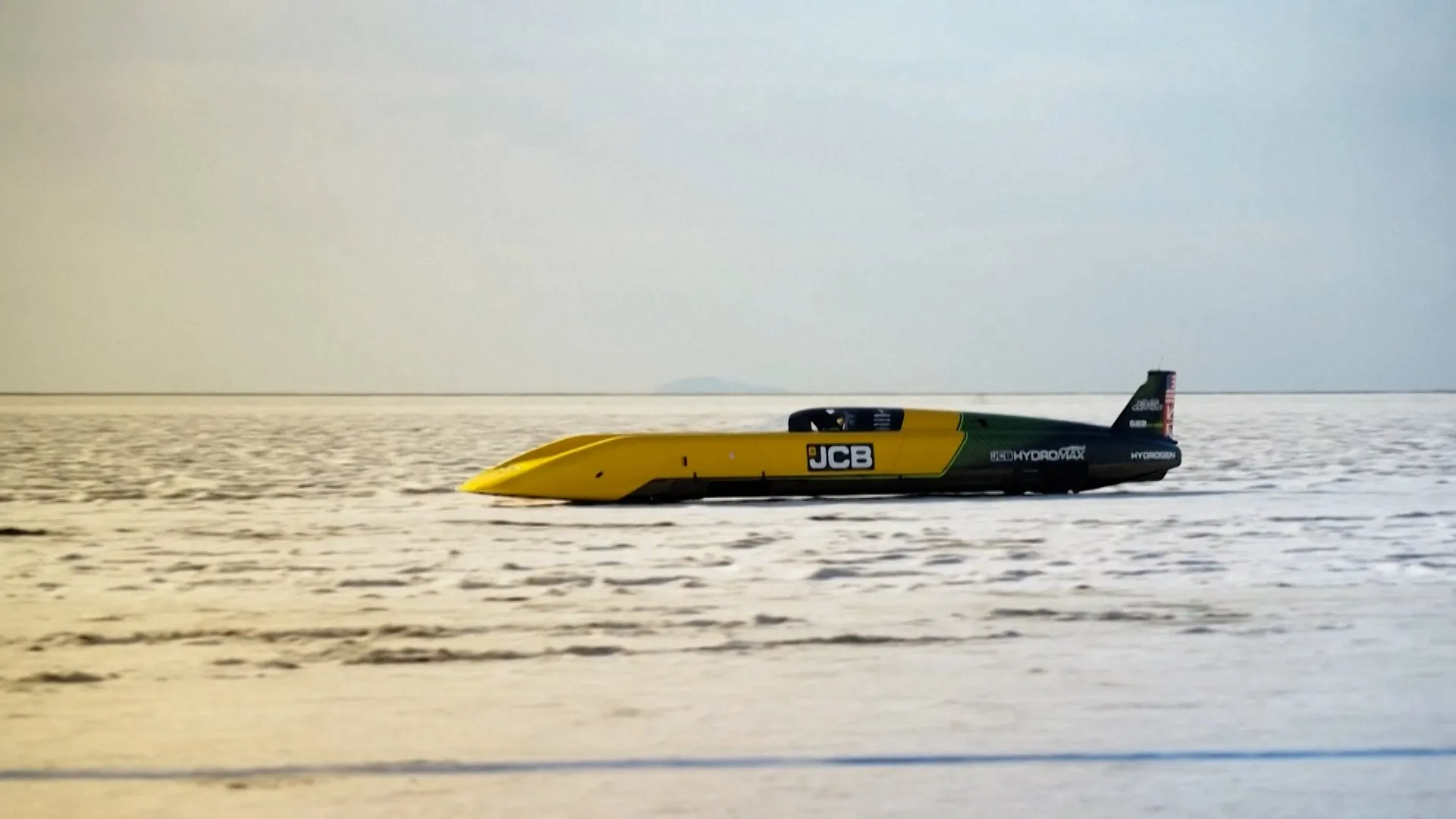
In a significant development for sustainable engineering, a hydrogen-powered vehicle has successfully set a new world land speed record. This achievement underscores the growing potential of hydrogen as a clean energy source, particularly for applications traditionally dominated by fossil fuels. The record was established by a vehicle developed by JCB, a prominent British engineering company known for its heavy machinery. This accomplishment not only pushes the boundaries of speed for hydrogen-fueled transportation but also highlights JCB's substantial investment and commitment to developing hydrogen combustion technology as a viable, zero-carbon alternative for a wide range of industrial equipment.
The successful record attempt serves as a powerful demonstration of the capabilities of hydrogen combustion engines. Unlike hydrogen fuel cell technology, which generates electricity through a chemical reaction, hydrogen combustion directly burns hydrogen gas to produce power, similar to how gasoline or diesel engines operate. However, the primary emission from hydrogen combustion is water vapor, making it an attractive option for reducing greenhouse gas emissions. JCB's foray into this area signals a strategic move towards decarbonizing heavy-duty sectors, where electrification might pose challenges due to power requirements, battery weight, and charging infrastructure.
Technological Advancements in Hydrogen Combustion
The record-breaking vehicle incorporated advanced engineering to optimize the performance of its hydrogen combustion engine. Achieving high speeds with hydrogen presents unique challenges, including managing the rapid combustion rate of hydrogen, ensuring efficient fuel delivery, and dissipating heat effectively. The engineering team at JCB likely focused on refining engine design, optimizing air-fuel mixture ratios, and developing robust thermal management systems to push the limits of hydrogen combustion technology. This success is a testament to years of research and development aimed at making hydrogen engines not only efficient but also powerful enough for demanding applications.
The vehicle's design would have also played a crucial role in its speed. Aerodynamics, lightweight materials, and a meticulously engineered drivetrain are all critical components in setting land speed records. While specific details about the vehicle's construction were not extensively publicized, it can be inferred that a holistic approach to engineering, combining engine innovation with vehicle dynamics, was essential for this achievement. The record serves as a proof of concept, illustrating that hydrogen combustion can deliver high performance without compromising environmental objectives.
Implications for Heavy Machinery and Beyond
JCB's primary business revolves around manufacturing construction and agricultural equipment. The company's investment in hydrogen combustion technology is directly aimed at providing zero-emission solutions for these industries. Heavy machinery, such as excavators, loaders, and tractors, typically relies on large diesel engines, which are significant contributors to carbon emissions and air pollution. Transitioning these machines to hydrogen power could have a profound positive impact on environmental sustainability in construction sites, farms, and other industrial settings.
The land speed record, while a high-profile demonstration, is fundamentally about proving the robustness and power output of JCB's hydrogen engine. If this technology can propel a vehicle to record-breaking speeds, it suggests it is more than capable of providing the necessary torque and power for demanding tasks like digging, lifting, and hauling. This could accelerate the adoption of hydrogen in various sectors, offering an alternative to battery-electric solutions, which may not always be practical for continuous, heavy-duty operation due to charging times and battery degradation.
Furthermore, the success of hydrogen combustion in a high-performance setting could inspire further research and development across the automotive industry. While fuel cells are often highlighted for passenger vehicles, combustion engines offer a potentially less complex and more cost-effective pathway to hydrogen adoption for certain vehicle types and markets. This record helps to validate hydrogen combustion as a serious contender in the race to decarbonize transportation and industrial power.
The Future of Zero-Carbon Alternatives
The establishment of this new land speed record for a hydrogen-powered vehicle marks a significant milestone in the journey towards a carbon-neutral future. It showcases that hydrogen combustion, when engineered effectively, can deliver both environmental benefits and high performance. As global efforts to combat climate change intensify, the development and deployment of such zero-carbon alternatives become increasingly vital. JCB's achievement not only celebrates a technical triumph but also signals a promising direction for the future of sustainable heavy machinery and potentially other forms of transportation.
The company's continued commitment to hydrogen technology is expected to lead to more practical applications in the coming years, bringing these innovations from the record track to construction sites and beyond. This record contributes to a broader narrative of innovation in clean energy, demonstrating that environmental responsibility and high-performance engineering can indeed go hand in hand.