Migrant Women in Ceuta Report Sexual Assault During Border Crisis
A significant number of migrant women who recently crossed into Ceuta, the Spanish enclave located on the northern coast of Africa, have come forward with reports of sexual assault. More than a dozen individuals described harrowing experiences of harassment and violence as part of a broader wave of migration into the territory.
Makeshift Camps Form Outside Registration Centers
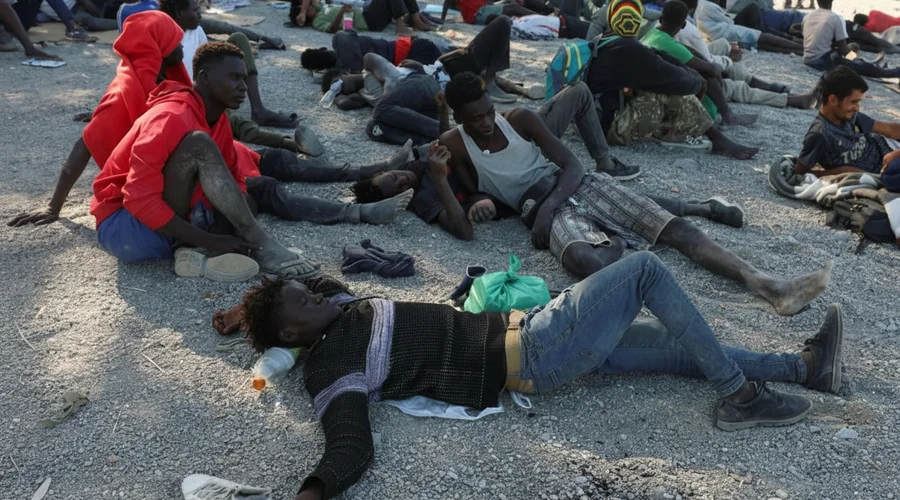
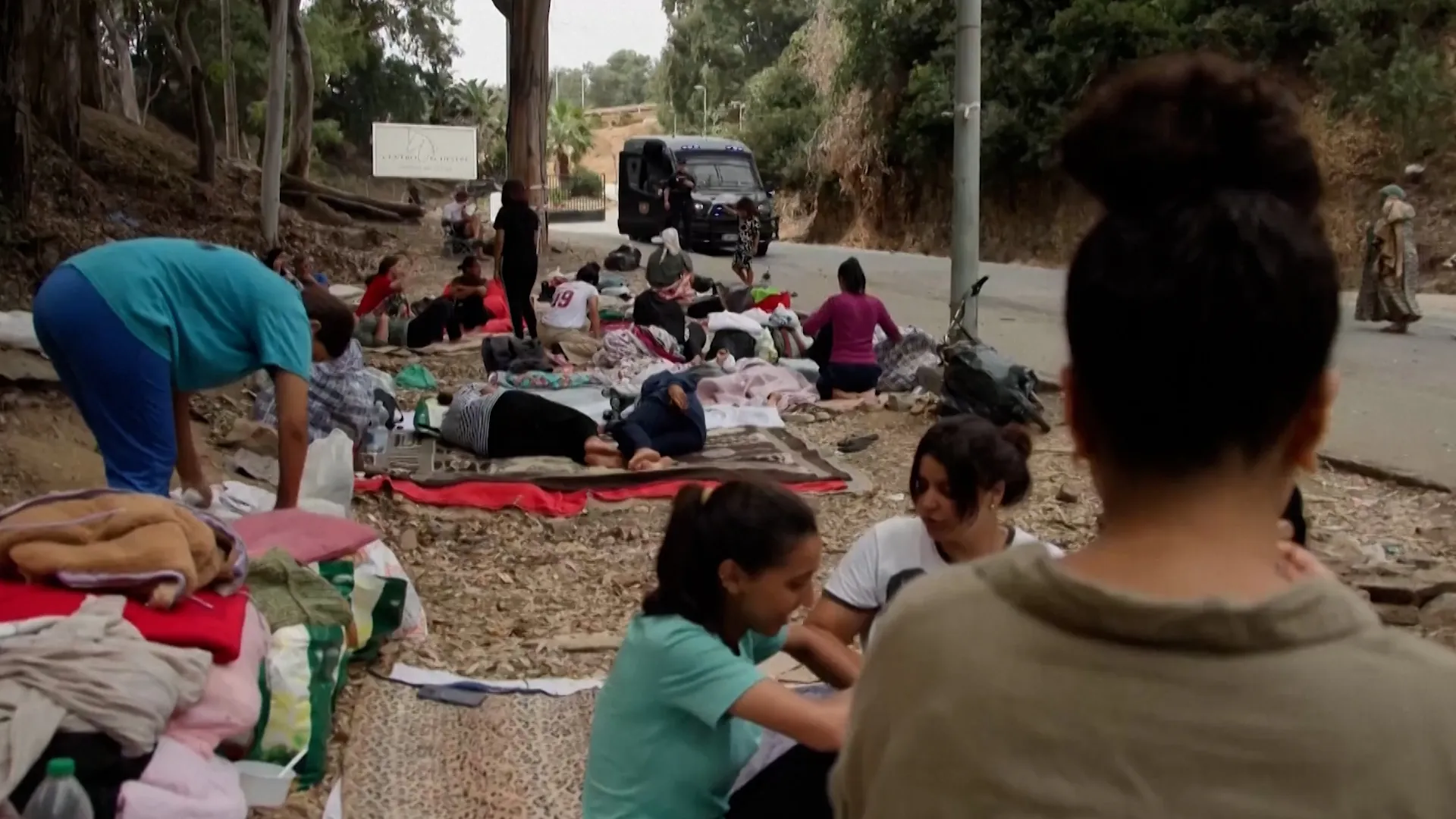
As the influx of migrants continues, many of those who have crossed the border have been unable to immediately access formal processing facilities. In response, some migrants have established makeshift camps in the areas surrounding official migrant registration centers, waiting for the opportunity to be formally documented by Spanish authorities.
It is within these informal settlements that women have spoken openly about the abuse they faced. Living in unstructured environments with limited security infrastructure, many of the women reported feeling exposed and unprotected during the waiting period before registration. Their testimonies paint a troubling picture of the conditions faced by the most vulnerable members of migrant groups during transit and border situations.
A Pattern of Vulnerability During Transit
The experiences described by women in Ceuta are not isolated incidents. Human rights organizations and migration experts have long warned that women and girls undertaking dangerous migration journeys face disproportionately high risks of gender-based violence, both during transit and upon arrival in border zones where oversight may be limited.
Ceuta, alongside the nearby enclave of Melilla, has historically been a focal point for migration from sub-Saharan Africa and North Africa into European territory. The enclaves share land borders with Morocco and serve as entry points to the European Union, making them frequent destinations for those seeking to reach the continent.
Women who have arrived in Ceuta have described their experiences of harassment and assault while waiting in temporary camps near migrant processing facilities, highlighting the urgent need for improved safety measures in these areas.
Pressure on Authorities to Respond
The reports have drawn renewed attention to how Spanish and local authorities manage the reception of migrants during periods of heightened border activity. Critics argue that when registration centers become overwhelmed, the informal spaces that emerge in their place become dangerous for those waiting to be processed, particularly women and unaccompanied minors.
Advocacy groups working in the region have called on officials to take concrete steps to improve conditions in temporary encampments, including the deployment of trained personnel equipped to handle reports of gender-based violence in a sensitive and effective manner. They also emphasize the importance of ensuring that survivors have access to medical care, psychological support, and legal assistance as quickly as possible.
Context of the Broader Migration Situation
The recent surge in crossings into Ceuta reflects ongoing pressures that drive migration across the Mediterranean and along Atlantic routes. Conflict, economic instability, and limited opportunities in countries of origin continue to push individuals and families to undertake perilous journeys in search of safety and better living conditions.
Spain has faced recurring episodes of sharp increases in irregular migration into its territories, often prompting diplomatic discussions with Morocco over border management cooperation. The relationship between the two countries regarding migration has been complex, with periods of closer collaboration followed by moments of tension.
- Ceuta is a Spanish autonomous city located on the northern tip of Africa, bordering Morocco.
- The enclave is one of two Spanish territories on the African continent, the other being Melilla.
- Both enclaves are part of the European Union and serve as significant points of irregular migration into Europe.
- Reports of gender-based violence in border zones have been documented by multiple international human rights organizations.
Calls for Systemic Change
Beyond immediate emergency responses, advocates stress that the circumstances leading to such vulnerability require structural solutions. These include faster processing times at reception centers to reduce the periods during which migrants live in informal and unsecured settings, as well as dedicated support services for women arriving after dangerous journeys.
The testimonies emerging from Ceuta serve as a reminder that behind the statistics of border crossings are real individuals, many of whom have already endured significant hardship before arriving. Ensuring their dignity and safety upon arrival is a responsibility that falls on both local and national authorities, as well as on the broader European Union framework governing migration and asylum.
As the situation in Ceuta continues to develop, attention remains focused on whether the appropriate resources and protective measures will be allocated to address not only the logistical challenges of processing a large number of arrivals, but also the serious human rights concerns that have emerged in recent days.