Palestinian Communities at Risk as Settler Attacks Intensify
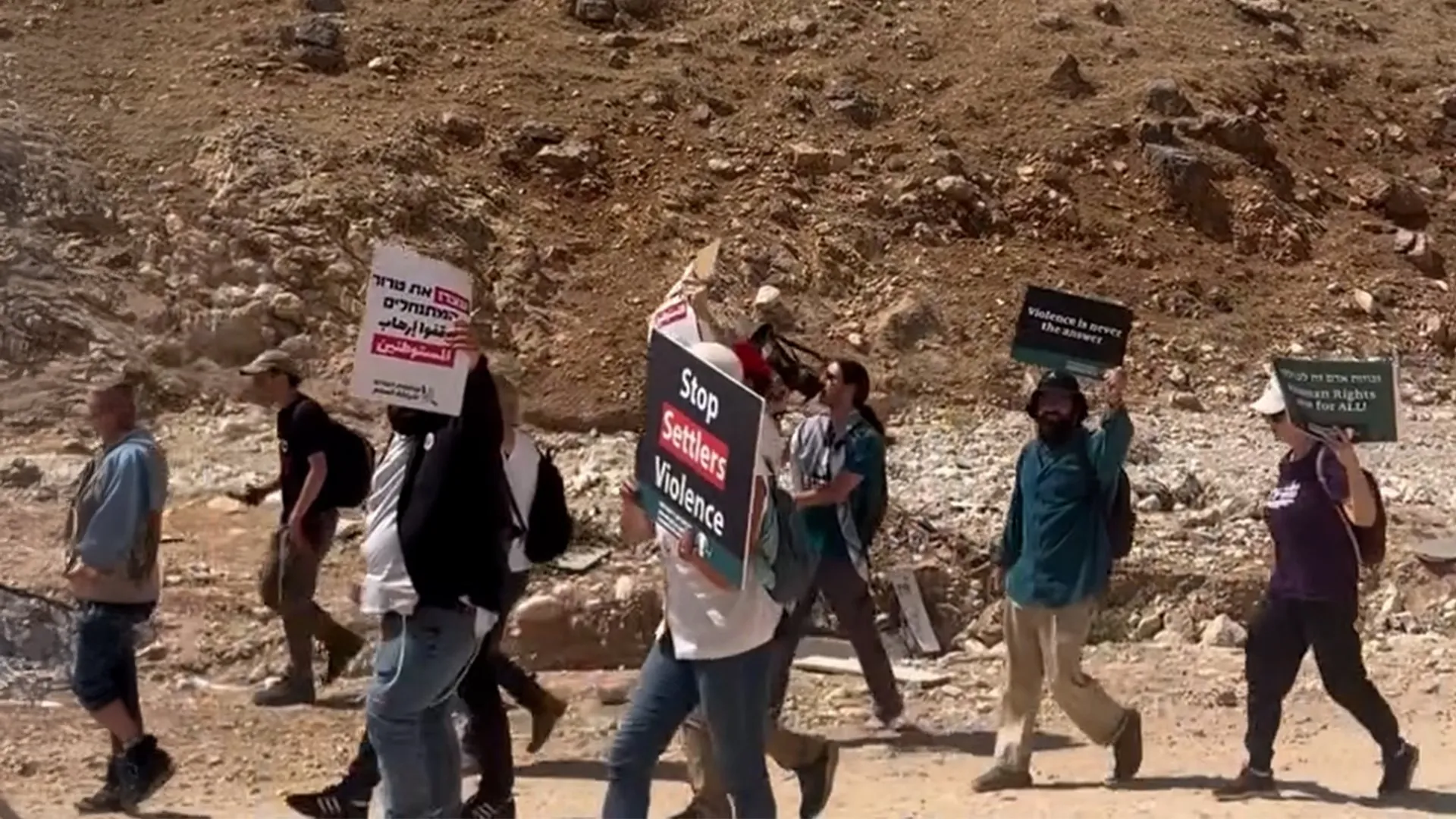
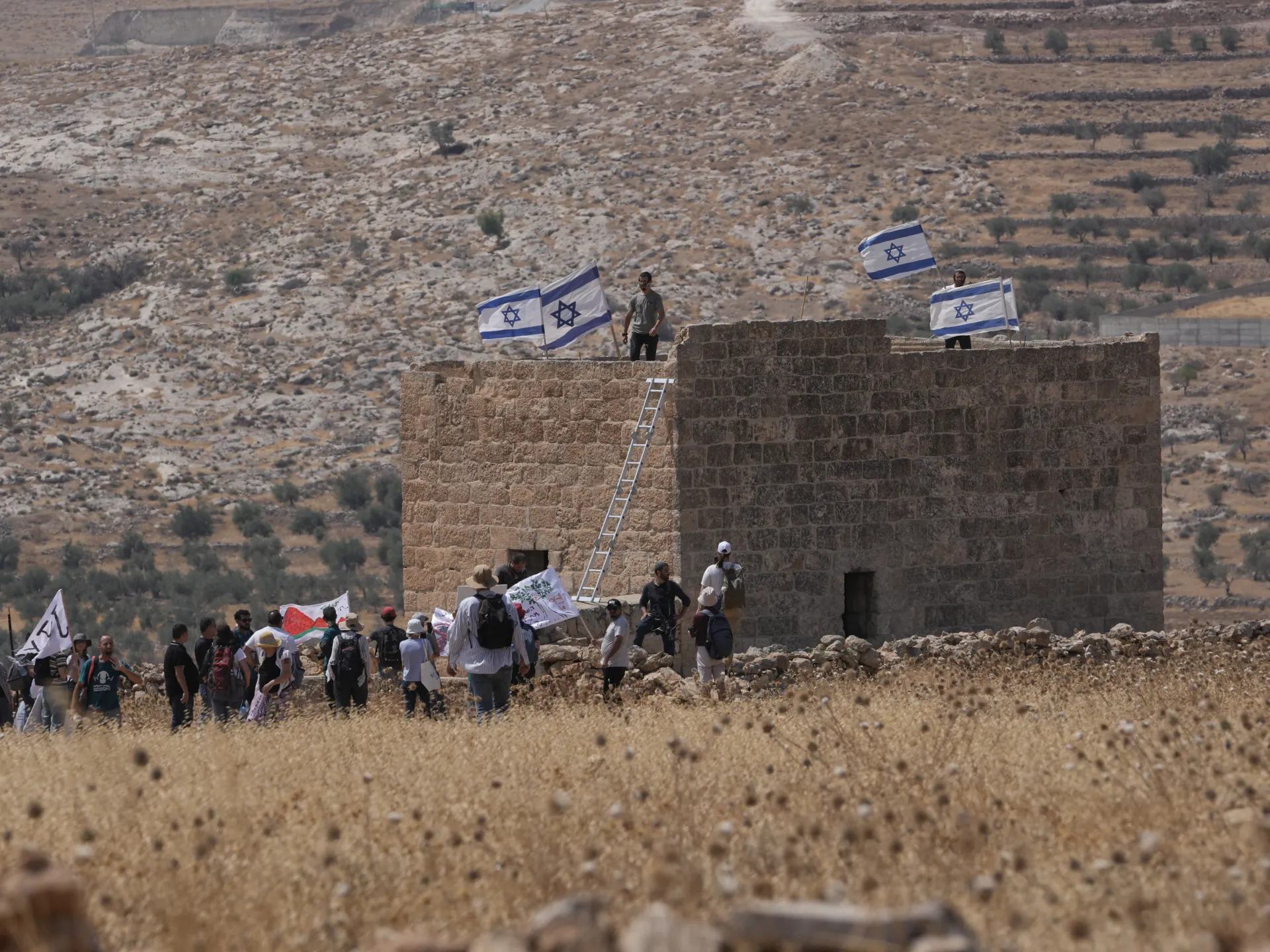
Dozens of Palestinian communities in the occupied West Bank are facing what a leading human rights organization describes as an existential threat, driven by escalating violence from Israeli settlers and the rapid expansion of Israeli settlements that are considered illegal under international law. The findings, published Thursday by Human Rights Watch (HRW), warn that a significant number of Palestinian localities risk being permanently erased.
The report details how increased settler attacks are fueling a broader pattern of forced displacement, pushing Palestinians from their homes and lands at a rate that researchers describe as alarming. HRW accuses Israeli authorities of actively enabling the violence by arming settlers, providing financial support, and granting them effective impunity from legal consequences.
State Accused of Arming and Funding Settler Activity
According to HRW's acting Israel and Palestine researcher, Sarah Sanbar, the Israeli government and settler communities appear to share a common objective. "The Israeli government and the settlers share the same goal of maximum land and minimum Palestinians, with the authorities not only failing to stop settler violence, but actively enabling it," Sanbar said.
She further stated that settlers are carrying out attacks — including shootings, expulsions, and seizure of Palestinian land — while the state allegedly provides the weapons, legal protection, and financial resources that make such actions possible.
Settler violence has been on a rising trajectory since the current Israeli government assumed office in December 2022. The report notes that attacks surged particularly during the first two months of the conflict involving the United States and Israel with Iran. Documented abuses include killings of civilians — among them children — assaults, sexual violence, arbitrary detention, arson, demolition of property, and theft.
Findings From the Field
HRW researchers examined settler attacks across seven Palestinian communities in the West Bank during April and May. The investigated communities included:
- Al-Mughayyir, Mikhmas, and Taybeh in Ramallah governorate
- Jalud and Qaryut in Nablus governorate
- Khirbet Hamsa and Muarrajat East in the Jordan Valley
In several documented cases, armed settlers carried out raids on Palestinian residents and their properties while Israeli military units were either present alongside them or nearby but chose not to intervene. HRW says this pattern of inaction or complicity has contributed directly to the forced displacement of Palestinian families.
Displacement Numbers Rising Sharply
Data from the United Nations Office for the Coordination of Humanitarian Affairs (OCHA) cited in the report reveals the scale of the crisis. Researchers found that more Palestinians were forcibly displaced by settler attacks, demolitions, and evictions in the first four months of the current year than in the entirety of 2025.
OCHA's findings indicate that 107 Palestinian communities, comprising approximately 5,900 individuals, have experienced complete or partial displacement as a direct result of settler violence since January 2023. Additionally, the Israeli military is reported to have expelled another 32,000 Palestinians from their homes in the occupied West Bank since January 2025, effectively emptying refugee camps in Jenin, Tulkarem, and Nur Shams.
The cumulative effect of these attacks, combined with what HRW describes as a near-total absence of state protection for Palestinian civilians, has created conditions that leave many residents feeling they have no viable option other than to abandon their homes and communities.
Calls for International Action and Sanctions
In response to its findings, Human Rights Watch has issued a series of recommendations aimed at the international community. The organization is calling for:
- Targeted sanctions against individuals and entities implicated in ongoing abuses
- The suspension of weapons transfers to Israel
- A trade ban on goods originating from illegal settlements
- Consideration of suspending preferential trade agreements with Israel
Sanbar directed pointed criticism at Israel's international allies, arguing that diplomatic and financial support from those governments has allowed the situation to persist unchecked. "The impunity Israeli authorities accord settlers stems directly from the free pass Israel's allies and donors have granted it," she said. "Israel and the governments that give it a blank check share responsibility and should be held to account."
The report underscores growing international concern over conditions in the occupied West Bank, where rights organizations have repeatedly documented a deteriorating humanitarian situation. Whether the HRW findings will prompt concrete action from governments that maintain close ties with Israel remains to be seen.