El-Sayed Rejects Vance's Criticism as Political Deflection
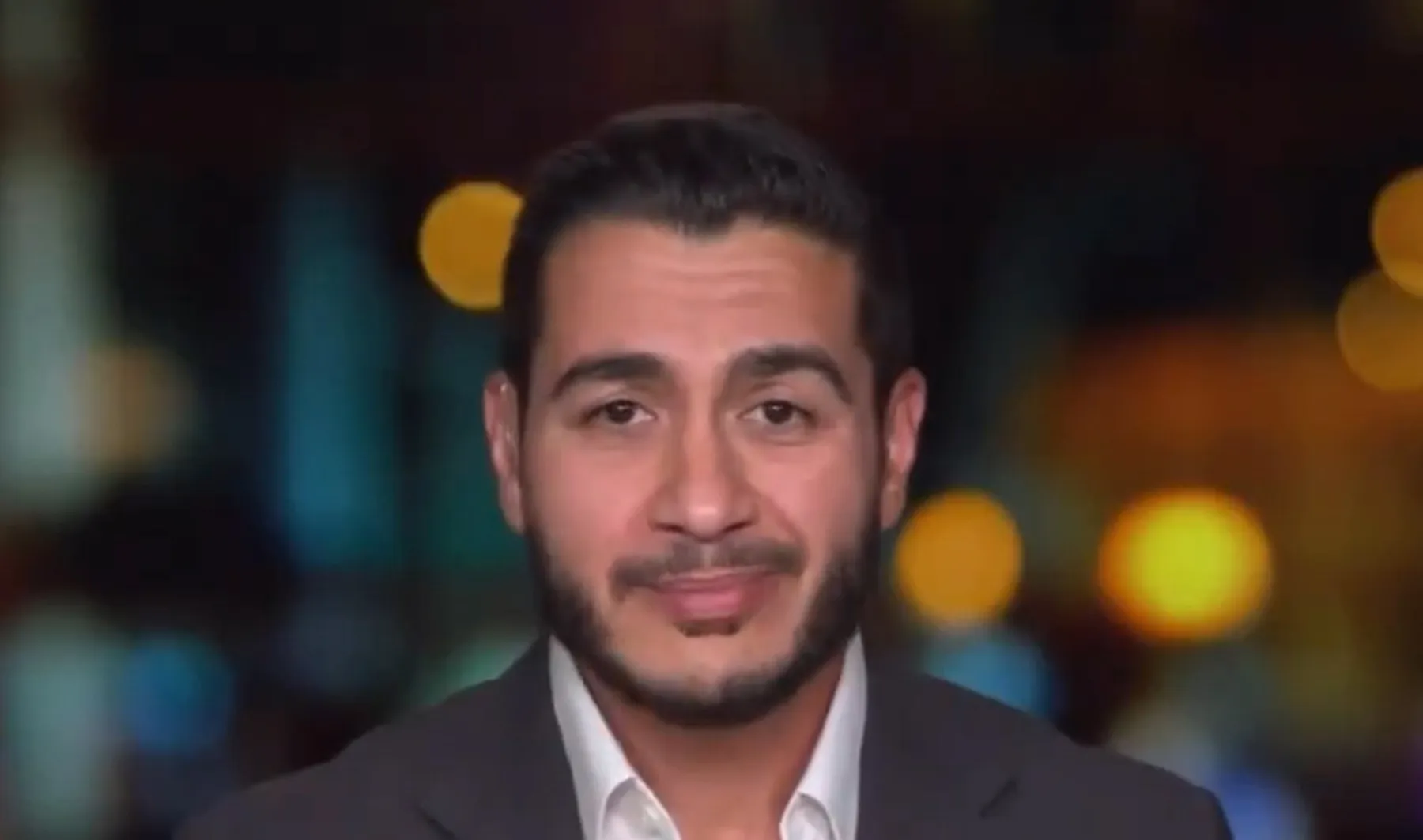
Abdul El-Sayed, the Democratic nominee for a United States Senate seat representing Michigan, has responded forcefully to remarks made by Vice President JD Vance, calling out what he described as an attempt to scapegoat his identity and religious background for broader political problems facing the current administration.
In a direct and pointed rebuttal that quickly gained attention, El-Sayed made his position clear: "Leave my name and background out of it." He argued that neither his Muslim faith nor his personal background have any bearing on the policy challenges and controversies surrounding the Trump administration.
The Nature of the Dispute
The exchange between El-Sayed and Vance reflects a broader tension that has emerged in American political discourse, where the backgrounds and identities of candidates from minority communities have increasingly become subjects of public debate. El-Sayed, a physician and former public health official who previously ran for Governor of Michigan, is one of a growing number of Muslim Americans seeking elected office at the federal level.
His Senate nomination has placed him in the national spotlight, and his willingness to directly confront the sitting Vice President signals both his political confidence and the charged atmosphere surrounding the 2026 midterm election cycle.
A Pattern of Identity-Based Political Attacks
Observers and political analysts have noted that questioning or highlighting the ethnic or religious identities of political opponents has become a recurring feature of modern American campaign strategy. Critics of such approaches argue that they serve to distract voters from substantive policy conversations, while proponents often frame their comments as matters of legitimate public interest regarding the values and affiliations of candidates seeking public office.
El-Sayed's rebuttal challenges the premise that his identity is politically relevant in the context of criticizing the Trump administration's record. By redirecting the conversation, he sought to place the focus squarely back on governance and policy outcomes rather than personal background.
Who Is Abdul El-Sayed?
El-Sayed is a well-known figure in Michigan Democratic politics. He previously served as the Director of the Detroit Health Department and made a competitive run for the Michigan governorship in 2018, where he ultimately lost the Democratic primary. He has since remained active in progressive political circles and public health advocacy, building a platform that blends policy expertise with grassroots appeal.
His background as a physician and public health expert has shaped much of his political messaging, particularly on issues related to healthcare access, environmental justice, and economic equity. Michigan, a key battleground state with a significant Arab American and Muslim population, represents fertile political ground for a candidate with El-Sayed's profile.
The Broader Political Context
The 2026 midterm elections are shaping up to be a consequential moment in American politics, with control of the Senate potentially hanging in the balance. Michigan is among the states being closely watched, and the Senate race there has attracted considerable national attention.
Vice President Vance has been a prominent voice for the Trump administration and has not shied away from confrontational rhetoric on the campaign trail and in public statements. His comments about El-Sayed appear to be part of a broader effort to shape the narrative around Democratic candidates in competitive states.
El-Sayed's decision to respond publicly and assertively rather than ignore the remarks suggests a campaign strategy built around direct engagement and refusing to allow such characterizations to go unchallenged.
Reactions and Implications
The exchange has drawn reactions from various corners of the political landscape. Supporters of El-Sayed praised his response as a necessary stand against what they view as discriminatory political tactics. Others have framed Vance's original comments differently, arguing they were within the bounds of legitimate political criticism.
Regardless of interpretation, the back-and-forth between a sitting Vice President and a Senate nominee highlights how identity, religion, and cultural background continue to intersect with electoral politics in the United States in complex and often contentious ways.
- El-Sayed is a physician and former Detroit Health Department director
- He previously ran for Michigan Governor in 2018
- Michigan is considered a key battleground state in the 2026 midterms
- The dispute centers on whether El-Sayed's background is politically relevant
As the campaign season continues, the Michigan Senate race is expected to remain a closely watched contest, with both national political dynamics and local issues playing a significant role in shaping the outcome.