Widespread Drought Grips England
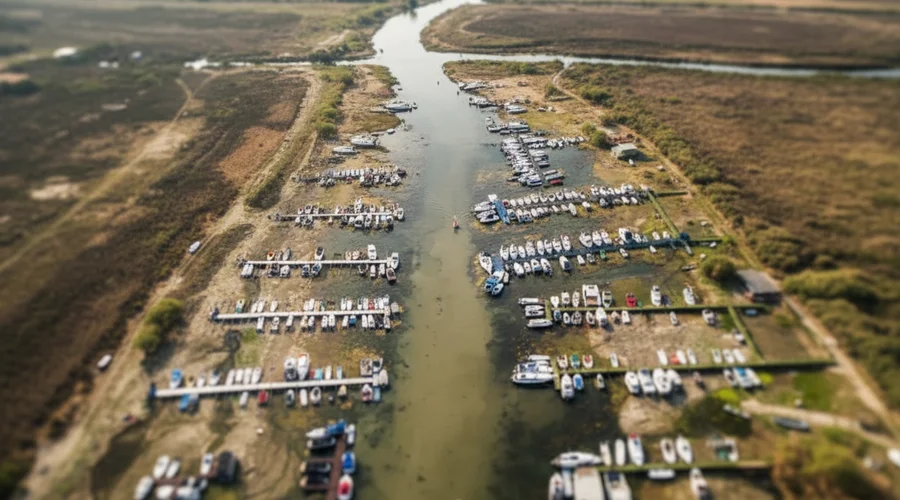
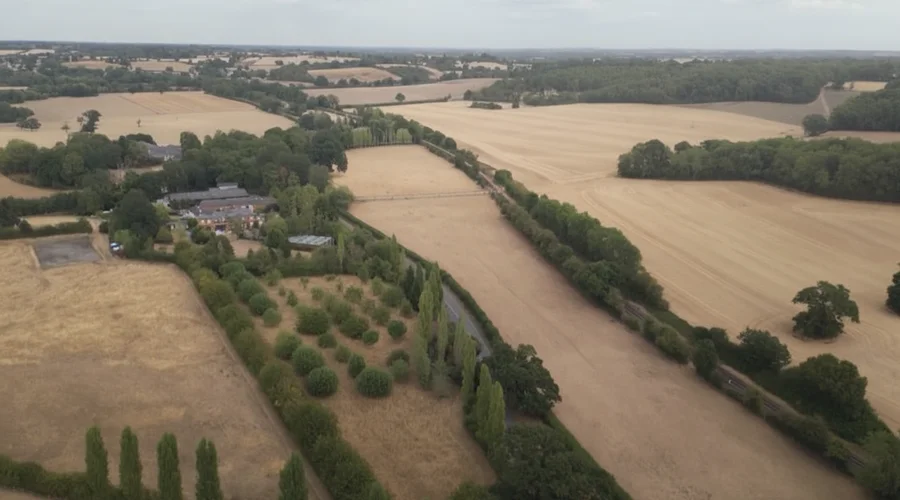
England is currently experiencing one of its most severe droughts in recent memory, a situation dramatically captured in new drone video. The aerial perspectives showcase vast expanses of agricultural land and pastures, now parched and brown, a stark contrast to their usual verdant appearance. This environmental shift comes after the nation recorded its driest July on record, contributing to a summer characterized by significantly reduced rainfall.
The visual evidence from above underscores the profound impact of the prolonged dry spell on the English countryside. Fields that typically support livestock and crop cultivation are now desiccated, reflecting the acute water scarcity affecting various regions. The imagery provides a compelling illustration of how climate patterns are directly influencing the landscape and agricultural sector.
Official Declaration and Geographical Impact
In response to the deteriorating conditions, official bodies have formally declared a drought across a substantial portion of England. This declaration now encompasses over two-thirds of the country, signifying the widespread nature of the water deficit. Such declarations are not merely symbolic; they trigger specific actions by water companies and government agencies to manage water resources and mitigate the effects of the drought.
The geographical spread of the drought means that numerous communities and industries, particularly farming, are grappling with the implications. Farmers face considerable challenges in maintaining their crops and livestock, with many pastures unable to provide adequate grazing. The lack of natural forage necessitates alternative feeding strategies, often at increased costs, placing additional strain on agricultural businesses already operating on tight margins.
Ecological and Economic Repercussions
Beyond agriculture, the drought poses significant ecological threats. Low river levels and depleted reservoirs can harm aquatic ecosystems, impacting fish populations and other wildlife dependent on these water sources. The long-term effects on biodiversity could be substantial if dry conditions persist.
Economically, the drought's reach extends beyond the immediate agricultural sector. Food prices could be influenced by reduced yields and increased production costs, potentially affecting consumers. Industries reliant on consistent water supplies, such as certain manufacturing processes or tourism, may also face operational challenges. The ripple effect of such environmental stress can be felt throughout the national economy.
Historical Context and Future Outlook
While droughts are not unprecedented in England, the current situation is notable for its intensity and timing. The record-breaking dry July serves as a critical marker, highlighting the severity of this particular period. Scientists and climate experts frequently point to such events as indicators of broader climate change trends, suggesting that extreme weather phenomena may become more frequent and intense in the future.
Understanding the historical context of droughts helps in developing more resilient strategies for the future. Past experiences inform current water management policies, including restrictions on water usage, efforts to reduce leakage, and investments in water infrastructure. However, the scale of the current drought suggests that existing measures may need to be re-evaluated and potentially augmented to cope with evolving climatic conditions.
Community Response and Water Conservation
In areas affected by the drought, communities are being urged to conserve water. Water companies often implement temporary use bans, commonly known as hosepipe bans, to reduce non-essential water consumption. These measures, while sometimes inconvenient, are crucial for preserving dwindling water reserves for essential uses and to protect public water supplies.
Public awareness campaigns play a vital role in encouraging responsible water use, from simple actions like taking shorter showers to more significant changes in gardening practices. The collective effort of individuals and businesses in conserving water can have a measurable impact on mitigating the effects of prolonged dry spells. As England navigates this challenging period, the focus remains on effective water management and adaptation strategies to ensure long-term water security.