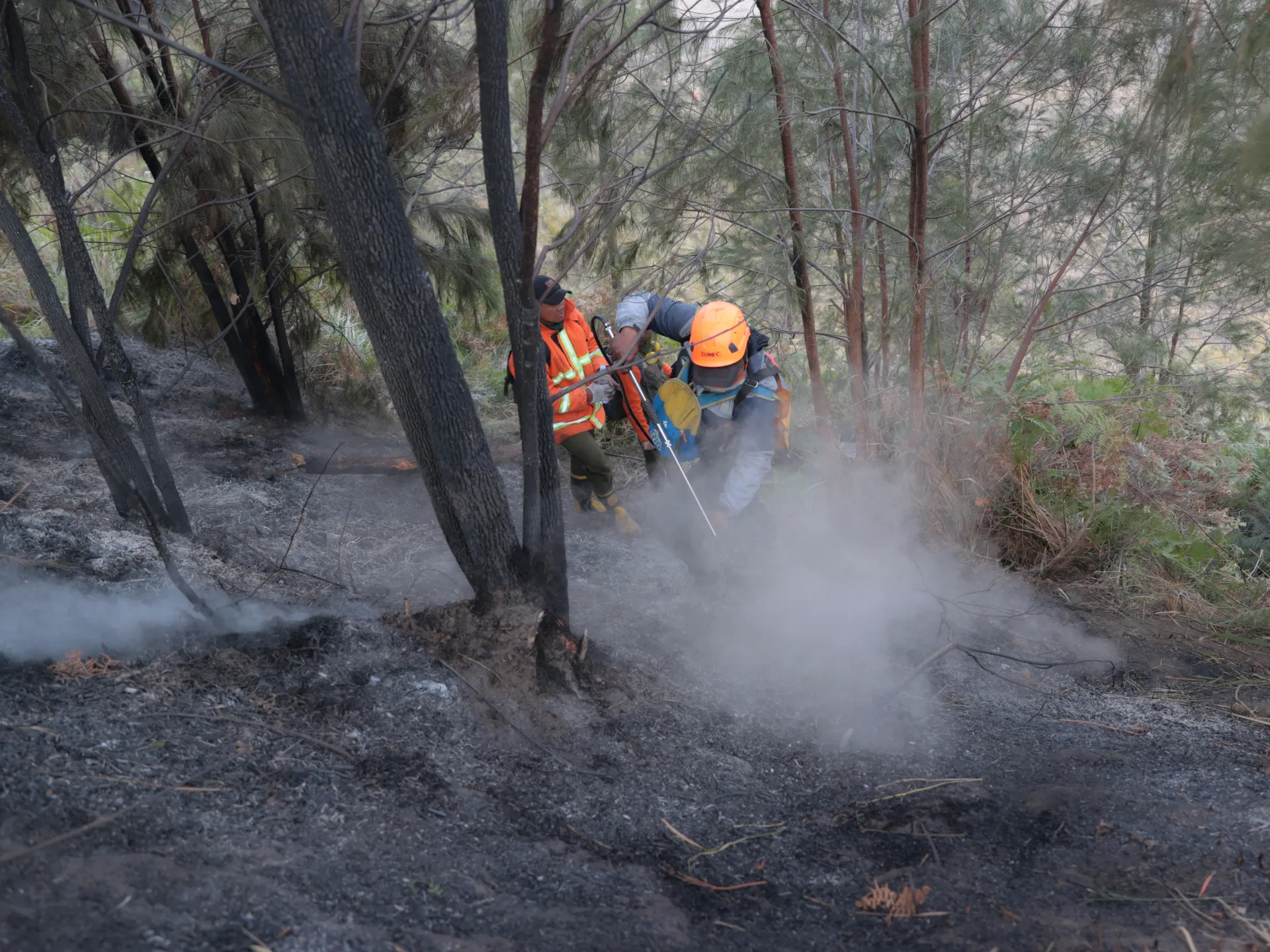
Military Reinforcements Mobilized as Borneo Fires Spread
The Indonesian government has announced the deployment of an additional 1,500 soldiers to the island of Borneo in response to rapidly spreading wildfires that have already consumed more than 200,000 hectares of land — an area roughly three times the size of the nation's capital, Jakarta. The fires have produced thick layers of smog, forcing local authorities to urge residents to stay indoors and wear protective masks.
The decision to increase military presence came during a regional visit by President Prabowo Subianto, who instructed officials to scale up the response effort. Indonesian Cabinet Secretary Teddy Indra Wijaya confirmed the move in an official statement, noting that three full battalions of the Indonesian National Armed Forces — approximately 1,500 personnel in total — would be dispatched from outside the Kalimantan region immediately.
"An additional three Indonesia National Armed Forces battalions, or around 1,500 personnel, will be brought in from outside Kalimantan starting today," Teddy said. Six helicopters are also being deployed to support waterbombing operations across the affected zones.
President Calls for Immediate Containment Measures
Speaking to reporters in Palangkaraya, the provincial capital of Central Kalimantan, President Prabowo emphasized the urgency of halting the fire's progression. "We're taking mitigation measures. The important thing is to immediately stop the spread of fire spots," he said, adding that the government is actively monitoring the situation and mobilizing all available resources.
Kalimantan refers to the Indonesian portion of Borneo, an island shared among Indonesia, Brunei, and Malaysia. The region is home to some of the world's most biodiverse rainforests, as well as expansive agricultural plantations that are particularly vulnerable to fire during dry seasons.
El Niño and Climate Change Compound the Crisis
Officials attribute this year's severe fire season primarily to El Niño, a naturally occurring climate phenomenon characterized by shifts in global wind patterns, air pressure, and rainfall distribution. In Indonesia, El Niño typically results in prolonged drought conditions, creating an environment highly susceptible to large-scale wildfires.
The fires that have ignited between January and July of this year have already surpassed the damage recorded during previous El Niño events in 2019 and 2023 in terms of total area burned, though they remain below the scale of destruction seen during the particularly intense El Niño year of 2015.
Scientists and climate experts note that while El Niño is a natural cycle, its effects are being increasingly amplified by climate change. A warmer ocean and atmosphere provide more energy and moisture, which can intensify extreme weather events, including droughts and the fire conditions they produce.
Smoke Reaches Neighboring Malaysia
The fires have had transboundary consequences, with smoke drifting across the border into Malaysian Borneo. Six areas within the Malaysian state of Sarawak recorded air quality levels classified as "unhealthy," according to monitoring data, raising concerns about public health impacts beyond Indonesia's borders.
Within Indonesian Borneo, local governments have issued public health advisories recommending that residents wear face masks when outdoors and limit their time outside as much as possible. Schools in some affected areas have also been reported to have suspended operations due to the poor air conditions created by the ongoing fires.
A Recurring Environmental Challenge
Borneo's annual fire season has long been a source of environmental and regional concern. The island's combination of peat-rich soil, tropical forest, and agricultural land — including palm oil plantations — makes it particularly prone to devastating fires during dry periods. Peat fires, which can burn underground for extended periods, are especially difficult to extinguish and contribute significantly to greenhouse gas emissions.
Indonesia has faced international scrutiny over the years regarding land-clearing practices that can contribute to fire outbreaks. The government, for its part, has repeatedly stated its commitment to fire prevention and suppression, including through satellite monitoring of fire hotspots and coordination with regional agencies.
As the current fire season continues to unfold, the scale of the response — involving thousands of military personnel, aerial resources, and government coordination at the highest levels — reflects the severity of the situation on the ground. Whether the reinforced effort will be sufficient to bring the fires under control before conditions worsen remains to be seen, particularly as El Niño-related dry weather is expected to persist in the coming weeks.