
Earthquake Shakes Tokyo and Surrounding Areas
A moderate but significant earthquake hit eastern Japan on Sunday, sending tremors through Tokyo and nearby regions in the early hours of the morning. The quake, measured at magnitude 5.9, was strong enough to cause injuries and disrupt daily life across a wide area, though authorities moved quickly to assess the situation and reassure the public.
At least 37 people were reported injured following the seismic event. The nature and severity of the injuries have not been fully detailed, but emergency services were deployed to respond to those affected. Local hospitals and medical teams were placed on alert as reports of casualties came in from across the impacted zones.
No Tsunami Warning Issued
One of the primary concerns following any earthquake in Japan — a country situated along one of the world's most seismically active regions — is the potential for a tsunami. However, authorities confirmed that no tsunami threat had been identified following this particular event, providing some reassurance to coastal communities that might otherwise have needed to evacuate.
Japan's meteorological and disaster management agencies monitored the situation closely in the aftermath of the quake. Officials communicated updates to the public as assessments were carried out across the affected areas, emphasizing that while the earthquake caused notable disruption, the immediate risk of further large-scale natural disaster appeared limited.
Transport Services Face Disruptions
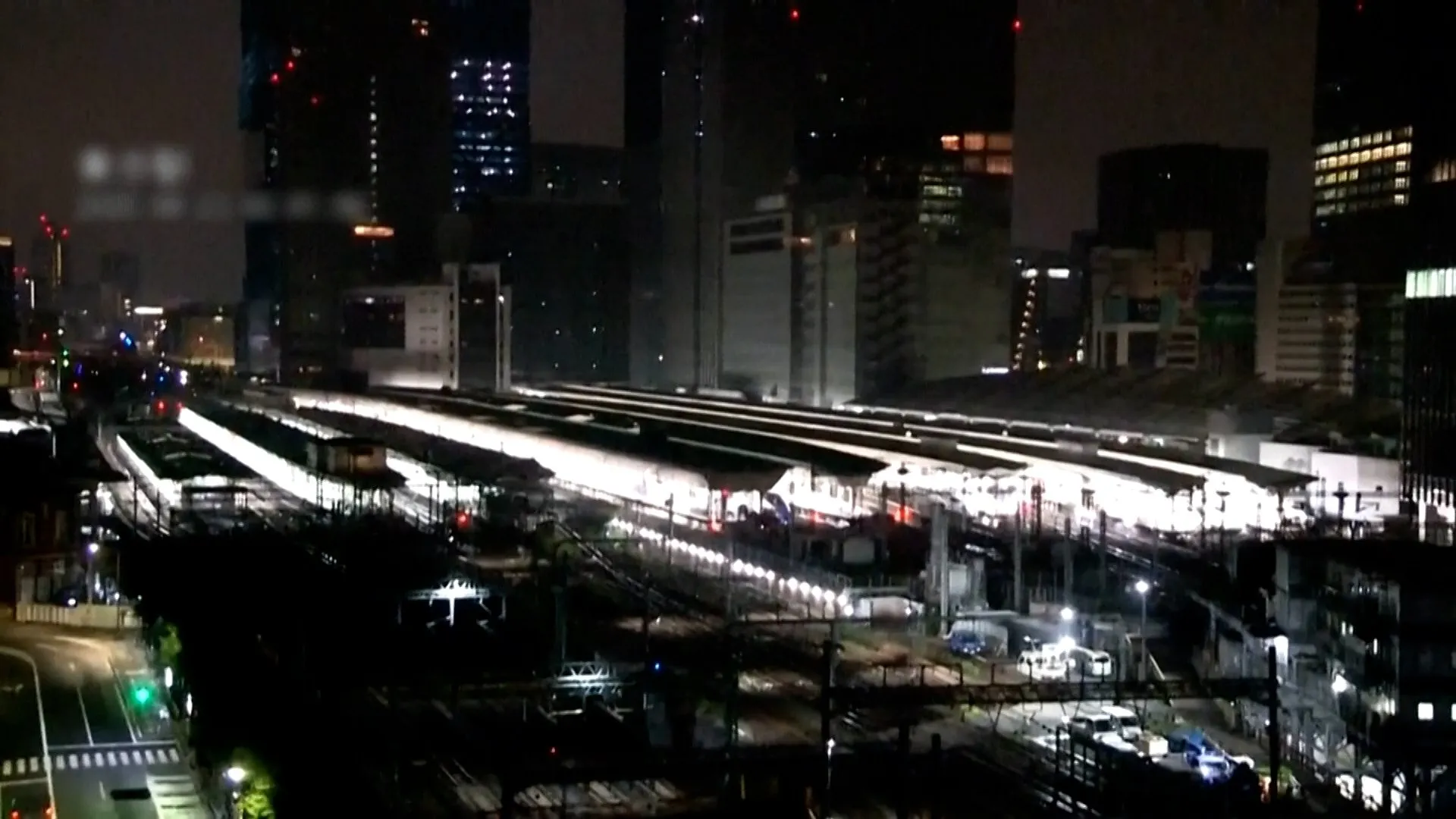
The earthquake's impact was felt beyond physical injuries, with transportation infrastructure experiencing significant disruptions in the wake of the tremors. Train services, which are a critical part of daily commuting life in the Tokyo metropolitan area and surrounding regions, faced delays and temporary suspensions as operators conducted safety inspections on tracks and facilities.
Rail operators in Japan follow strict protocols after seismic events, halting services until engineers can verify that infrastructure has not been compromised. This precautionary approach, while sometimes causing considerable inconvenience, is designed to prevent accidents and ensure passenger safety. Commuters and travelers were advised to check for updates and expect delays as services worked toward resuming normal operations.
Road networks and other forms of transport were also affected to varying degrees, with some routes experiencing congestion or temporary closures as authorities assessed potential damage and cleared any hazards resulting from the quake.
Japan's History With Seismic Activity
Japan is no stranger to earthquakes. The island nation sits at the convergence of several tectonic plates, making it one of the most earthquake-prone countries in the world. Thousands of tremors — many too small to be felt — occur throughout the country each year. Major earthquakes have historically caused widespread devastation, prompting Japan to invest heavily in earthquake-resistant infrastructure and sophisticated early warning systems.
The country's emergency response framework is among the most developed globally, with residents regularly participating in disaster preparedness drills and buildings constructed to meet some of the most stringent seismic standards in the world. These measures have helped reduce casualties in many instances, though earthquakes of significant magnitude still pose serious risks.
Community Response and Recovery Efforts
In the hours following Sunday's earthquake, local governments and emergency services coordinated efforts to assess damage, support those who were injured, and restore normalcy to affected communities. Disaster response teams were mobilized to check on vulnerable populations, including the elderly, and to inspect buildings and infrastructure for structural damage.
Residents in Tokyo and surrounding areas reported objects falling from shelves, cracks appearing in walls, and general disruption to their routines. Social media platforms saw a surge in posts from people sharing their experiences of the tremor, with many expressing relief that the event had not resulted in more serious harm.
Authorities continued to urge the public to remain vigilant, as aftershocks are common following earthquakes and can sometimes cause additional damage or injuries. Residents were advised to secure heavy furniture, prepare emergency kits, and stay informed through official channels.
Ongoing Monitoring
Seismologists and government agencies pledged to continue monitoring seismic activity in the region in the days following the earthquake. While the immediate threat appeared to have subsided, experts noted the importance of remaining prepared, given Japan's persistent vulnerability to further seismic events.
The full extent of property damage and infrastructure impact was still being evaluated as of Sunday evening, with officials expected to provide more comprehensive updates in the coming days as inspections were completed and data was compiled.