United Arab Emirates Halts All Trade with Iran
The United Arab Emirates (UAE) officially announced an indefinite trade embargo against Iran, effective Wednesday, following accusations that Iranian forces launched two ballistic missiles at its territory. Iran, however, vehemently denies these claims, labeling the reported incident as a “false flag operation” orchestrated by Israel and the United States.
Analysts are highlighting the substantial implications of this embargo, emphasizing Iran's considerable dependence on the UAE for crucial imports and access to global financial markets. Mark Kimmitt, a retired US general and former assistant secretary of state, suggested to Al Jazeera that the UAE's embargo might carry even greater weight than existing US sanctions and the American naval blockade of Iranian ports.
This development unfolds shortly after a memorandum of understanding (MoU) between the US and Iran expired on Monday, with little prospect of renewal.
Details of the UAE's Announcement
In an official statement, the UAE’s Ministry of Foreign Affairs confirmed the immediate cessation of “All trade, commercial exchanges and financial transactions with Iran until further notice.” The ministry justified this decision by citing “escalations that undermine peace and security in the region.”
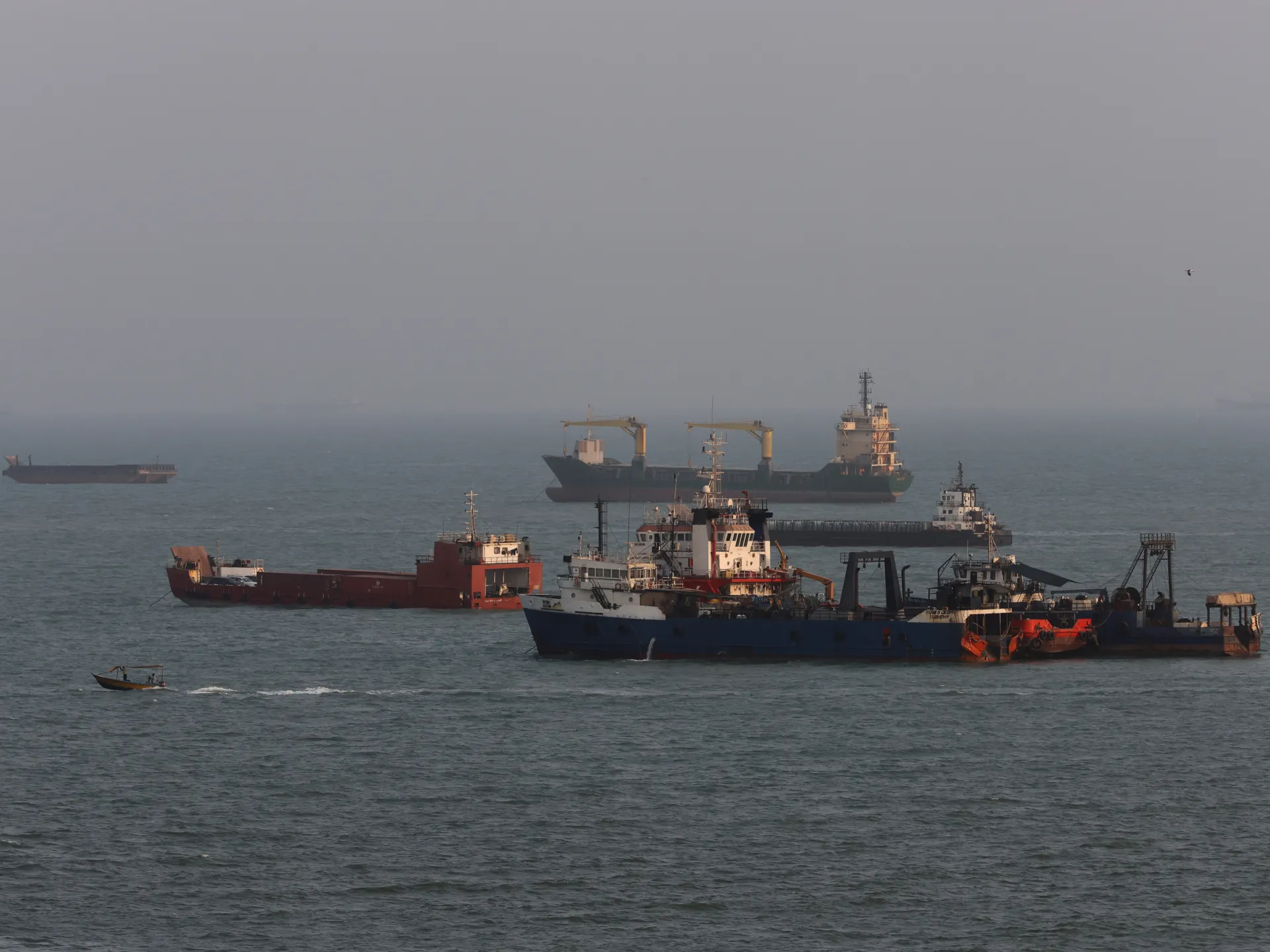
Preceding this announcement, the UAE’s Ministry of Defence reported that its air defense systems had detected two ballistic missiles, purportedly launched from Iran. One missile reportedly landed in the country’s territorial waters, while the other fell outside. A subsequent statement from the ministry asserted that the missiles were “targeting maritime traffic” and vowed to “resolutely confront any attempt to undermine the security of the nation or maritime navigation in the region.”
Conversely, Esmaeil Baghaei, spokesperson for the Iranian Ministry of Foreign Affairs, dismissed the accusations as “baseless,” suggesting they were part of a “false flag operation” amidst the broader US-Israel conflict with Iran.
Historical Context of Iranian Strikes on the UAE
In the initial six weeks of a conflict that began on February 28 with US-Israeli strikes on Tehran, Iran responded with drone and missile attacks targeting US military assets and infrastructure in several neighboring Gulf nations. The UAE was notably impacted more frequently than other countries.
Overall, Iran launched over 530 ballistic missiles, 26 cruise missiles, and more than 2,200 drones towards targets in the UAE, which it characterized as US assets. However, the UAE maintains that civilian sites were also struck, either directly by missiles or by debris from missiles intercepted by US-supplied THAAD and Patriot defense systems.
Significant incidents include a strike on Dubai’s Jebel Ali port, the world's largest constructed deep-water harbor, on March 1. The following day, a fire erupted at the Musaffah fuel terminal in southwest Abu Dhabi after a drone strike. Subsequently, falling debris from a drone interception caused a fire at the Fujairah oil terminal along the eastern coast. No injuries were reported in these incidents.
On March 17, oil loading at the port of Fujairah was partially suspended due to an Iranian drone attack that caused a fire at the export terminal, while operations at the Shah gasfield remained halted after an earlier assault. Fujairah, situated just outside the Strait of Hormuz, is a critical outlet for over one million barrels per day of Murban crude.
Another key target was the Barakah Nuclear Energy Plant, near which a fire broke out following a drone strike on May 18. In total, Iranian strikes have reportedly resulted in 15 fatalities in the UAE, including two military personnel, one civilian contractor, and 12 civilians, alongside 246 injuries. The most recent missile attack on the UAE is the first since May, occurring days after Abu Dhabi accused Tehran of attacking two Abu Dhabi National Oil Company (ADNOC) vessels in the Strait of Hormuz, an accusation Iran denies.
Economic Ties Between the UAE and Iran
Official trade data from the Observatory of Economic Complexity (OEC) indicates that goods trade between the UAE and Iran reached $6.2 billion in 2023. UAE exports to Iran were valued at approximately $5.8 billion, with imports from Iran amounting to about $450 million.
In 2023, Iran’s imports from the UAE included $2.81 billion worth of telephones, along with computers, tobacco, and nuts. Iran’s exports to the UAE that year primarily consisted of nuts, fruits, spices, crustaceans, and building stone. In May 2024, both nations held the first session of their Joint Economic Committee summit in Abu Dhabi, agreeing to enhance cooperation in transport, logistics, agriculture, renewable energy, and tourism.
Beyond formal trade, the UAE has historically served as a crucial informal trade conduit for Iran, enabling it to circumvent international economic sanctions. When Western exporters ceased direct sales to Iran, merchants in Dubai would procure and then re-export consumer goods, industrial equipment, and food into Iran. Iran is among the most heavily sanctioned countries globally, having faced US sanctions for decades. These sanctions have contributed to a decline in Iran’s GDP per capita, from $8,000 in 2012 to $5,000 in 2024. Last week, US Treasury Secretary Scott Bessent announced plans to intensify economic pressure on Iran, partly through an ongoing US naval blockade of Iranian ports, hinting at unprecedented economic isolation measures.
Impact of the UAE Embargo on Iran's Economy
Kimmitt suggests that the UAE’s trade embargo could inflict more significant damage on Iran than any previous US sanctions. He noted that Dubai has quietly emerged as Tehran’s most vital trading partner, surpassing China and Turkey, and supplying approximately one-third of Iran’s annual imports. The UAE had previously suspended direct cargo shipping between the two nations in early March, shortly after the conflict began, resuming trade only in late June via Dubai’s Jebel Ali Port.
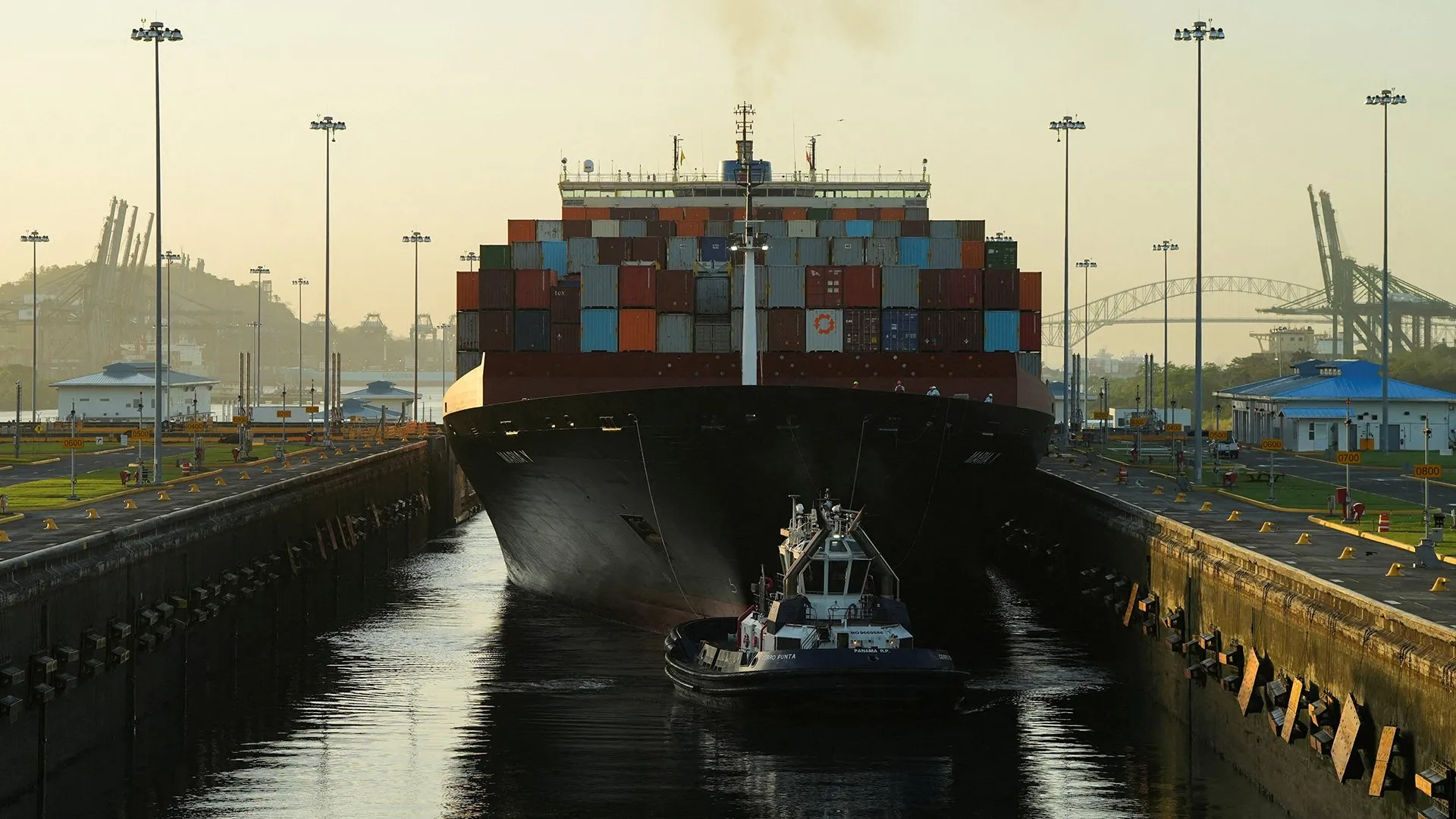
Jebel Ali Port, at the northern end of Dubai, is the world's largest constructed deep-water harbor and a critical hub for cargo from the Indian subcontinent, Africa, and Asia. Operated by Dubai-based DP World, the port features four expansive container terminals capable of accommodating some of the largest ships globally. It is not only a crucial global cargo hub but also a lifeline for Dubai and surrounding emirates, serving as the entry point for essential imports. It has also long been a central hub through which Iran conducted trade via the UAE, and was itself hit by Iranian missiles early in the conflict. In July, an explosion at the port caused a fire after the US resumed strikes on Iran despite the MoU being in place.
Kimmitt underscored the profound importance of both financial and goods trade between Dubai and Iran. This reliance extends beyond tangible goods, given Dubai’s status as a global financial hub, which Kimmitt noted has long provided Iran with a discreet mechanism to move money around international sanctions, effectively cutting off a long-established route for Tehran. Kimmitt further suggested that the UAE’s action is so significant that Tehran could perceive it as “bordering on an act of war,” drawing parallels to the near-total embargo imposed by the US on Japan after World War II.