Typhoon Narra Strikes with Devastating Force
A powerful typhoon has swept across northern Vietnam and sections of southern China, unleashing torrential rainfall and severe flooding that has left a trail of destruction in its wake. The storm, known as Typhoon Narra, made its impact felt across a broad region, overwhelming communities and infrastructure as it moved through the area in late August 2026.
At least one person has been confirmed dead in northern Vietnam as a direct result of the storm, while thousands more have been forced to abandon their homes due to rapidly rising floodwaters. Authorities in both countries have been working to respond to the unfolding emergency as conditions continued to deteriorate in affected areas.
Widespread Displacement and Humanitarian Concerns
The human toll of Typhoon Narra has become increasingly apparent as rescue and relief operations got underway. Thousands of residents have been uprooted from their communities, with local authorities mobilizing evacuation efforts to move vulnerable populations to safer ground ahead of and during the storm's passage.
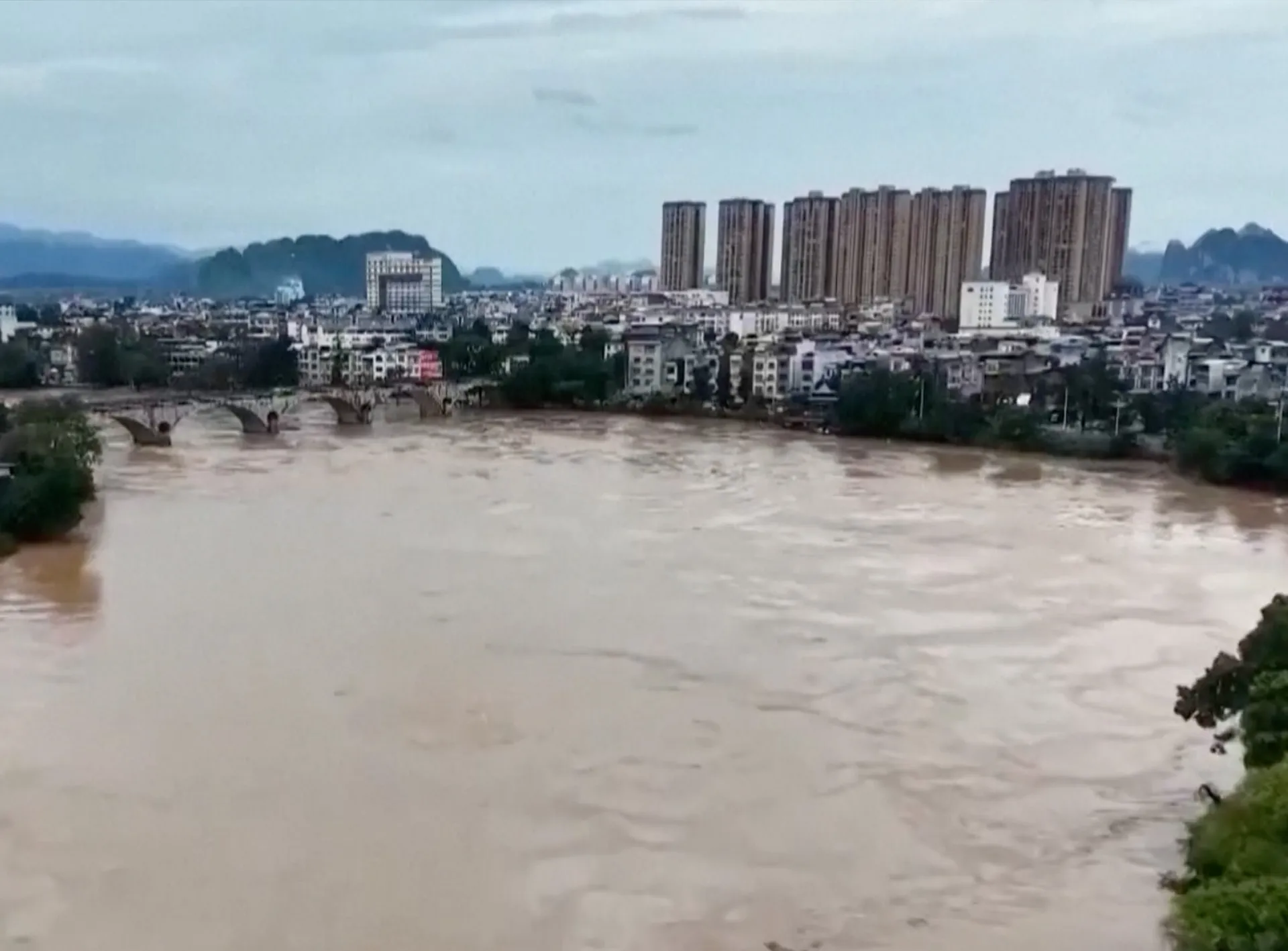
Floodwaters inundated low-lying areas, disrupting daily life and damaging property across multiple provinces. Roads became impassable in several regions, complicating relief efforts and cutting off access to some communities. Emergency services in both Vietnam and China have been placed on high alert as the extent of the destruction continues to be assessed.
Local governments have urged residents in at-risk zones to follow evacuation orders and remain cautious, particularly in areas prone to flash flooding and landslides, which are common secondary hazards during major typhoon events in the region.
Impact Across Northern Vietnam
Northern Vietnam bore the brunt of Typhoon Narra's fury, with heavy rainfall battering provinces across the region. The storm's arrival triggered significant flooding in both urban and rural areas, with reports of submerged streets, damaged homes, and disrupted agricultural land emerging from multiple localities.
Vietnamese authorities had issued warnings ahead of the storm's landfall, but the scale of the flooding still caught many communities off guard. Emergency responders were deployed to assist those stranded by rising waters, while relief supplies were distributed to displaced families sheltering in temporary accommodations.
The loss of life recorded in northern Vietnam has prompted calls for continued vigilance, as additional rainfall associated with the typhoon's remnants was expected to maintain flooding risks in certain areas even after the storm's main system weakened.
Southern China Also Affected
Across the border in southern China, the effects of Typhoon Narra were similarly felt, with heavy rains triggering flooding in parts of the region. Chinese authorities responded to the situation by issuing weather alerts and mobilizing disaster response teams to assist affected communities.
The storm added to the already challenging seasonal conditions faced by parts of southern China, which regularly contends with significant rainfall during the summer months. Flooding can cause enormous economic and social disruption in these densely populated areas, prompting governments to invest heavily in early warning systems and flood management infrastructure over recent years.
While detailed casualty and damage figures from the Chinese side of the border were still being compiled, officials confirmed that the storm had caused notable disruption to communities in the affected zones.
Typhoon Season in Southeast Asia
Typhoon Narra's impact is a stark reminder of the vulnerability of Southeast Asian and East Asian nations to powerful tropical storms, particularly during the annual typhoon season that typically runs from late spring through autumn. Countries in the region, including Vietnam, the Philippines, China, and others, face recurring threats from storms that form over warm ocean waters in the Pacific and South China Sea.
Climate scientists have noted in recent years that rising sea surface temperatures may be contributing to more intense storm systems, increasing the potential for severe flooding and wind damage when typhoons make landfall. Governments across the region have sought to strengthen their disaster preparedness frameworks and improve early warning capabilities in response to these evolving risks.
For the communities currently dealing with Typhoon Narra's aftermath, the immediate priority remains ensuring the safety of displaced residents and restoring access to essential services. Recovery efforts are expected to continue for days or weeks as authorities assess the full scale of the damage caused by the storm and work to support those whose lives and livelihoods have been disrupted.
International humanitarian organizations have also been monitoring the situation, ready to provide additional support if the scale of the disaster exceeds the capacity of national response systems in the affected countries.