A Club in Search of Stability
Few clubs in English football have experienced the dramatic peaks and troughs that Chelsea have. Founded in 1905, the west London side claimed their first top-flight title in 1955, and by 1971 had collected multiple domestic and European honours. By the early 1980s, however, they narrowly avoided dropping into the third tier of English football. A decade later, fortunes improved once more, and a lengthy trophy drought finally ended with an FA Cup triumph.
The Roman Abramovich era that followed transformed Chelsea into one of Europe's most powerful clubs. But since Thomas Tuchel's squad lifted the Champions League in May 2021, the club has endured what many are calling its worst sustained period in three decades. Finishing 12th, sixth, fourth, and then 10th in consecutive Premier League seasons, Chelsea now face a campaign without European football for the first time in many years.
Instability as the Root Cause
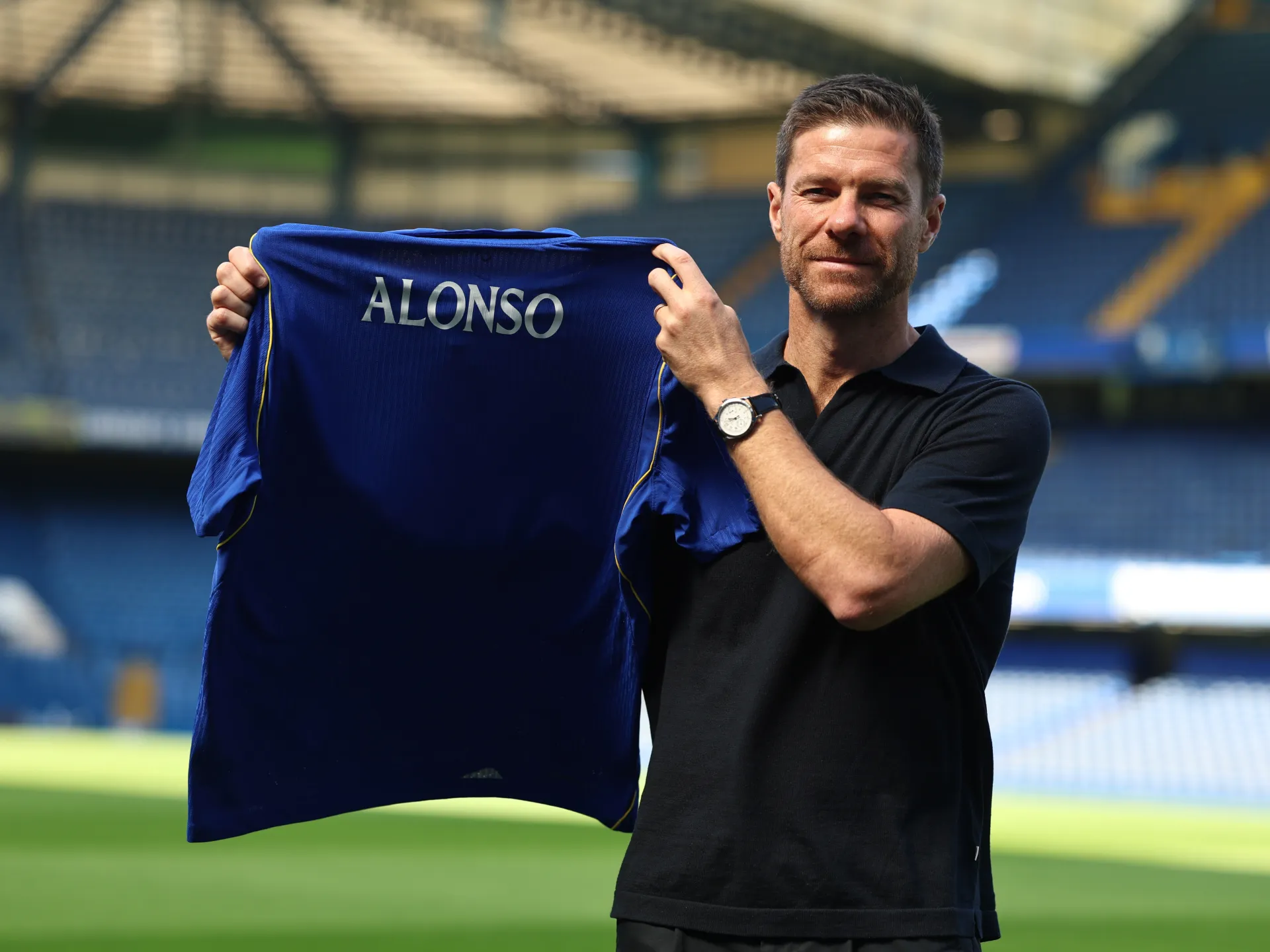
The appointment of Xabi Alonso as head coach marks the seventh permanent managerial change since that 2021 Champions League triumph — a statistic that speaks volumes about the dysfunction behind the scenes. The sale of the club by Abramovich in 2022, combined with a revolving door of managers and boardroom tension, has consistently disrupted progress on the pitch.
Under Alonso's predecessor, Enzo Maresca — now in charge at Manchester City — Chelsea dominated possession but failed to convert it into results. Opposing teams quickly identified predictable patterns in Maresca's approach, sitting deep and stifling the Blues. By the time the Italian departed amid reported internal tensions, the team had won just one of their final seven matches.
Alonso's Tactical Blueprint
Ironically, while inconsistency defined the club off the pitch, Maresca's rigid tactical approach was seen as a key weakness on it. Alonso, who parted ways with Real Madrid in January after receiving criticism for erratic formation changes, appears to be settling on a 3-4-3 system at Chelsea. This shape was deployed in the final preseason friendly against Real Sociedad and in the two matches preceding it.
The 3-4-3 has historically been viewed with some scepticism in the Premier League due to the pace and width that many English sides carry. However, it is the same formation Antonio Conte used when Chelsea last won the league title during the 2016-17 season, offering at least some historical precedent for optimism.
The Cole Palmer Question
No discussion of Chelsea's prospects is complete without addressing Cole Palmer. The 24-year-old attacking midfielder, released by Manchester City in 2023, rapidly became a fan favourite at Stamford Bridge. Two seasons ago, he recorded 29 Premier League goal involvements, pushing Mohamed Salah hard for the league's Player of the Year award. That season ended with Chelsea finishing fourth — largely on the strength of Palmer's performances.
Last season's dip in form coincided directly with the club's fall to 10th place. Much like Bruno Fernandes at Manchester United, Palmer has shown he is capable of elevating a struggling team. Whether he can rediscover that level under Alonso could determine Chelsea's entire campaign.
Morgan Rogers and the Attacking Partnership
Chelsea's reported £117 million ($158m) signing of England forward Morgan Rogers from Aston Villa — a new British transfer record — adds another dimension to their attack. Rogers, known for his direct running and forward movement, is expected to operate alongside Palmer behind a lone striker.
While his presence could draw defensive attention away from Palmer, questions remain about whether the two players might occupy the same areas of the pitch. Palmer prefers to orchestrate play as well as make runs into the box, whereas Rogers is more associated with direct forward movement. Aligning these two profiles cohesively will be one of Alonso's most pressing tactical challenges.
The Enzo Fernandez Saga
Argentine midfielder Enzo Fernandez has become the subject of one of the summer's most drawn-out transfer sagas. Despite Chelsea reportedly setting a deadline for bids, the 25-year-old remained at the club and was both jeered and applauded by different sections of supporters during the preseason friendly against Real Sociedad. His reported asking price of £120 million ($162m) has deterred most suitors, with Manchester City understood to be the only remaining serious option. Whether Fernandez stays or departs will influence Chelsea's midfield options significantly.
Ownership Uncertainty Persists
Away from the pitch, questions about Chelsea's ownership structure continue to circulate. Co-investors Todd Boehly and Mark Walter, who partnered with private equity firm Clearlake Capital to purchase the club for £2.5 billion in 2022, are reportedly considering selling their combined 38 percent stake. Clearlake currently holds a 62 percent majority share.
Reports suggest Boehly has grown frustrated with decisions around recruitment, management appointments, and plans for a new stadium. Multiple attempts by the various parties to buy each other out are said to have stalled. Boehly and Walter reportedly value their stake at approximately £5 billion ($6.8bn), a significant premium on the original purchase price.
With a new manager, a record signing, unresolved ownership questions, and one of their most important players needing to rediscover his best form, Chelsea enter 2026-27 at a genuine crossroads. The expectation, regardless of who holds the reins, is that further stagnation is simply not an option.