Damascus Keeps Diplomatic Door Open Despite Deep Mistrust
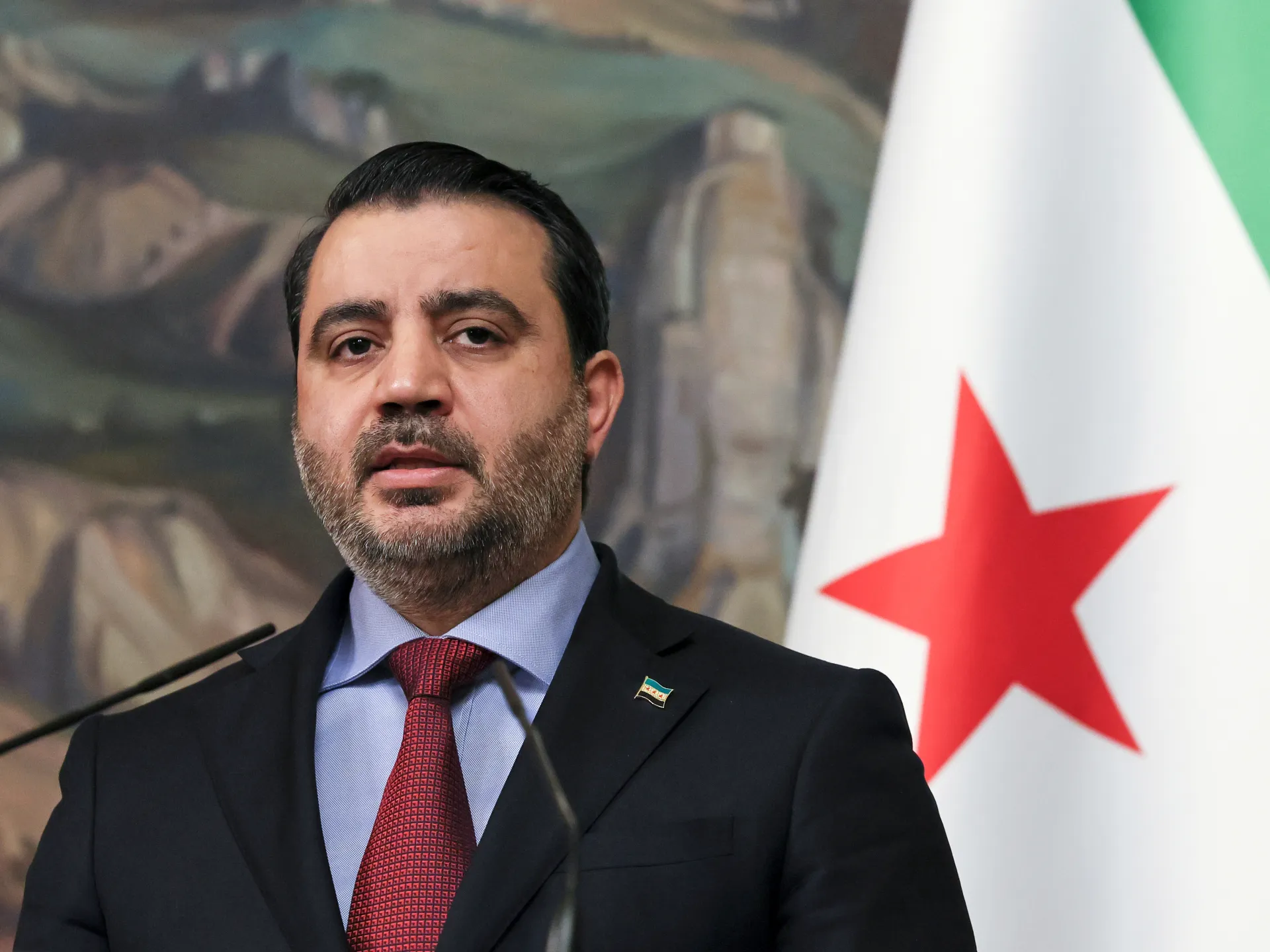
Syrian Foreign Minister Asaad al-Shaibani has stated that Syria remains open to diplomatic engagement with Israel, urging Israeli authorities to take advantage of what he described as a rare and significant moment for dialogue. Speaking in an interview published on Sunday, al-Shaibani indicated he expects negotiations over a broader security agreement — one that would involve Israel withdrawing from Syrian territory — to resume in the near future.
Despite the stated openness to talks, al-Shaibani made no attempt to conceal Damascus's skepticism toward Israel. "We do not trust Israel currently," he said plainly, adding that dialogue would only be meaningful if it produced tangible outcomes. "We believe there should be contact, especially with a party that constantly threatens the security of Syria. But if this contact doesn't bring results, then we don't need it."
Negotiations Frozen Since US-Israel Conflict with Iran
According to the Syrian foreign minister, talks between the two sides had been making progress earlier this year, with the two parties having "agreed on paper to almost everything" related to a security arrangement. The proposed deal would have required Israel to cease military operations against Syria and was contingent on Israeli forces pulling back from territory seized following the fall of former President Bashar al-Assad in 2024.
The framework reportedly included provisions for multiple security zones along the Syrian side of the Israeli border, ranging from a United Nations-monitored buffer zone to areas where Syrian forces would be permitted to operate at varying levels. However, al-Shaibani alleged that Israel had not demonstrated genuine commitment to moving forward, stating: "We did not see they had the real will to reach an agreement."
Negotiations subsequently stalled following the outbreak of the US-Israel military conflict with Iran, and no date has been set for their resumption. Al-Shaibani said the United States has been applying pressure on Israel to return to the dialogue table.
Israeli Strikes Raise Questions Over Intentions
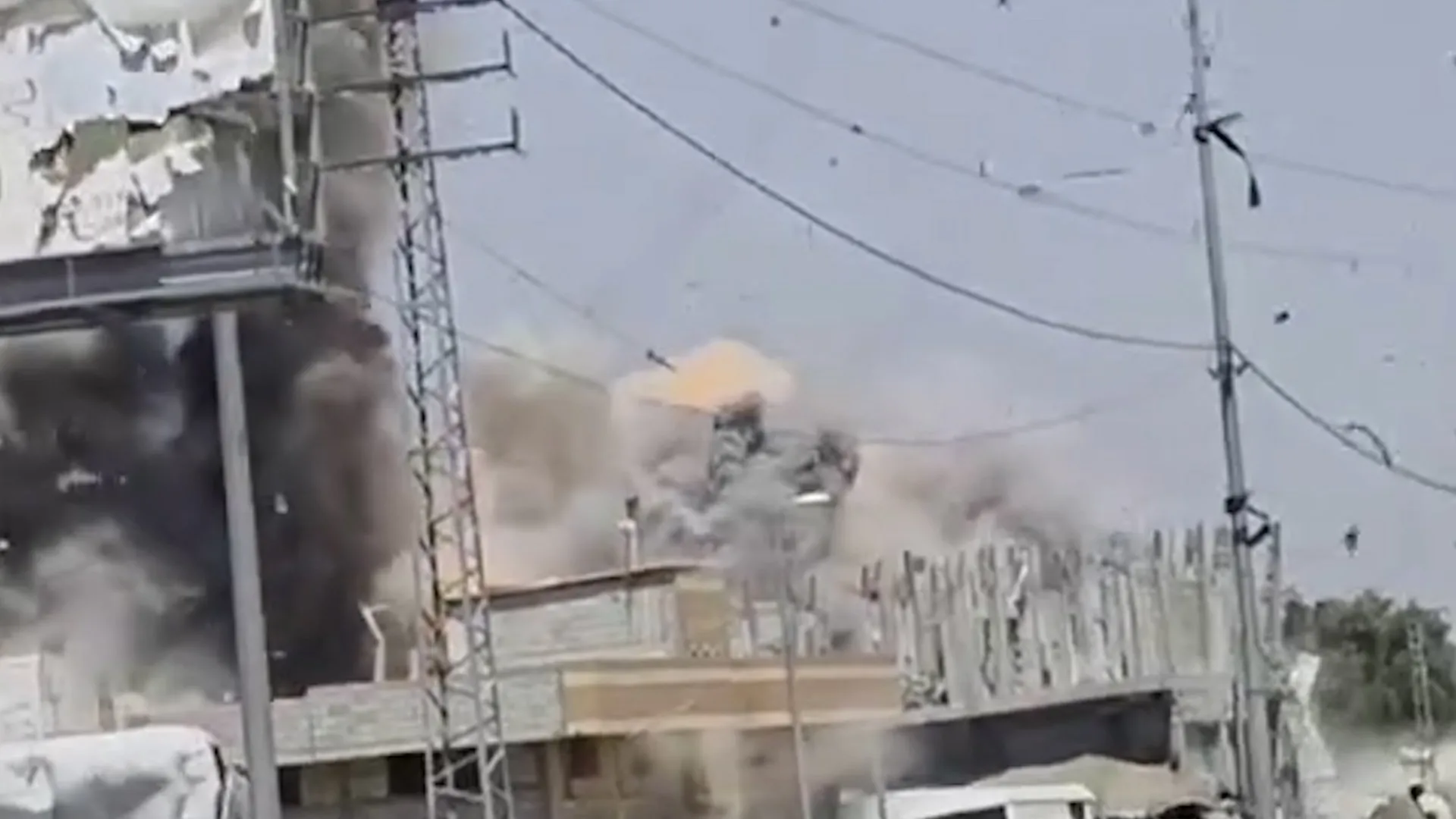
Tensions between the two countries were sharply highlighted last week when Israeli forces struck the Abu al-Duhur airbase in Syria. Israel claimed the attack was preemptive, citing intelligence that Damascus was planning to allow Turkish military forces to be stationed there. Both Syria and Türkiye rejected this claim.
Al-Shaibani acknowledged Israel's security concerns but argued that Damascus's own security interests must be equally respected. He criticized Israel for what he described as repeated violations of Syrian airspace, as well as raids and detentions carried out in southern Syria. "Israel has tried to maintain its security through brute force, and it hasn't succeeded" anywhere, he said.
The Israeli Prime Minister's office did not respond to a request for comment on al-Shaibani's statements.
Halting Aggression Seen as a Prerequisite for Broader Peace
Al-Shaibani outlined what Syria views as the necessary sequence of events: first, an end to Israeli military strikes, and only then a broader conversation about peace and longer-term issues such as the Golan Heights. "The priority now is to stop Israeli aggression even before reaching a security agreement, and then perhaps we can open the topics of peace and the Golan," he said.
The Golan Heights, seized by Israel from Syria during the 1967 Six-Day War, remains a deeply sensitive issue. Israeli officials have indicated they have no intention of returning the territory to the current Syrian government under President Ahmed al-Sharaa. The two countries have technically been in a state of war since 1948.
US Mediation Efforts Continue
Washington has been engaged in efforts to broker a security deal between Israel and Syria for over a year. The administration of US President Donald Trump has cultivated ties with al-Sharaa's government, viewing it as a new ally in the region. US special envoy for Syria, Tom Barrack, recently indicated that Washington is working to establish a conflict-prevention mechanism involving Israel, Türkiye, and Syria.
Al-Shaibani said no agreement had yet been reached on such a mechanism, and he stressed that any framework must be aimed at halting attacks and creating conditions for a security deal — not at cementing Israeli territorial control.
Syria Emphasizes Regional Stability and Open Alliances
Syrian President Ahmed al-Sharaa has consistently maintained that his country poses no threat to neighboring states and that Syria's primary focus is reconstruction following more than a decade of civil war.
Al-Shaibani echoed this position, saying Syria was actively seeking stable relationships with all its neighbors. He also defended Syria's military cooperation with Türkiye, noting that Damascus receives similar support from Jordan, Saudi Arabia, and others. "Syria is extending its hand for understandings, for peace, for diplomacy," he said, while acknowledging the difficulty of betting on Israeli follow-through: "It's very hard to bet on Israel."