Public Demonstration Sparks Controversy in Dearborn
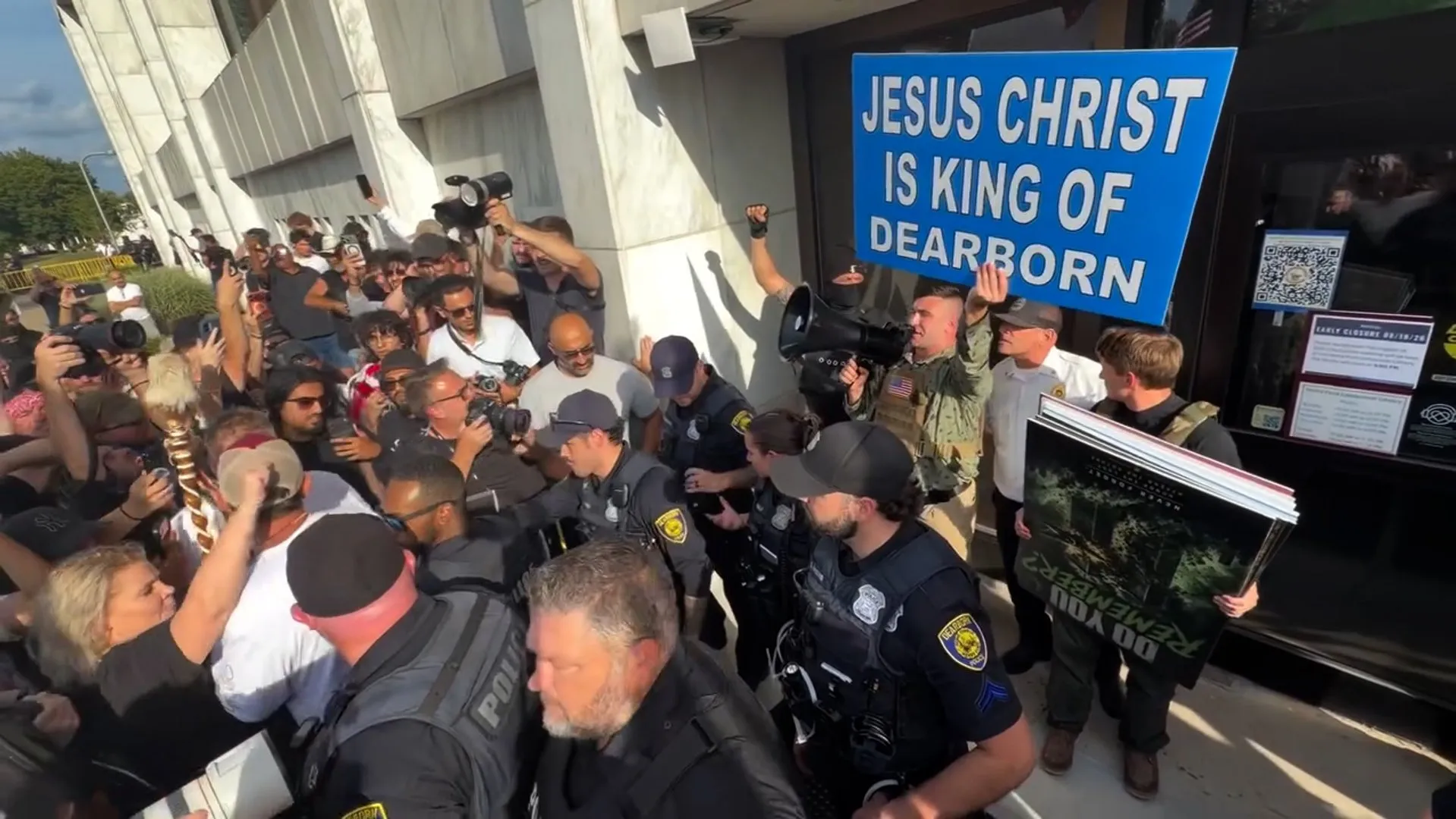
Dearborn, Michigan, recently became the focal point of significant public unrest when a group of protesters, identifying with far-right ideologies, convened for a demonstration that organizers provocatively labeled a 'Christian Crusader march.' The event, which drew hundreds of participants, was met with strong opposition and ultimately resulted in confrontations with local police, leading to multiple arrests.
The demonstration was primarily directed at Dearborn's substantial Muslim population, a demographic that has long contributed to the city's diverse cultural fabric. Organizers of the march explicitly stated their intention to challenge the presence and influence of the Muslim community in the area, framing their protest as a stand for Christian values and a 'crusade' against what they perceive as an encroaching Islamic presence. This rhetoric immediately ignited debate and drew condemnation from various community leaders and civil rights organizations, who denounced the language as inflammatory and divisive.
The Scene Unfolds: Clashes and Arrests
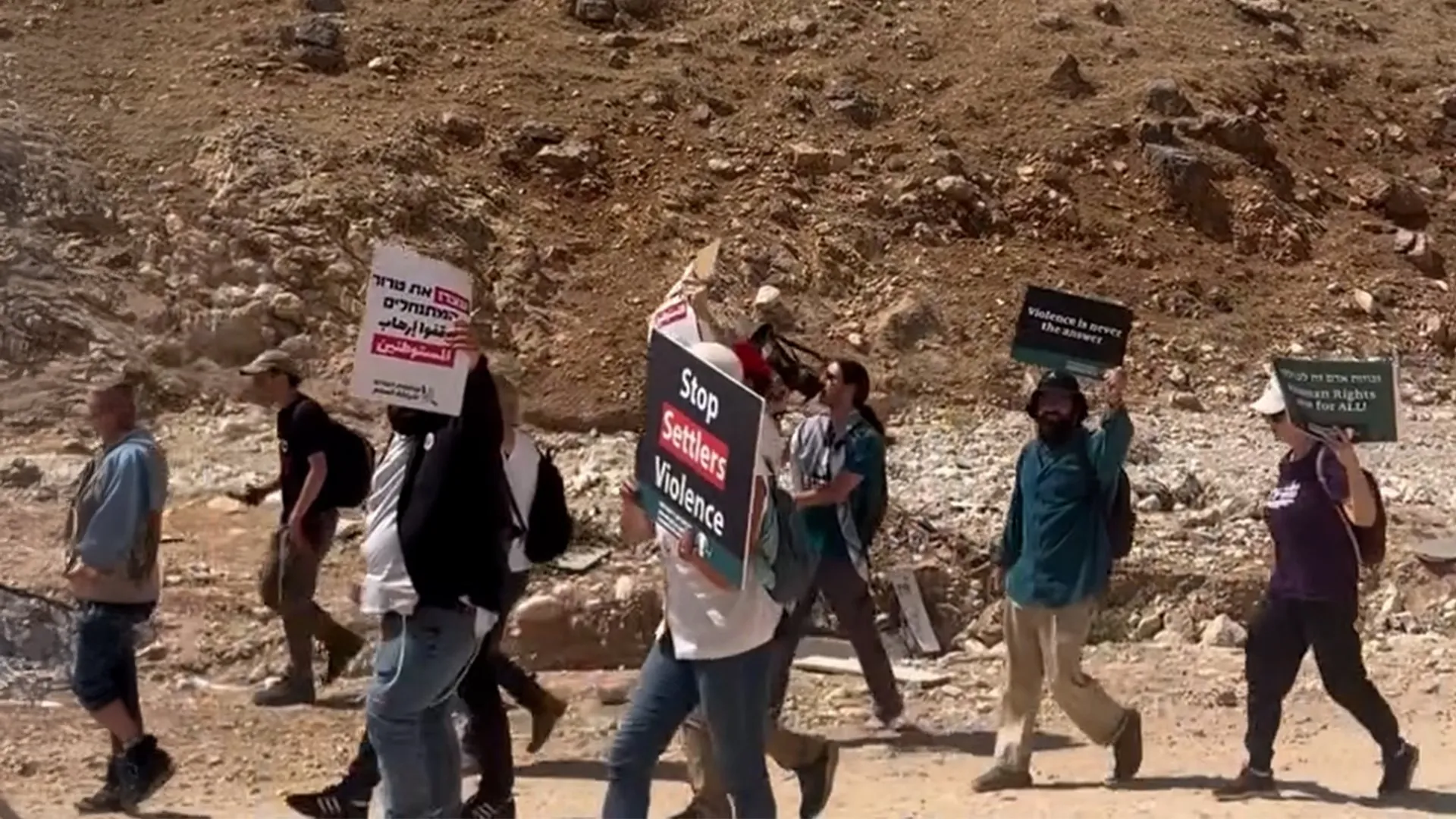
The rally took place outside a city council meeting, a deliberate choice by the organizers to maximize visibility and impact. As protesters gathered, the atmosphere quickly grew tense. Eyewitness accounts and media reports describe a scene where demonstrators, some carrying banners and signs with anti-Muslim slogans, engaged in heated exchanges with counter-protesters who had assembled to oppose the march. The presence of both groups in close proximity, coupled with the provocative nature of the protest, necessitated a significant law enforcement response.
Police officers were deployed to maintain order and prevent direct clashes between the opposing factions. Despite their efforts, tensions escalated, leading to several instances of confrontation between protesters and the police. Details surrounding the arrests indicate that individuals were taken into custody for various offenses, including disorderly conduct and failure to comply with lawful orders. The exact number of arrests and the specific charges are still being processed, but the incidents underscore the volatile nature of the event.
Community Response and Broader Implications
The 'Christian Crusader march' and the ensuing unrest have sent ripples through the Dearborn community and beyond. Local Muslim leaders expressed deep concern over the demonstration, highlighting the fear and intimidation it generated among residents. They emphasized the importance of religious freedom and mutual respect, calling for unity in the face of division. Various interfaith groups and community organizations also issued statements condemning the protest, reiterating their commitment to peace and coexistence.
The incident in Dearborn is not isolated but rather reflects a broader pattern of rising anti-Muslim sentiment and Islamophobia observed in various parts of the United States and other Western countries. Such demonstrations often draw on extremist narratives and contribute to a climate of intolerance. Analysts suggest that these events are frequently fueled by misinformation and fear-mongering, aiming to sow discord within diverse communities. The use of historical terms like 'crusade' by the organizers is particularly charged, evoking centuries of religious conflict and violence, which critics argue is a deliberate attempt to incite hatred.
The events in Dearborn serve as a stark reminder of the ongoing challenges faced by diverse societies in upholding principles of tolerance and respect. The clash between freedom of speech and the potential for incitement to hatred remains a complex legal and social issue, requiring careful navigation by authorities and concerted efforts from community stakeholders to foster understanding rather than division.
In the aftermath of the rally, local authorities have pledged to review the events thoroughly, ensuring that both the rights of protesters and the safety of the community are protected in future demonstrations. Discussions are also underway within the community to address the underlying tensions and to reinforce messages of inclusivity and harmony. The incident underscores the critical need for continued dialogue and education to counter prejudice and promote a more understanding society.