
Unprecedented Heatwave Grips Western Europe
Western Europe has endured its hottest June and July on record this summer, a development confirmed by the European Union’s Copernicus Climate Change Service (C3S). The average temperature across the region for these two months reached 21.62 degrees Celsius (70.9 degrees Fahrenheit), marking an increase of 2.79C (5.01F) above the typical average. This figure surpasses the previous record established in 2022, signaling an escalating trend in regional temperatures.
The C3S highlighted that this sustained warmth reflects an "exceptional persistence of heat" throughout the summer season. Compounding the issue, soil moisture levels were found to be "significantly lower" than those observed in July 2022, when Western Europe last faced a severe drought. This reduction in soil moisture indicates a worsening of dry conditions across the continent.
Climate Change Amplifies Heat and Drought
Samantha Burgess, strategic lead for climate at the European Centre for Medium-Range Weather Forecasts, elaborated on the findings. She noted that July 2026 marked the third consecutive month of extraordinary heat in Western Europe, contributing to the new combined temperature record for June and July. Burgess explained that persistent high-pressure systems have effectively trapped heat over the region, intensifying the extreme temperatures. These elevated temperatures, in turn, have significantly amplified widespread drought conditions.
A critical aspect of this phenomenon, as pointed out by Burgess, is the feedback loop between heat and drought. As soils become drier, their natural cooling capabilities diminish, allowing heat to accumulate more readily. This dynamic illustrates a clear instance of how climate change is intensifying heat extremes, with heat and drought reinforcing each other in a detrimental cycle.
Impacts on Water Resources and Infrastructure
The prolonged heat and subsequent drought have had profound effects on Western Europe's vital water systems. Several major rivers, including the Seine, Rhine, and Danube, have experienced exceptionally low water levels. This reduction in flow has not only impacted water supplies and irrigation for agriculture but has also led to operational adjustments in critical infrastructure.
For instance, Hungary and Slovenia were compelled to operate their sole nuclear power plants at reduced capacities due to the diminished water availability required for cooling systems. This highlights the broad implications of climate change on energy production and national stability.
Devastating Wildfires and Air Quality Concerns
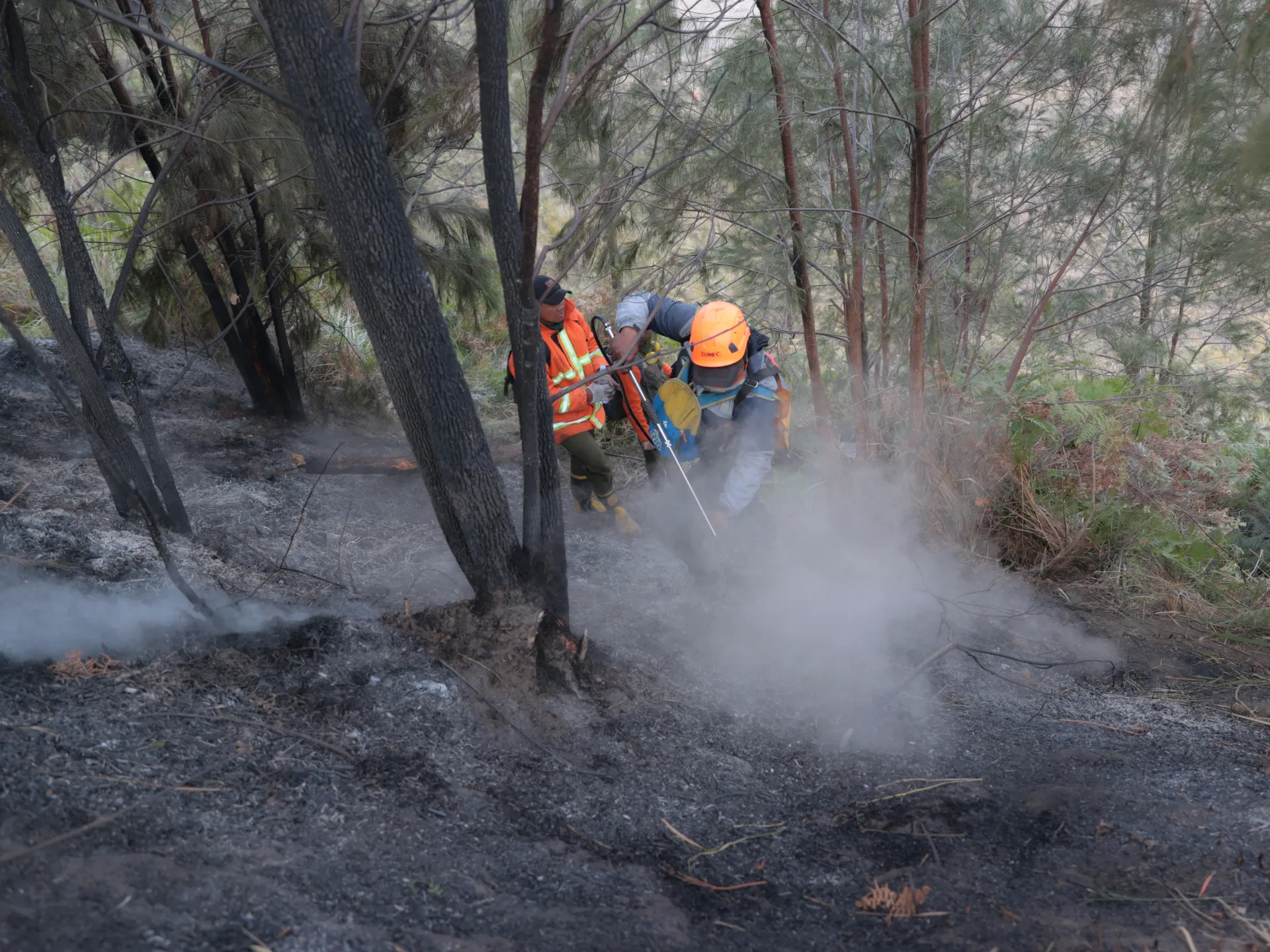
The record-breaking drought conditions have also fueled devastating wildfires across the region, particularly in France and Spain, where record levels of dryness were observed. In southwestern France's Gironde department, a massive wildfire consumed nearly 42,000 hectares (103,785 acres) in late July, forcing the evacuation of over 220,000 people. Simultaneously, Spain experienced its largest wildfire in recent history, which scorched almost 44,000 hectares (108,725 acres) in Avila province, near Madrid.
Beyond immediate destruction, these large-scale fires pose a broader environmental threat. The report warned that the smoke generated by such blazes can ascend high into the atmosphere, traveling thousands of kilometers and negatively impacting air quality in distant countries. This demonstrates the far-reaching consequences of localized environmental disasters.
Record Ocean Temperatures
Adding to the concerning climate trends, the C3S also reported the highest sea surface temperatures on record outside the polar regions in July. The average sea surface temperature reached 20.96C (69.7F), marginally exceeding the previous record of 20.89C (69.6F) set in 2023. This increase in ocean temperatures has implications for marine ecosystems, weather patterns, and global climate systems, further underscoring the widespread impact of ongoing climate change.