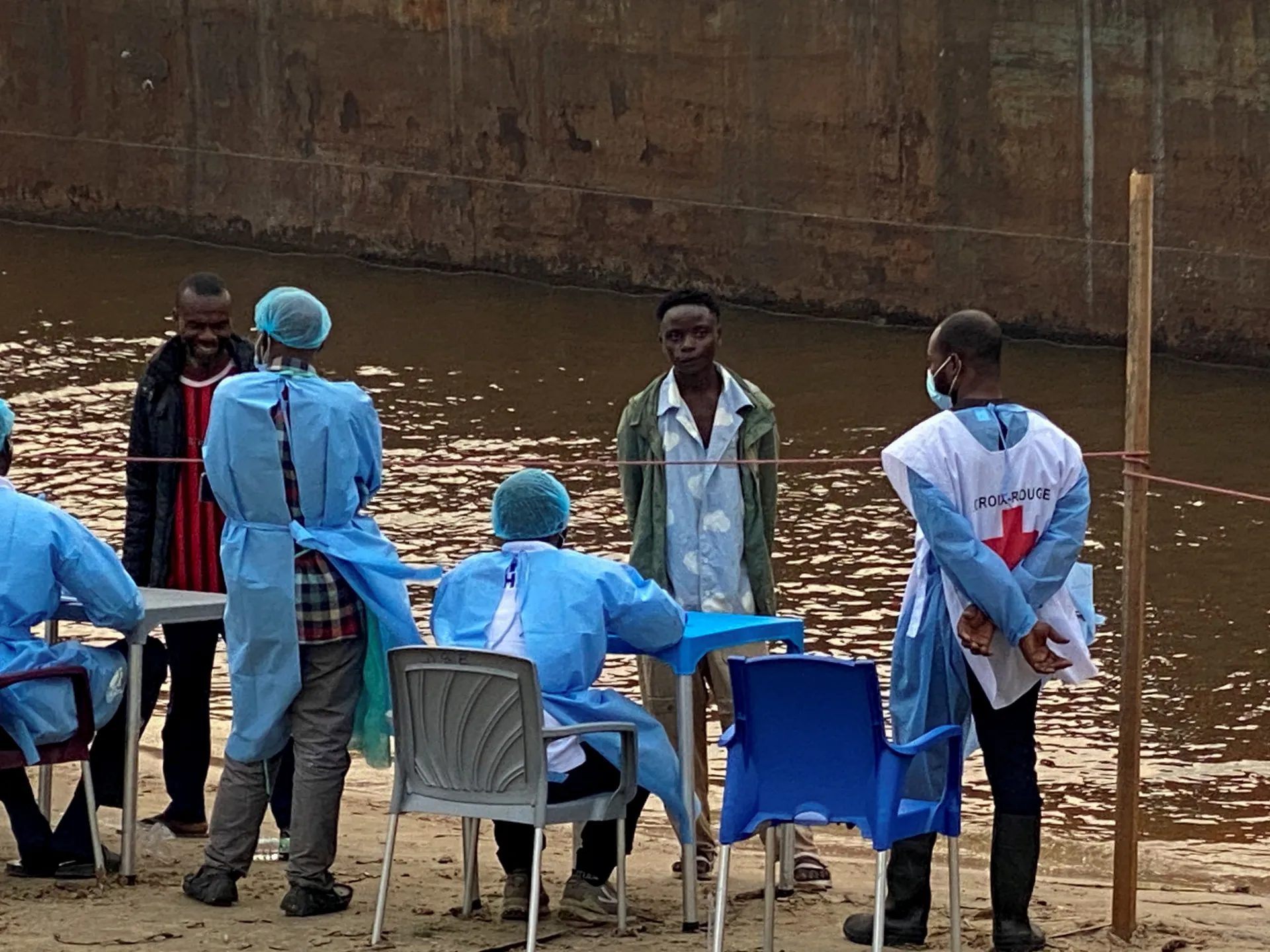
Ebola Crisis Deepens in the Democratic Republic of Congo
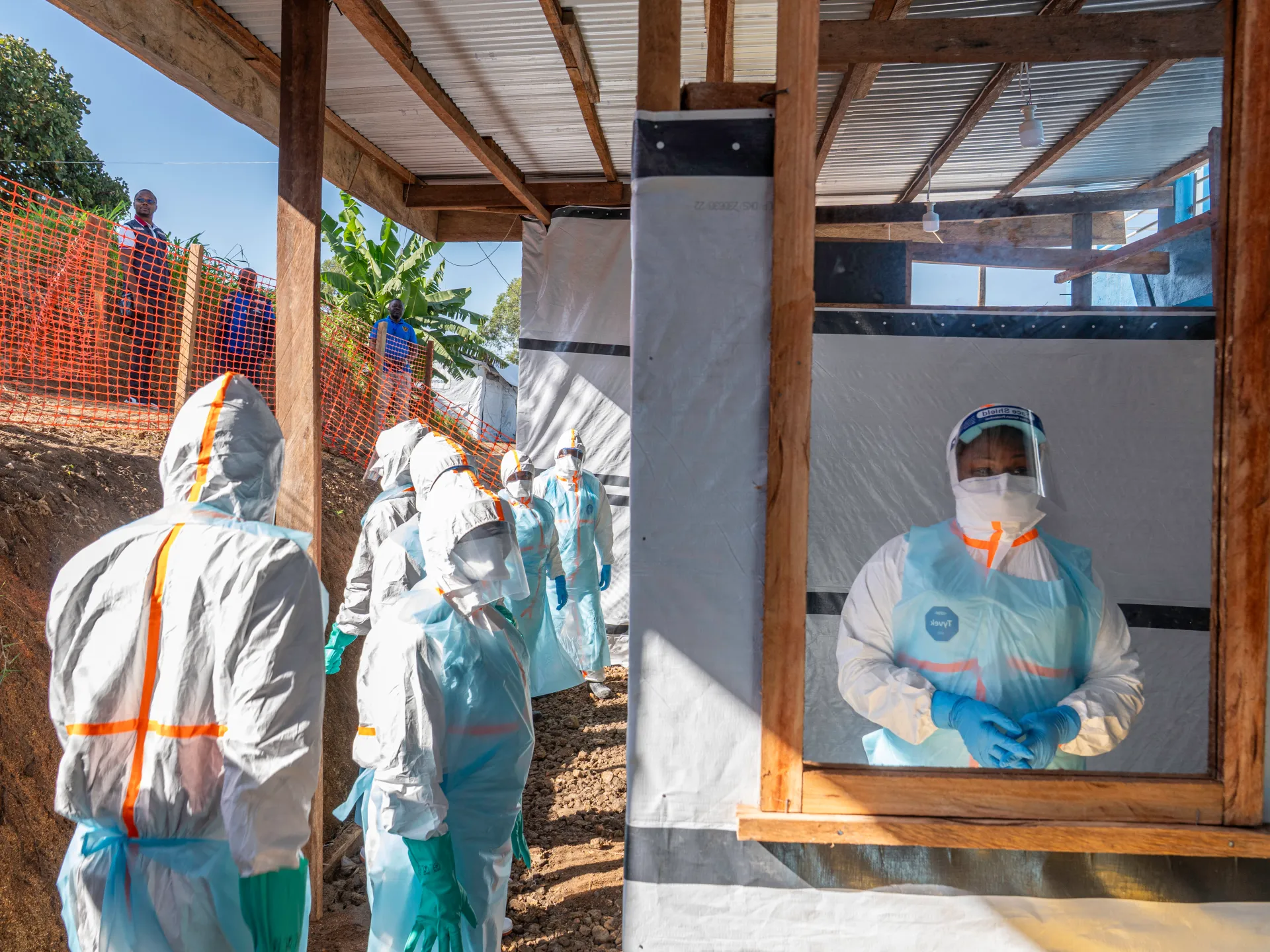
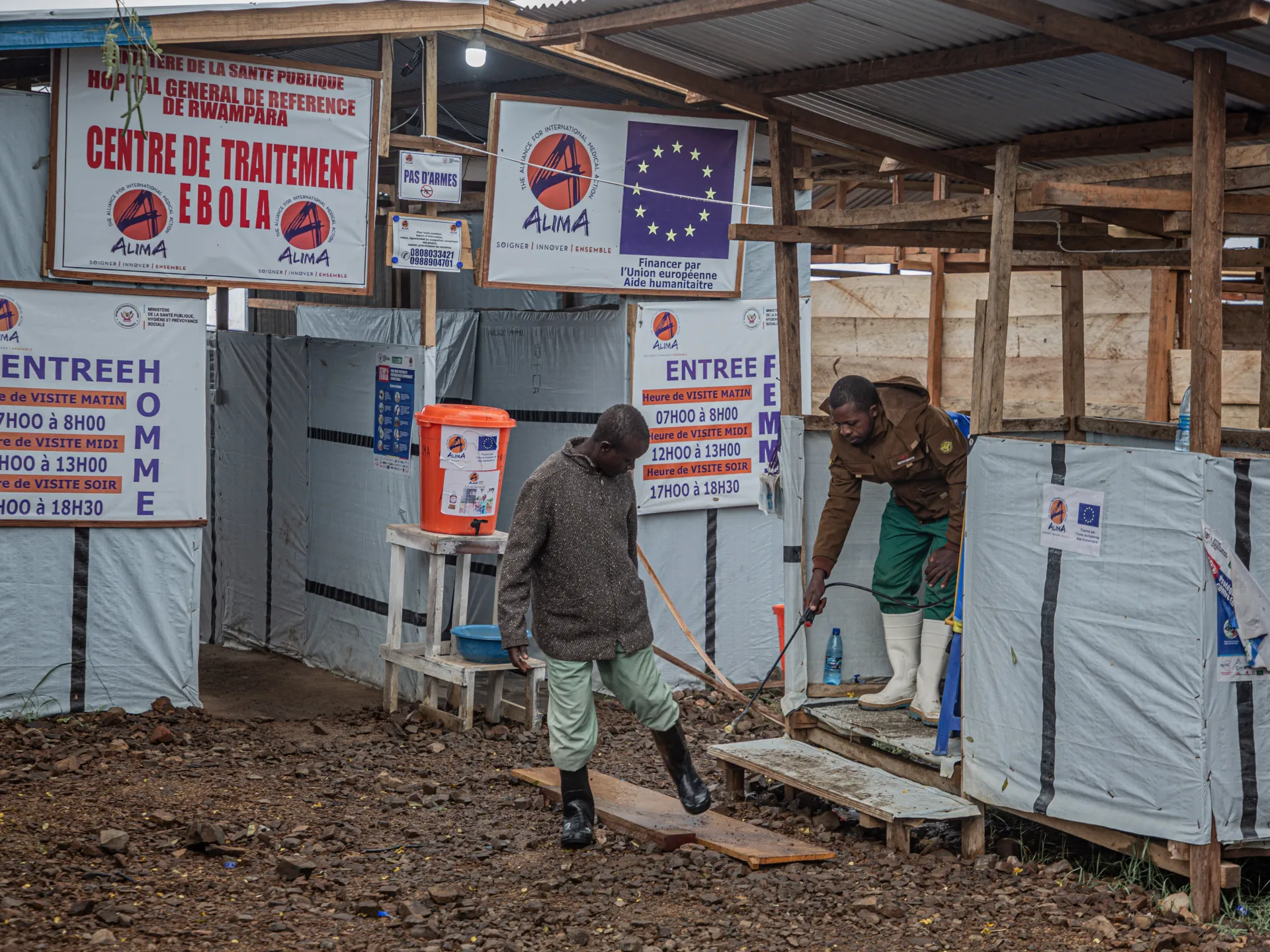
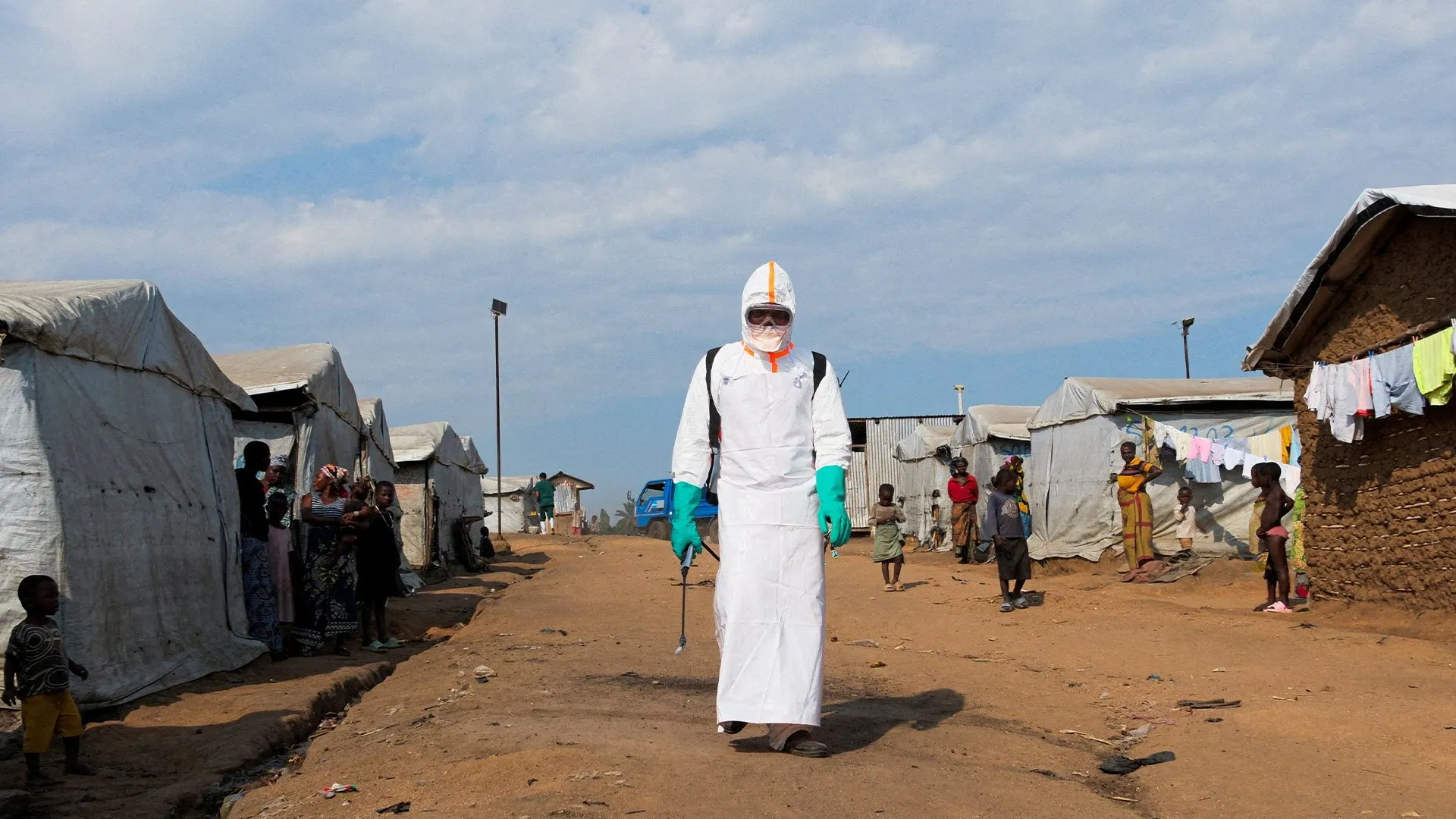
The Democratic Republic of Congo (DRC) is currently grappling with an unprecedented Ebola outbreak, which has claimed the lives of more than 2,000 individuals in under three months. This alarming statistic underscores the severity and rapid progression of the disease, making it the fastest-growing outbreak ever recorded in the Central African nation. Official government data reveals that approximately 1,000 of these fatalities have occurred within the past three weeks alone, indicating an accelerating rate of transmission.
As of Tuesday, the total number of confirmed Ebola cases across five provinces in the DRC has reached 4,381. This includes the 2,011 reported deaths. The current outbreak is second in scale only to the devastating West African epidemic between 2014 and 2016, which resulted in 11,310 deaths. The challenges in containing the virus are multifaceted, ranging from operational obstacles to societal factors, all contributing to its persistent spread.
Factors Contributing to the Outbreak's Persistence
Several critical issues have hindered the effective response to the Ebola outbreak in the DRC. One significant factor has been industrial action by healthcare workers, who have protested over unpaid wages. Such disruptions to essential medical services can severely impede efforts to identify, isolate, and treat patients, thereby allowing the virus to propagate further within communities.
Another substantial challenge is the prevalence of misinformation surrounding the disease and its prevention. Public understanding and cooperation are crucial for successful public health campaigns, and the spread of inaccurate information can foster distrust, leading individuals to reject medical advice or intervention. This makes it difficult for health authorities to implement necessary control measures, such as safe burial practices and contact tracing.
Furthermore, deeply ingrained cultural traditions have complicated the response. For instance, intimate family burials of individuals who have succumbed to the virus, while culturally significant, inadvertently increase the risk of further transmission. The Ebola virus can remain active in the bodies of deceased individuals, and direct contact during burial rituals can expose family members and community members to the infection. Addressing these cultural practices requires sensitive and community-led approaches to ensure that safe alternatives are adopted without disrespecting local customs.
Treatment and Vaccine Development
A critical gap in the current response is the absence of an approved treatment or vaccine specifically for the rare Bundibugyo strain of Ebola responsible for the ongoing outbreak in the DRC. This particular strain presents unique challenges for medical intervention, as existing treatments or vaccines developed for other strains may not be effective. The World Health Organization (WHO) recently announced that trials for a vaccine are currently underway. However, the results of these trials are not expected for several months, highlighting the urgent need for accelerated research and development.
The timeline of the outbreak itself has also been a point of concern. The WHO disclosed on Monday that the virus initially emerged in the country in February, approximately three months before an official declaration of the outbreak was made on May 15 in both the DRC and neighboring Uganda. This delay in official recognition could have allowed the virus to gain a significant foothold before coordinated response efforts could be fully mobilized.
International Implications and Monitoring
The global concern over the DRC's Ebola outbreak was underscored by a recent incident involving Israel. On Tuesday, the Israeli Ministry of Health issued an alert regarding a potential Ebola case within its borders. The alert was triggered after an Israeli citizen, who had recently returned from the DRC, developed a fever. In response, the individual was immediately placed in isolation, and tests were conducted to confirm or rule out Ebola infection. The results of these tests are anticipated within the next 24 hours. This event highlights the potential for the virus to spread beyond national borders, necessitating rigorous international surveillance and preparedness measures.
The situation in the DRC remains dynamic and complex, with the international community closely monitoring developments. The concerted efforts of local health authorities, international organizations, and affected communities are essential to bring this rapidly expanding and devastating outbreak under control.