Growing Discontent within FIFA Ranks
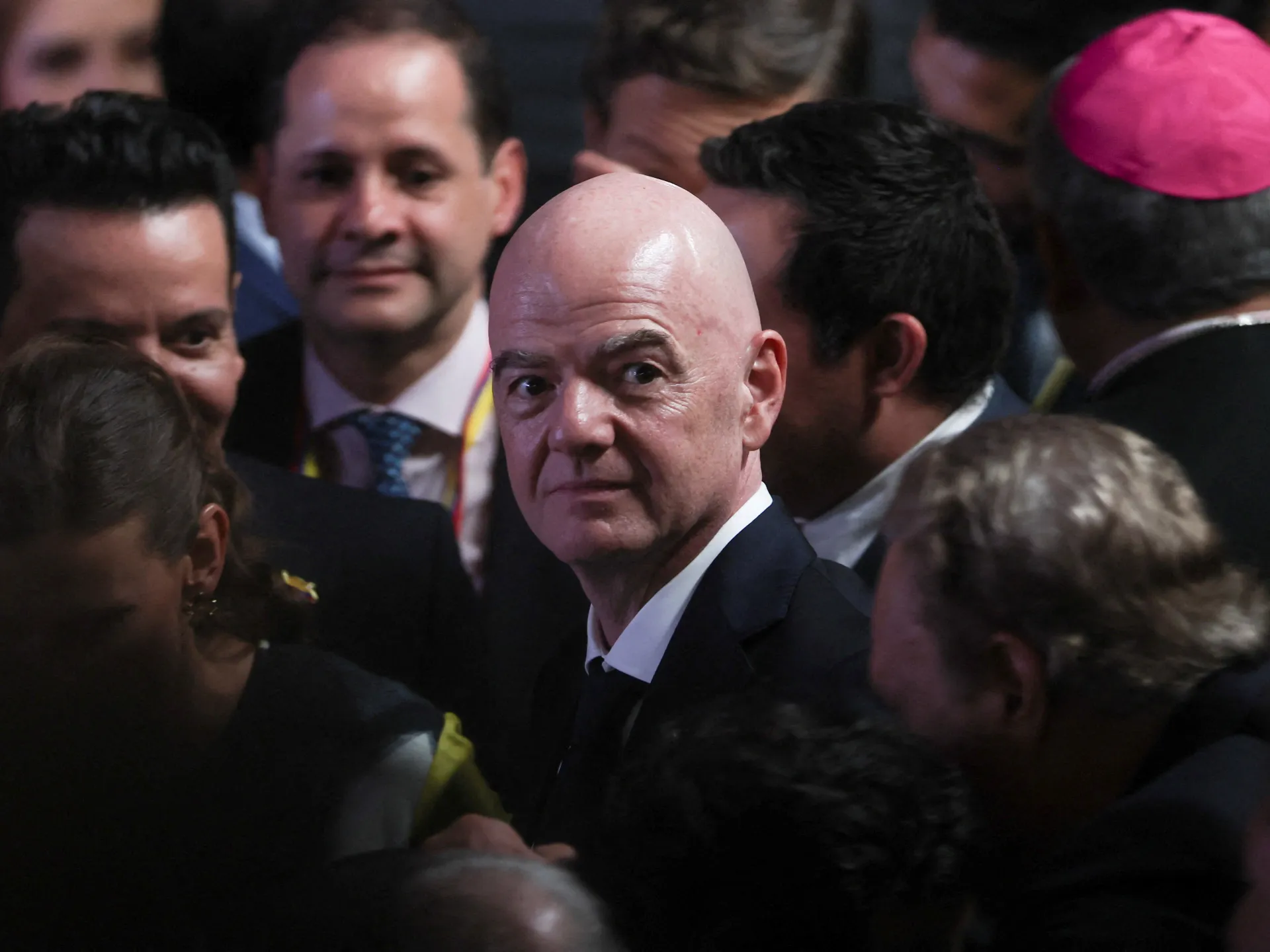
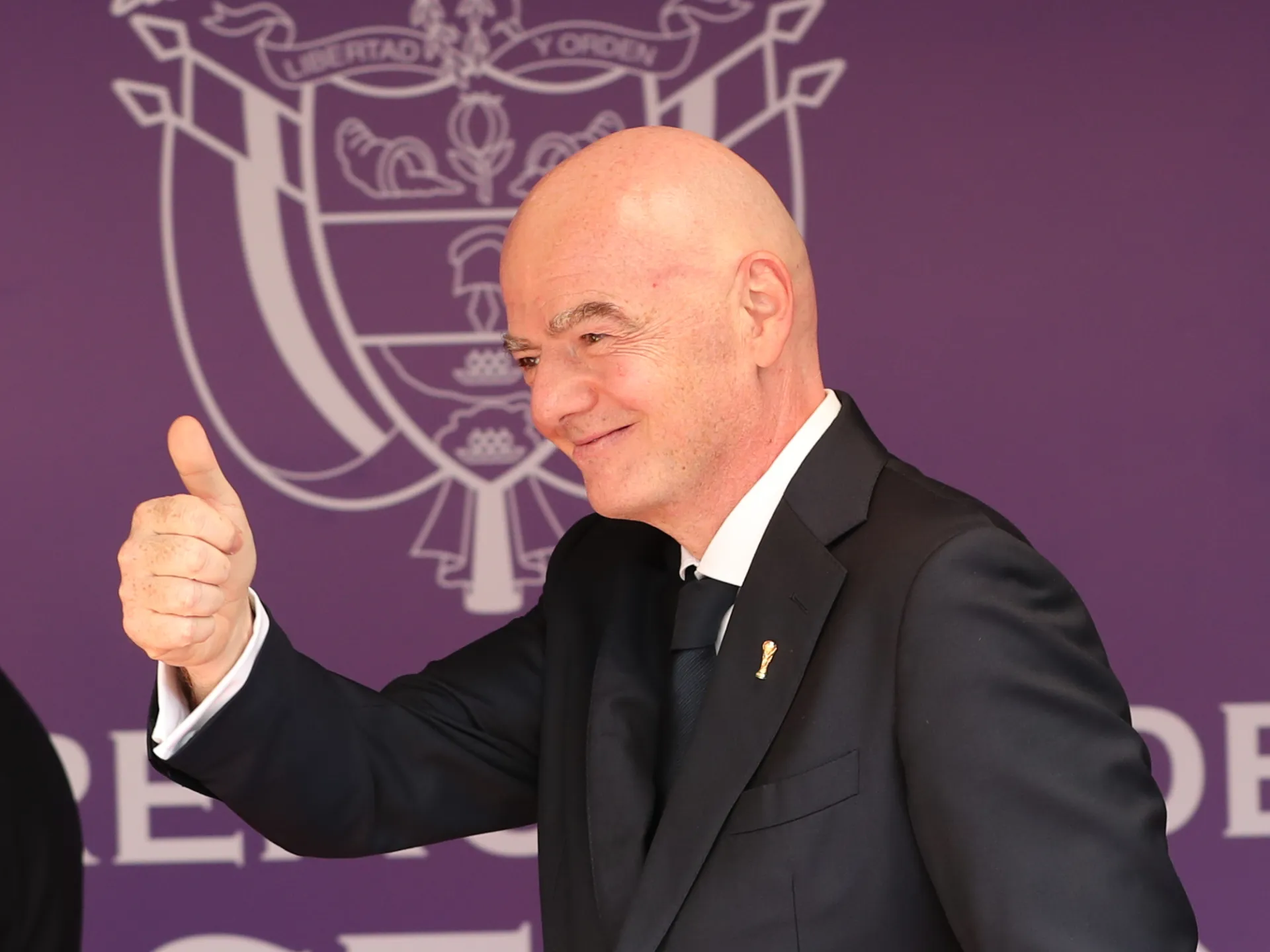
The global football governing body, FIFA, is experiencing increasing internal division as several national and continental federations express concerns over the leadership of President Gianni Infantino. A focal point of this dissent has been Infantino's now-retracted plan to sell commercial rights stakes in major FIFA tournaments. While the Oceania Football Confederation (OFC) has offered a degree of support to Infantino, New Zealand has notably broken ranks with its regional confederation, signaling a deepening rift within the organization.
Infantino, who is slated to seek a fourth term as FIFA president next year, has encountered significant opposition, particularly from three influential confederations: UEFA (Europe), the Asian Football Confederation (AFC), and CONCACAF (North and Central America and Caribbean). These bodies have openly called for a thorough review of his leadership and have criticized his handling of the commercial rights proposal, which aimed to introduce private investment into FIFA competitions.
New Zealand's Stance on Leadership Review
New Zealand, the sole OFC nation to have qualified for this year's World Cup, announced its withdrawal of support for Infantino's re-election bid. The nation's football governing body emphasized the necessity of an independent review into the proposed stake sale, citing a loss of confidence and trust in FIFA's current leadership. Andrew Pragnell, Chief Executive of New Zealand Football (NZF), articulated this position, stating, "We've called for an independent review specifically because what we don't want to see is a sort of in-house quick washover of this." He further stressed that an independent assessment, which other confederations have also advocated for, would be crucial in rebuilding trust within the organization.
Oceania's Position and Infantino's Allies
In contrast to New Zealand's firm stance, the OFC issued a statement welcoming FIFA's decision to retract the controversial proposal. The confederation acknowledged the progress achieved in football development within the Oceania region under Infantino's leadership over the past decade. The OFC encouraged FIFA to utilize the review process as an opportunity to identify and implement any necessary changes, thereby maintaining a more conciliatory tone.
Infantino's initial proposal involved selling a 20 percent stake in the commercial rights to the World Cup to private investors, with an estimated value of approximately $4.2 billion. This plan also included a provision for a $20 million grant to member associations for the upcoming funding cycle, which could have been doubled upon signing the deal. Following a crisis meeting held in Morocco, FIFA apologized to its 211 member associations for the mishandling of the proposal, with its leadership subsequently declaring full support for Infantino.
Despite the opposition from UEFA, AFC, and CONCACAF, which collectively represent 136 of the 211 member associations eligible to vote in the upcoming FIFA presidential election, Infantino retains significant backing. Six heads of Arab national football associations, including Qatar and 2030 World Cup co-host Morocco, have publicly endorsed him, commending his "sustained efforts to advance football globally." Additionally, the Confederation of African Football's executive committee has unanimously reaffirmed its support for Infantino, although a guaranteed bloc vote from all 54 African members remains uncertain.
Calls for Transparency and Accountability
Pragnell underscored the importance of an independent review into the scrapped FIFA Forward Enterprise proposal, emphasizing the need for transparency regarding decision-making processes and oversight within FIFA. He also highlighted the necessity of identifying all individuals involved in the plan for Thrive Capital, a firm with reported close familial ties to former US President Donald Trump, to play a prominent role in the venture. Pragnell urged that the scope of such a review be carefully considered and agreed upon by all confederations, stressing the urgency of its commencement.
Australia, a member of the AFC, has also joined the call for an independent review, aligning with the Asian bloc's position, although it has refrained from publicly stating its stance on Infantino's overall leadership. Pragnell noted the strong alignment between New Zealand's position and Australia's commitment to the AFC statement, indicating a growing consensus among some nations regarding the need for greater scrutiny and reform within FIFA.