Floodwaters Inundate Venezuela's Capital
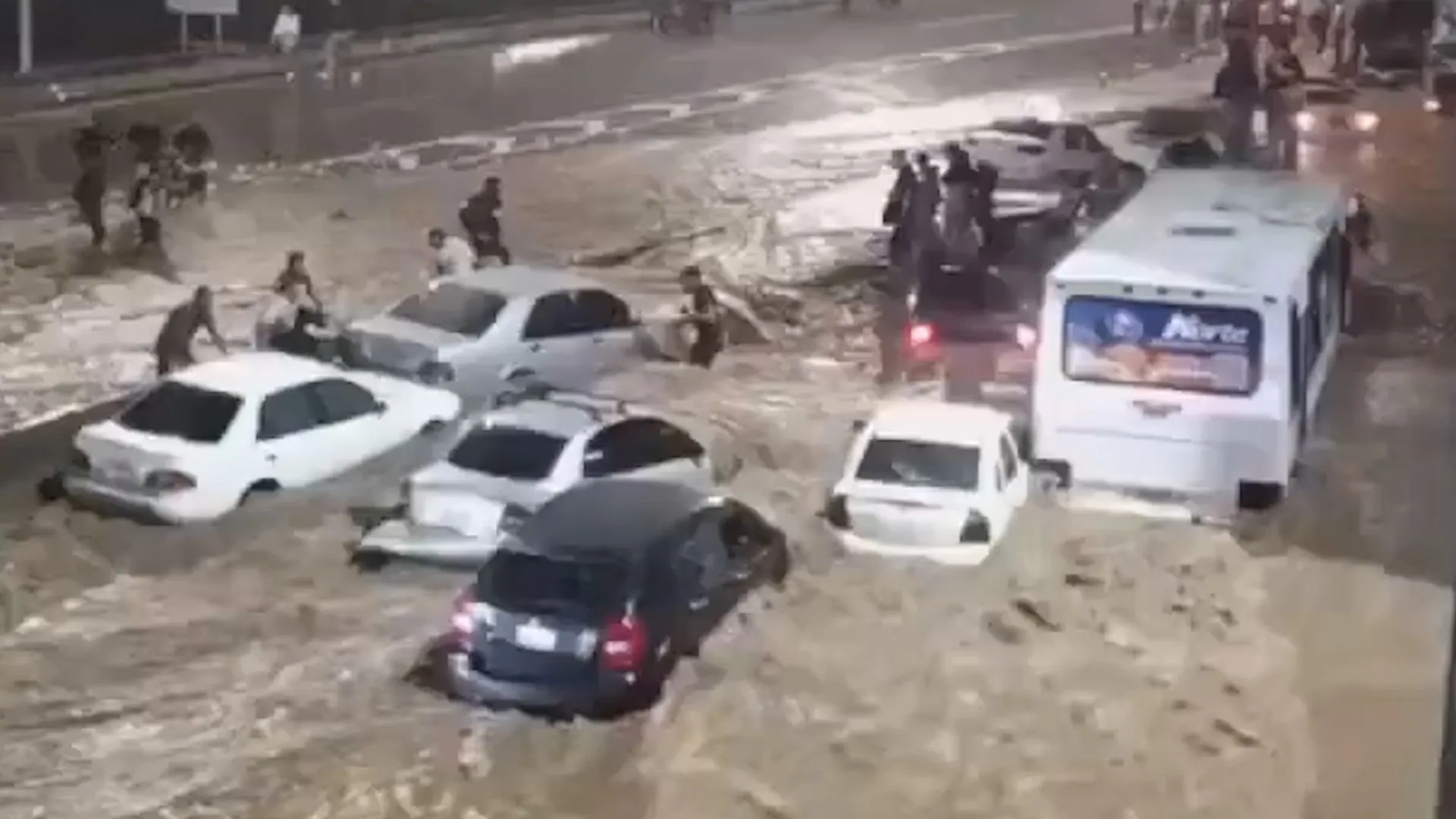
Caracas, the capital of Venezuela, experienced widespread flooding following an intense period of heavy rainfall that caused the El Valle River to burst its banks. The rising waters spread rapidly through surrounding areas, submerging significant portions of a major highway and leaving residents and motorists in precarious situations.
The flooding affected multiple parts of the city simultaneously, highlighting the vulnerability of urban infrastructure to extreme weather events. Roads that are typically busy with daily commuters became impassable as water levels climbed, stranding numerous drivers in their vehicles and disrupting the flow of traffic across key routes.
Emergency Teams Deployed Across Affected Areas
In response to the deteriorating situation, Venezuelan authorities mobilized emergency teams to assist those caught in the floodwaters. Rescue operations were concentrated along the most heavily impacted stretches of highway and nearby residential zones, where water had accumulated at dangerous levels.
Rescue workers faced considerable challenges navigating the flooded terrain, particularly in areas where the water flow remained strong and unpredictable. The rapid onset of the flooding left little time for residents to prepare or relocate to safer ground, adding urgency to the emergency response efforts already underway.
Infrastructure Damage Reported Throughout the City
Beyond the immediate threat to human safety, the floods caused notable damage to physical infrastructure across Caracas. Trees were uprooted or heavily damaged by the force of the moving water, while power lines were brought down in several locations, raising concerns about electrical hazards and potential outages for affected neighborhoods.
The combination of waterlogged roads, fallen trees, and downed power lines complicated the work of emergency personnel attempting to reach those in need. Authorities urged residents to avoid flooded areas and to remain in place until conditions improved and it was safe to travel.
A City Prone to Flood Risk
Caracas, like many cities built within mountainous terrain, faces recurring challenges related to heavy rainfall and urban flooding. The city's geography, which features valleys and river corridors running through densely populated zones, means that when rivers swell significantly, the consequences for surrounding communities can be swift and severe.
Infrastructure limitations, including drainage systems that were not originally designed to handle the volume of water produced during extreme rainfall events, often compound the impact of flooding in the capital. Seasonal rains in Venezuela typically bring heightened flood risk, and local authorities have long grappled with how best to manage the recurring threat.
Impact on Daily Life
For the people of Caracas, flooding events of this scale represent more than a temporary inconvenience. Families living near riverbanks and low-lying areas are often among the most vulnerable, facing potential loss of property, displacement, and disruption to essential services such as electricity, clean water, and transportation links.
Motorists who found themselves stranded on the inundated highway faced hours of delays, with some requiring direct assistance from emergency teams to safely exit their vehicles and reach dry ground. Local residents captured footage of the chaotic scenes, which circulated widely and drew attention to the extent of the damage caused by the sudden floods.
Ongoing Monitoring and Recovery Efforts
Following the initial emergency response, authorities indicated that monitoring of river levels and affected infrastructure would continue in the hours and days ahead. Recovery teams were expected to begin assessing the full extent of the damage once floodwaters receded sufficiently to allow safe access to impacted zones.
Officials also emphasized the importance of public cooperation with safety directives, particularly warnings to stay away from flooded roads and riverbanks where conditions could remain dangerous even as water levels began to drop. The cleanup and restoration process was anticipated to take some time, depending on the pace at which the waters retreated and the scope of repairs required.
The flooding in Caracas serves as a reminder of the ongoing challenges that climate variability and extreme weather events pose to cities across the region. As rainfall patterns become increasingly unpredictable in parts of South America, urban centers must continue to evaluate and strengthen their capacity to respond to natural disasters of this nature. Residents and authorities alike are left to contend with both the immediate aftermath and the longer-term questions surrounding flood preparedness and urban resilience in Venezuela's capital city.