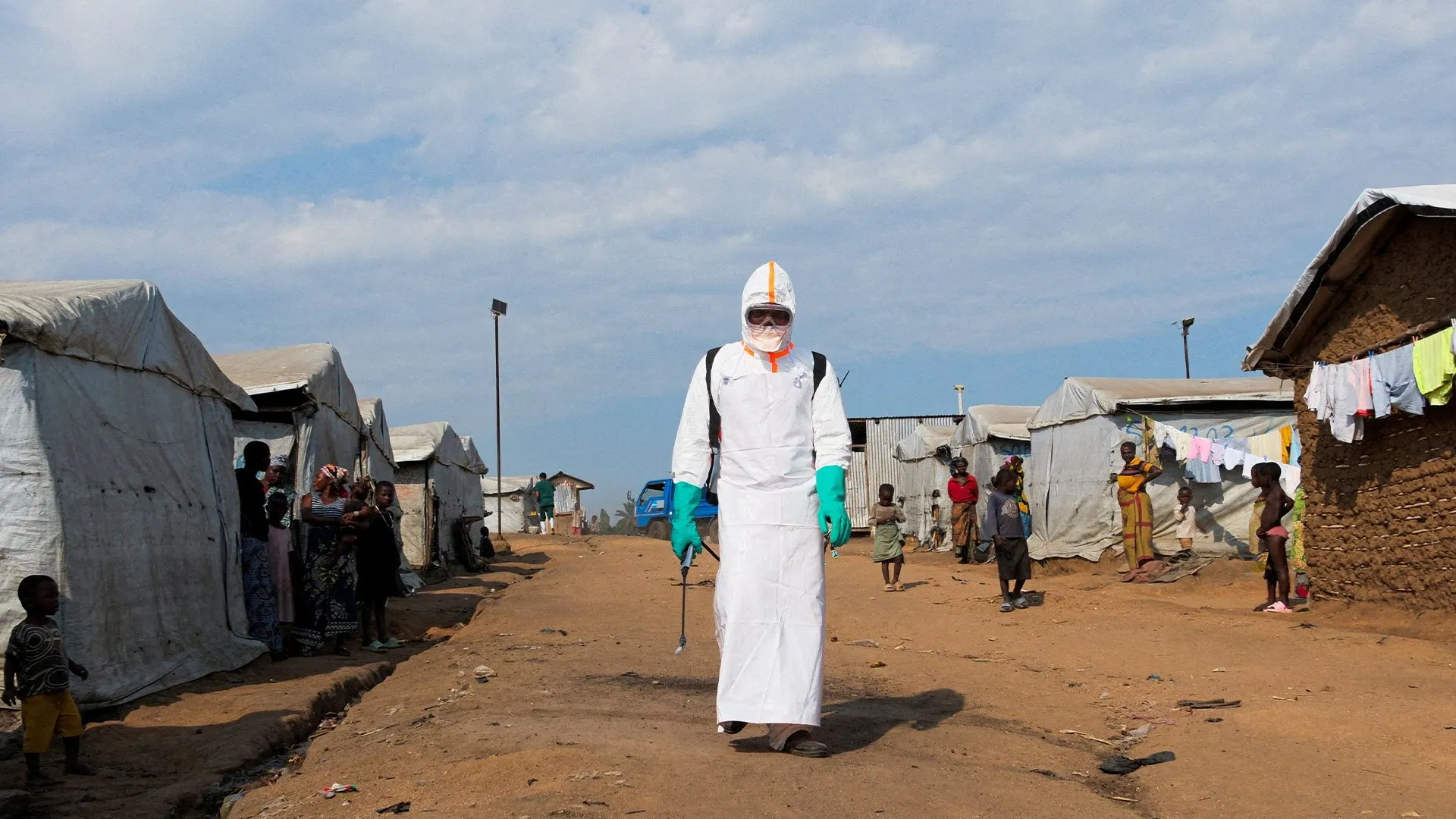
Ebola Death Toll Mounts in Eastern and Northeastern Congo
The Democratic Republic of Congo is grappling with a devastating Ebola outbreak that shows little sign of slowing down, despite the recent arrival of 16,000 vaccine doses intended to help bring the crisis under control. Health authorities have issued stark warnings about the pace of the disease's progression, stating that approximately one person is dying from Ebola every thirty minutes in the affected areas.
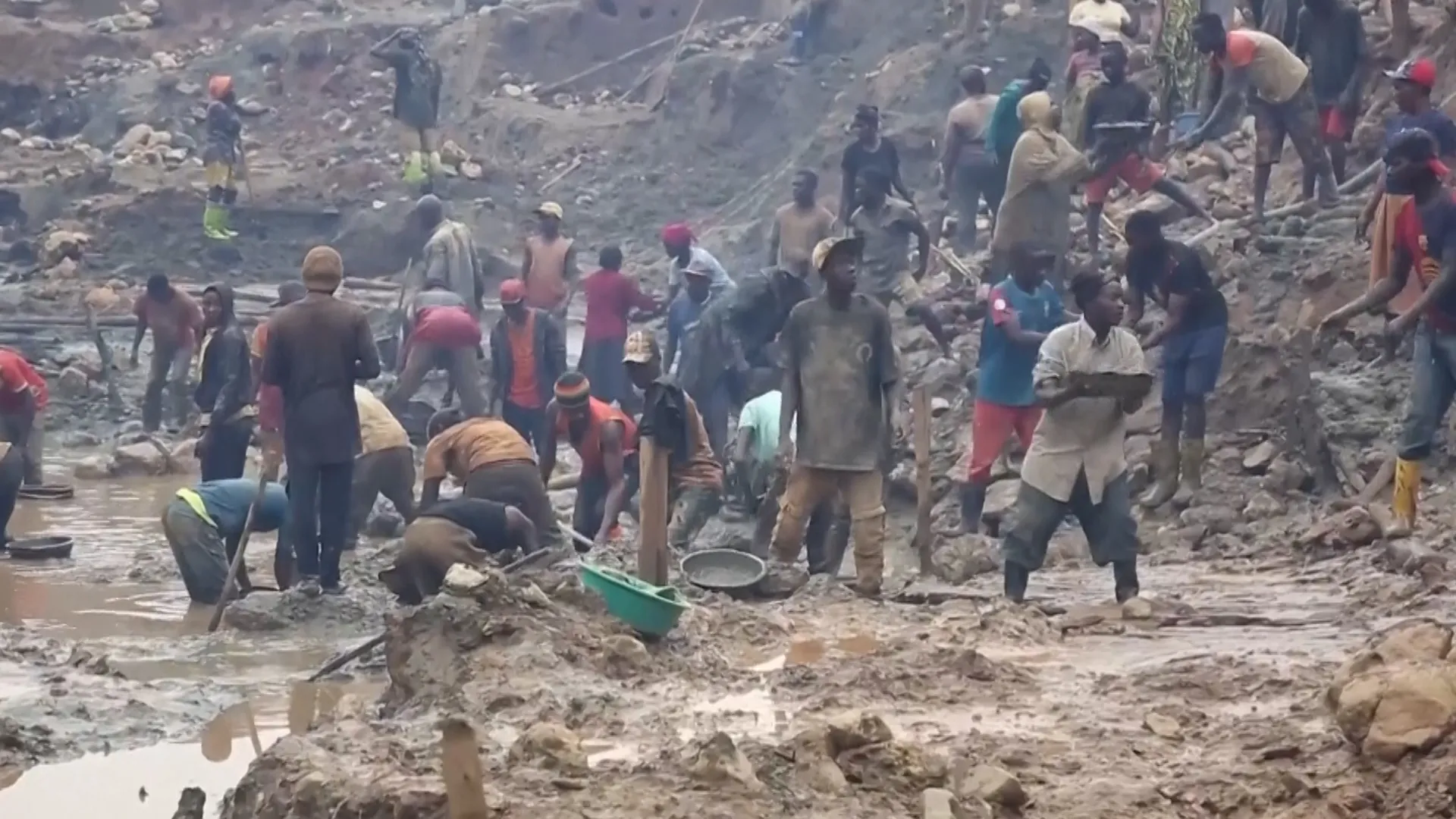
The outbreak is concentrated in the country's eastern and northeastern regions, zones that have historically struggled with healthcare access, insecurity, and limited infrastructure. These conditions have made it significantly more difficult for responders to contain the virus and reach vulnerable communities in a timely manner.
Scale of the Crisis Draws International Alarm
Public health officials are emphasizing the urgency of the situation, describing the rate of fatalities as deeply alarming. The figure of one death every thirty minutes underscores just how rapidly the disease is moving through affected communities, placing enormous pressure on local health systems that are already stretched beyond capacity.
Ebola, a hemorrhagic fever caused by the Ebola virus, is transmitted through direct contact with the bodily fluids of infected individuals. Without prompt medical intervention, the disease carries a high fatality rate. Symptoms typically include fever, severe headache, muscle pain, weakness, and in advanced stages, internal and external bleeding.
The DRC has experienced multiple Ebola outbreaks over the decades and has developed considerable experience managing the disease. However, recurring outbreaks — particularly in conflict-affected eastern provinces — continue to challenge even seasoned responders. The current situation is being described as one of the more serious episodes the country has faced in recent years.
Vaccine Doses Arrive Amid Ongoing Spread
The delivery of 16,000 vaccine doses represents a critical step in the response effort, though officials acknowledge that the supply alone will not be sufficient to halt transmission if distribution challenges persist. Getting vaccines to affected populations in remote or insecure areas remains a significant logistical hurdle.
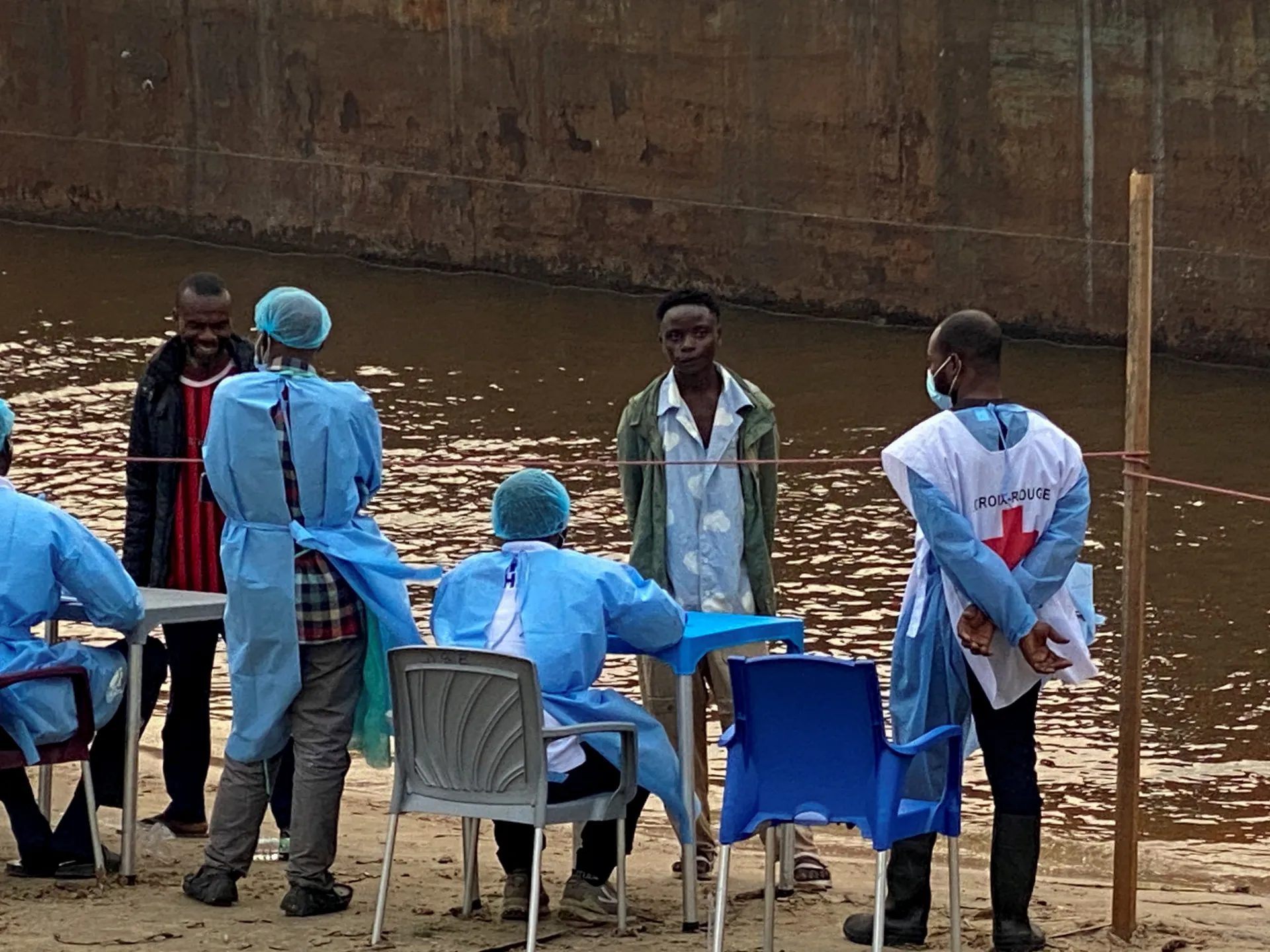
Vaccination campaigns during Ebola outbreaks typically use a strategy known as ring vaccination, in which healthcare workers identify and immunize people who have come into contact with confirmed cases. This method aims to build a protective barrier around known clusters of infection, preventing further spread to unaffected communities.
The effectiveness of this approach depends heavily on accurate contact tracing, community cooperation, and the ability of health teams to operate safely in the field. In parts of eastern DRC, ongoing armed conflict and community mistrust have previously complicated such efforts, and similar obstacles may factor into the current response.
Health System Under Severe Strain
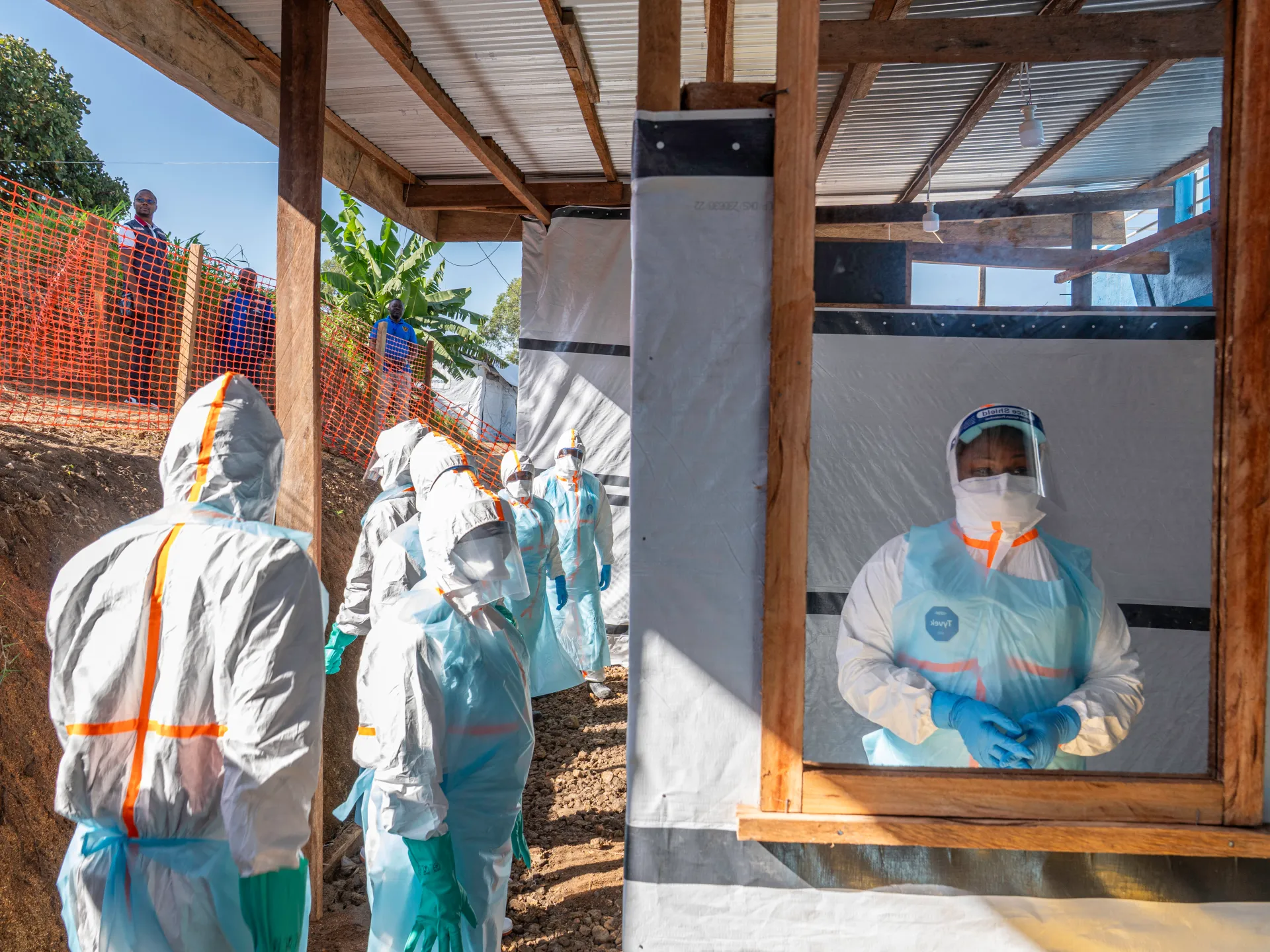
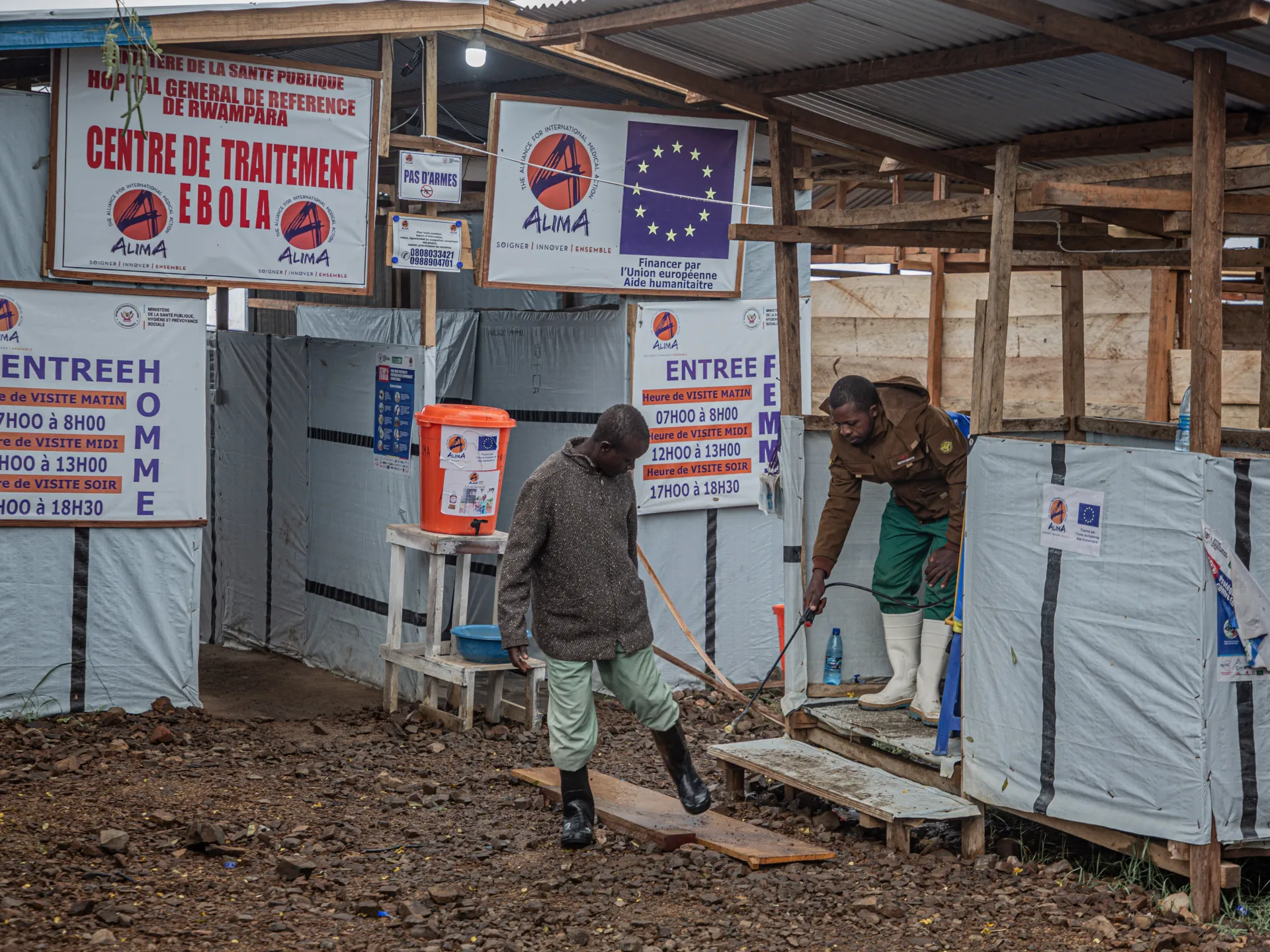
Medical personnel working in the outbreak zones are facing extreme conditions. Healthcare facilities in the affected regions are reportedly overwhelmed, with staff working extended hours under difficult circumstances. The risk of infection for frontline workers adds another layer of complexity to an already precarious situation.
Community health workers and international aid organizations have been instrumental in managing previous outbreaks in the DRC, and similar coalitions are expected to play a key role in the current response. Coordination between government health ministries, the World Health Organization, and non-governmental organizations will be essential in the weeks ahead.
Authorities are also focusing on public awareness campaigns to educate residents about transmission prevention, early symptom recognition, and the importance of seeking medical care promptly. Community engagement is considered one of the most effective tools in slowing the spread of Ebola, particularly in areas where health literacy or access to information may be limited.
Calls for Sustained International Support
As the situation continues to evolve, there are growing calls for sustained international support — both in terms of additional vaccine supplies and broader humanitarian assistance. The eastern DRC has long been one of the world's most complex humanitarian environments, and the Ebola outbreak adds yet another dimension to an already difficult landscape.
Health analysts warn that without a rapid and well-coordinated response, the outbreak could expand beyond its current geographic boundaries, potentially threatening neighboring communities and increasing the risk of cross-border transmission. Neighboring countries have been urged to strengthen their own surveillance systems as a precaution.
The arrival of vaccine doses offers a measure of hope, but health officials stress that it is only the beginning of what will need to be a comprehensive, well-resourced, and sustained campaign to contain the virus. The coming weeks will be critical in determining whether the outbreak can be brought under control or whether it continues to deepen.