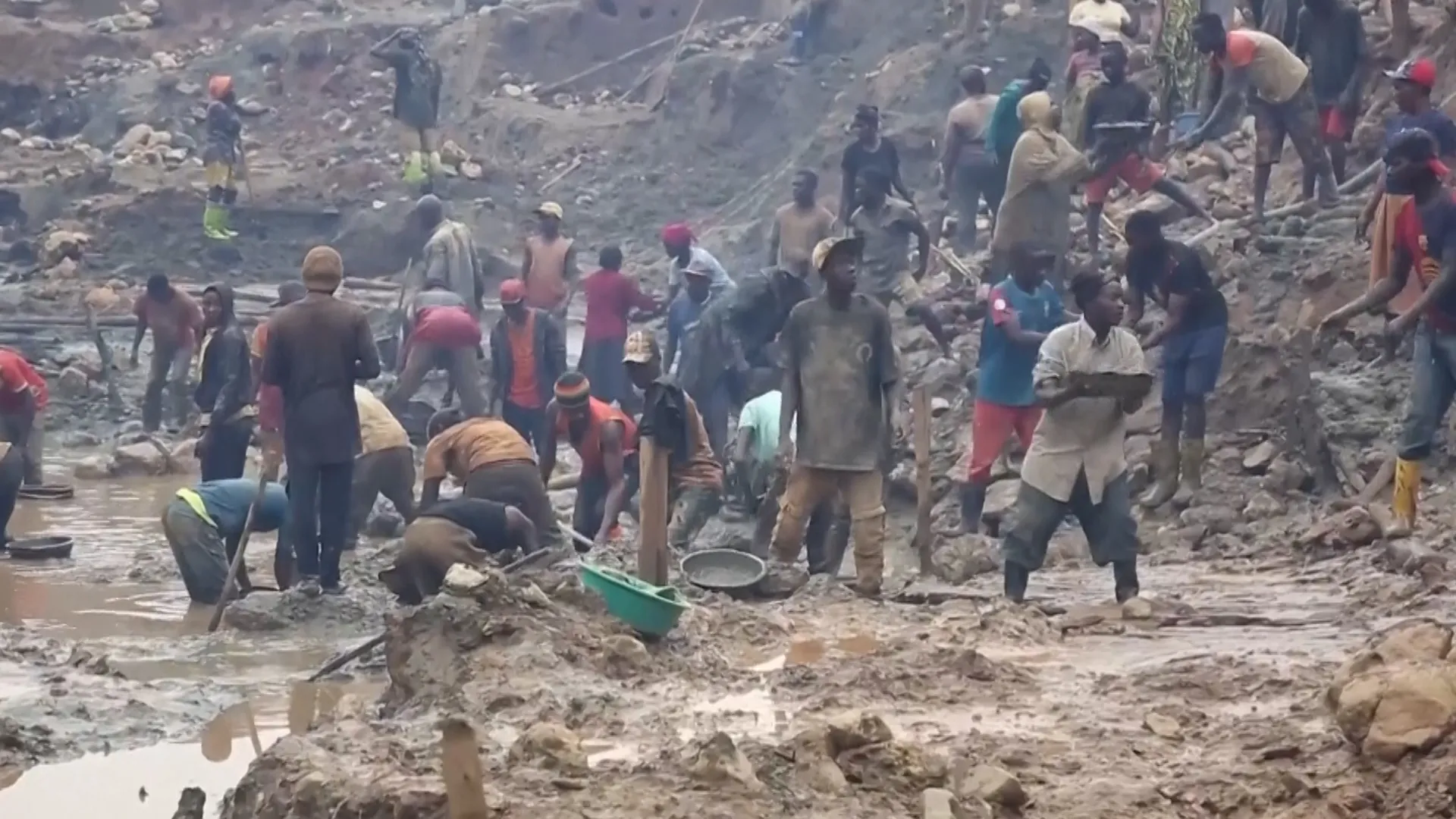
Economic Survival Forces Miners to Ignore Ebola Risks in DRC
In the Democratic Republic of Congo, a difficult and dangerous reality is unfolding deep within the country's mining communities. Workers in the sector continue to enter and move through areas affected by Ebola, driven not by recklessness but by economic desperation. For many of these individuals, stopping work simply is not a viable option — it means no income, no food, and no way to support their families.
The situation highlights a broader tension that health officials frequently encounter during disease outbreaks in low-income regions: when survival itself is at stake, public health guidance can become secondary to immediate economic need.
The Challenge of Containing a Mobile Workforce
One of the most significant obstacles facing health authorities trying to manage the Ebola outbreak in the DRC is the sheer mobility of the mining population. Miners regularly travel between towns, villages, and work sites, often crossing through multiple communities in a short period of time. This constant movement creates numerous opportunities for the virus to spread beyond established containment zones.
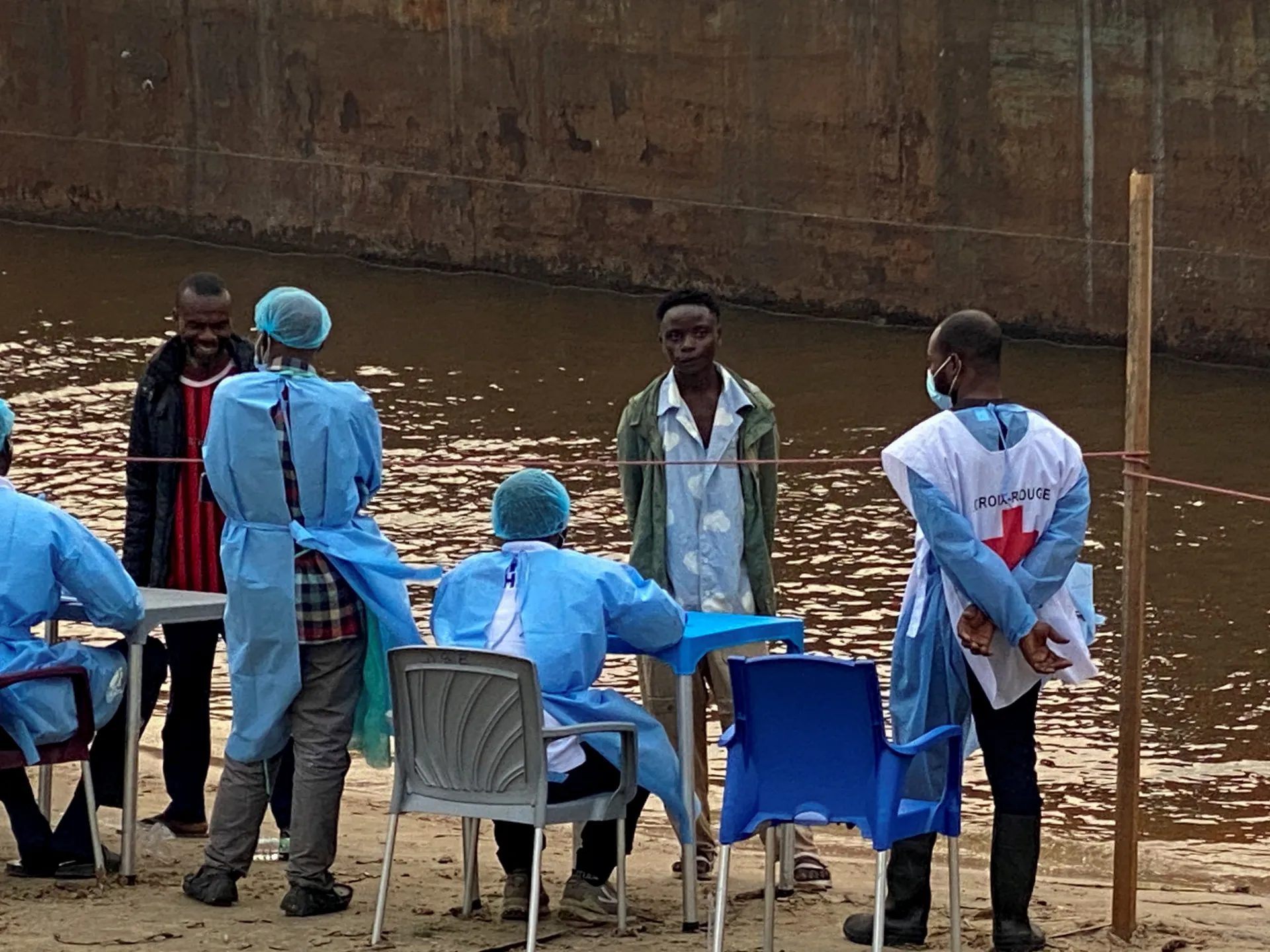
Contact tracing — a cornerstone of Ebola response efforts — becomes increasingly complex when individuals are moving frequently and across wide geographic areas. Health teams working in the region must continuously adapt their strategies to account for a workforce that cannot easily be asked to remain in one place.
Why Miners Say They Have No Alternative
When asked about the risks they face, many miners are candid about their situation. They are not unaware of the dangers Ebola presents — the virus is well known in the DRC, a country that has experienced multiple outbreaks over the decades. However, awareness of a threat does not automatically translate into the ability to avoid it.
For workers in artisanal and small-scale mining operations, there are rarely safety nets to fall back on. There is no paid sick leave, no government stipend, and in many cases, no savings to draw upon. The choice, as many miners describe it, is stark: go to work and risk infection, or stay home and face hunger.
Miners in the DRC say they understand the risks of Ebola but feel they have no other option — their families depend entirely on the income they generate each day.
Ebola's Recurring Presence in the DRC
The Democratic Republic of Congo has a long and painful history with Ebola. The country has recorded more outbreaks of the disease than any other nation in the world, with some of the most severe episodes occurring in its eastern provinces — regions that also happen to be rich in minerals and home to large numbers of mining workers.
This overlap between high-risk Ebola zones and economically active mining areas is not coincidental. Remote, resource-rich regions often lack robust healthcare infrastructure, making disease surveillance and response more difficult. At the same time, poverty levels in these areas mean that the population has limited capacity to absorb the economic shock of an outbreak.
Public Health Response and Its Limitations
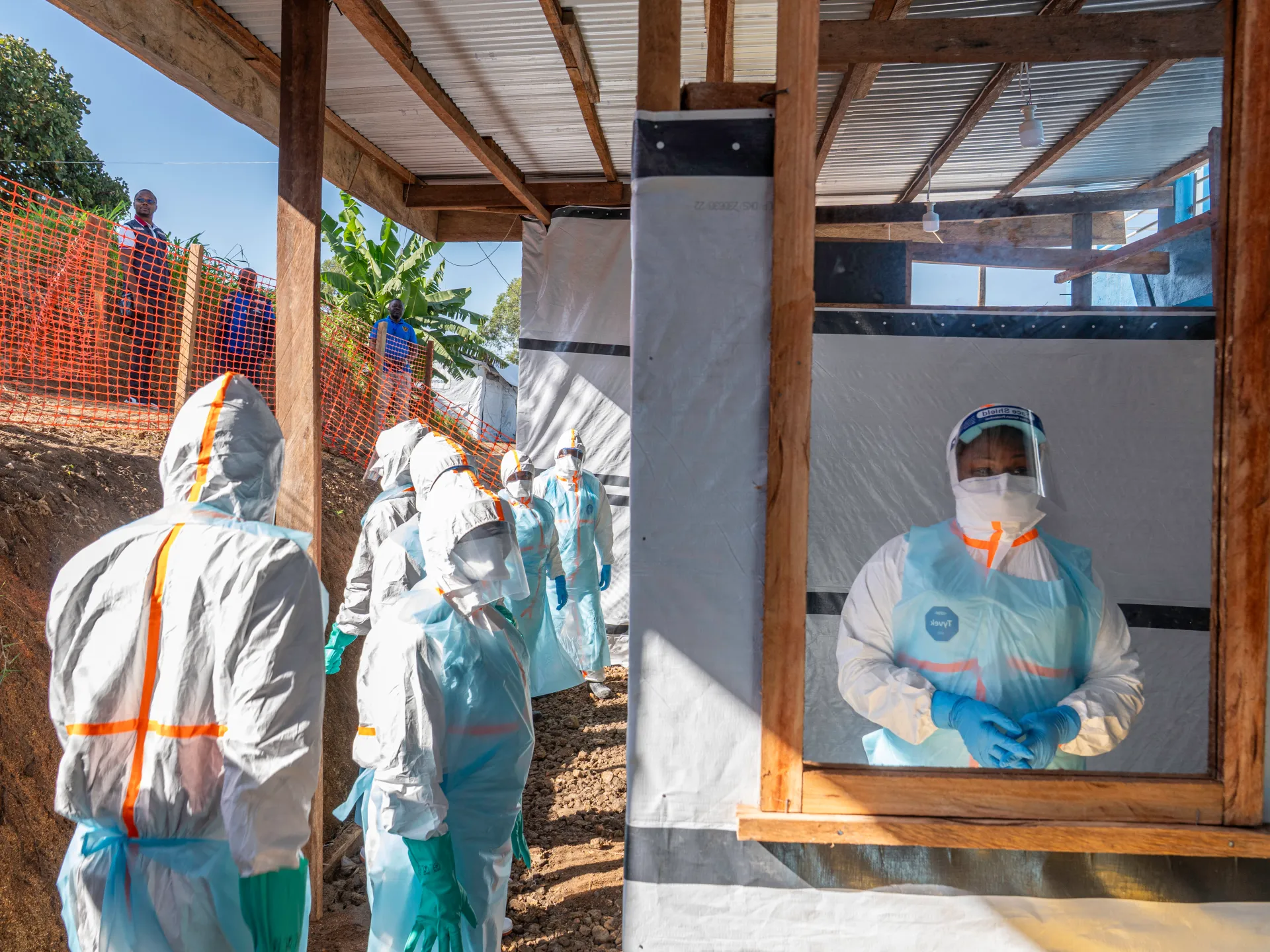
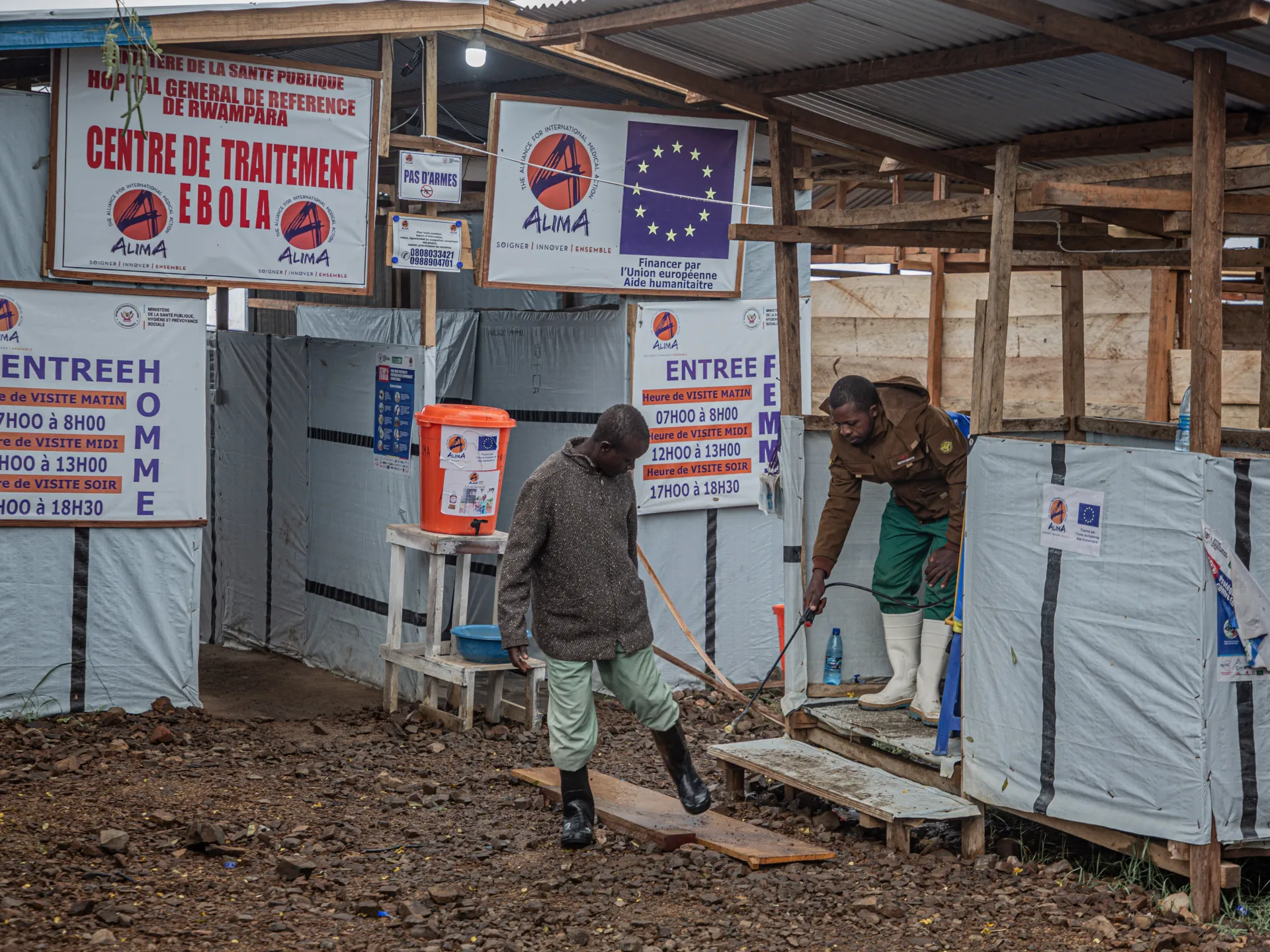
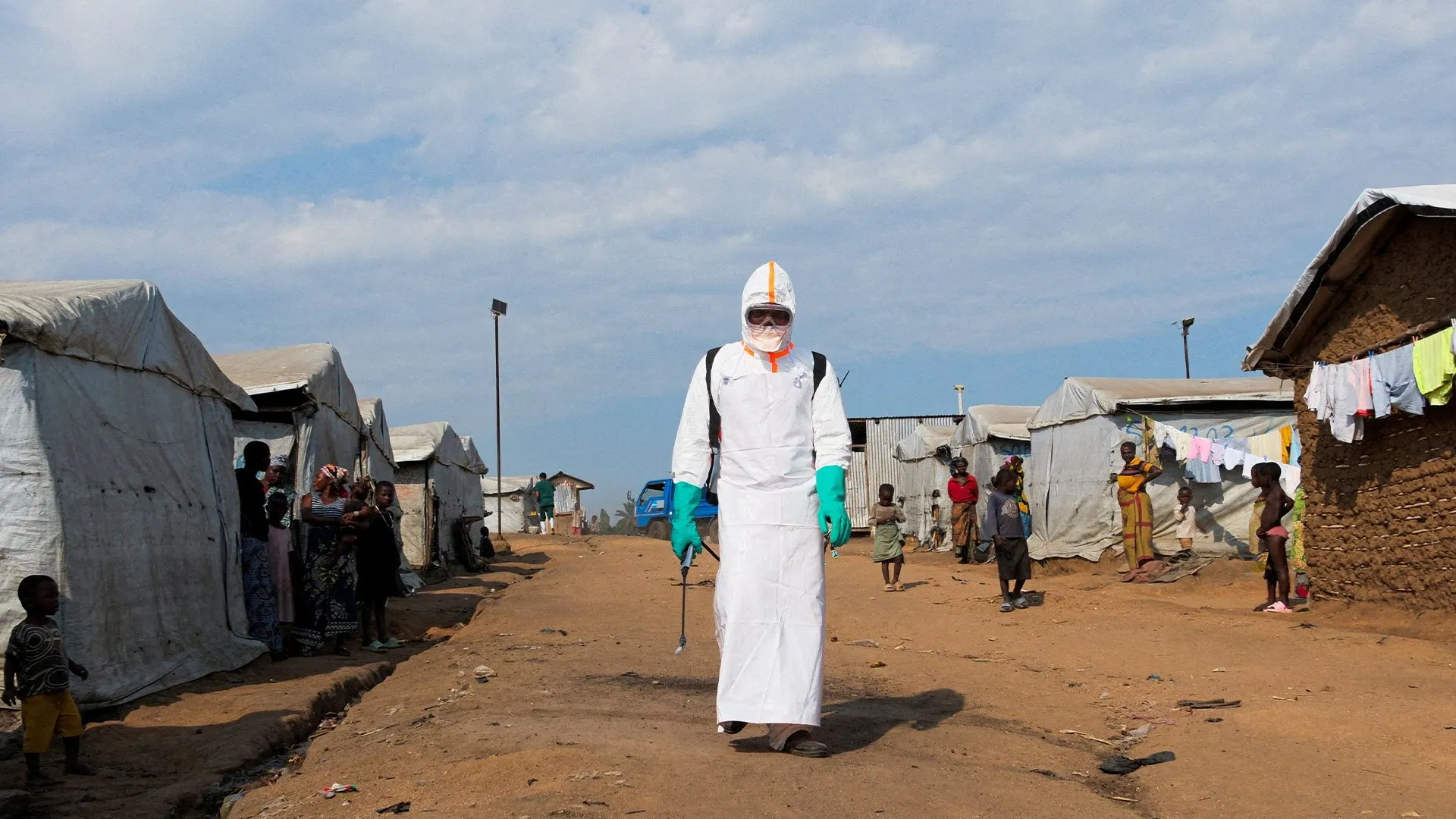
Authorities and international health organizations have deployed teams to affected areas, working to vaccinate communities, trace contacts, and educate people about transmission prevention. Vaccination campaigns have been a particularly important tool in recent DRC outbreaks, with health workers often heading directly into mining camps and remote villages to administer doses.
However, reaching a mobile and sometimes wary population presents ongoing difficulties. Mistrust of outside health workers has historically been a barrier in parts of eastern DRC, stemming from years of conflict and political instability in the region. Building trust takes time — a resource that is scarce during an active outbreak.
A Broader Systemic Issue
The situation facing DRC miners is not unique to this outbreak. Across various parts of sub-Saharan Africa and other developing regions, disease outbreaks frequently collide with economic vulnerability, creating conditions in which individuals must choose between their health and their livelihood.
Public health experts have long argued that sustainable outbreak responses must go beyond medical intervention alone. Addressing the economic dimensions of an outbreak — including providing some form of financial support to those who are asked to isolate or reduce movement — can be critical to achieving meaningful containment.
Without such measures, communities facing poverty will continue to make the only rational decision available to them: keep working, keep moving, and hope for the best. In the DRC, as the Ebola situation continues to develop, the lives and choices of its mining workers offer a sobering illustration of what happens when economic necessity and public health come into direct conflict.