Former Assad Religious Official Convicted of War Crimes
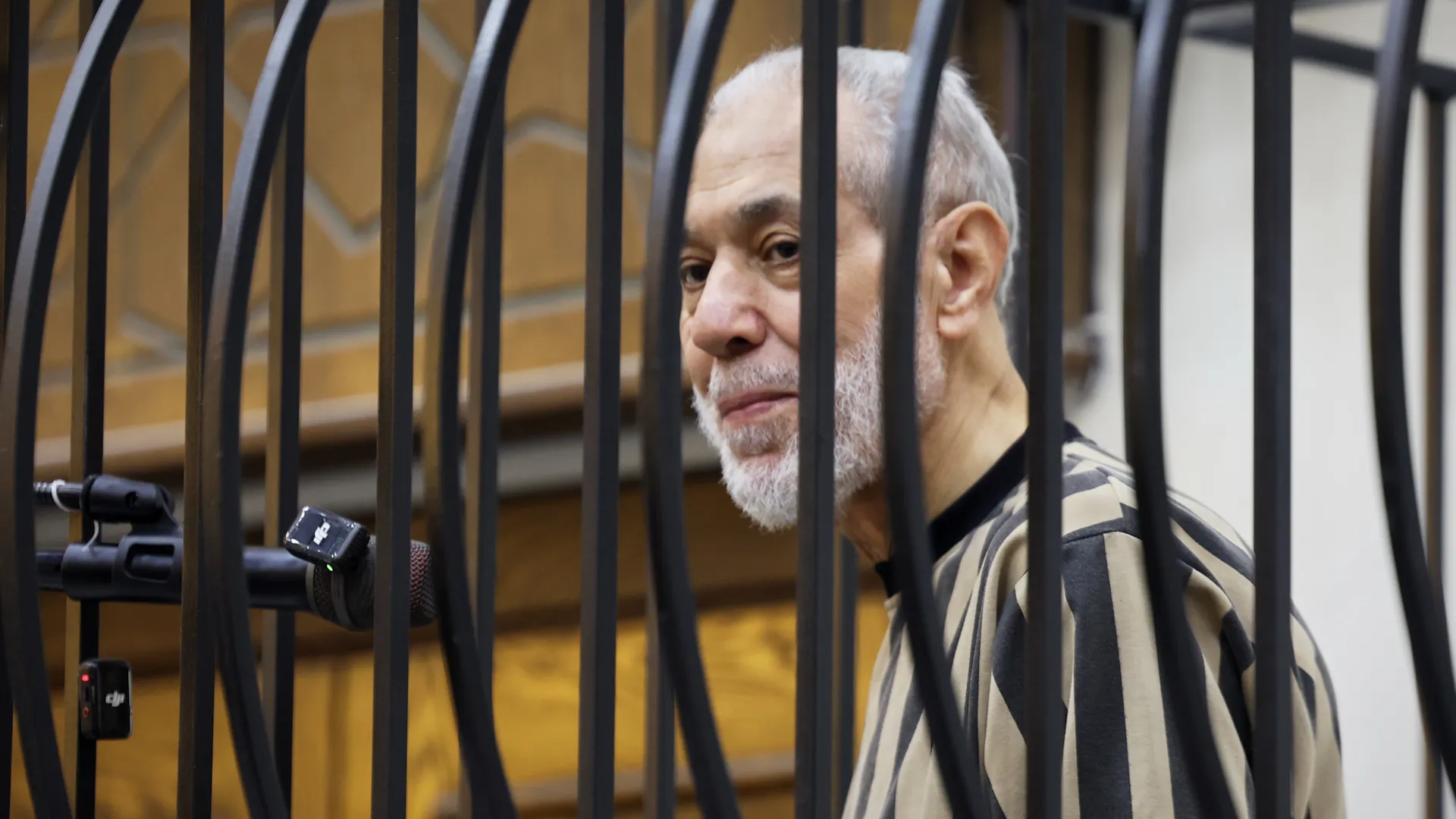
Ahmad Hassoun, one of the most prominent religious figures associated with the former government of Bashar al-Assad in Syria, has been sentenced to life in prison following a conviction on war crimes charges. The ruling marks a significant moment in Syria's ongoing efforts to pursue accountability for atrocities committed during nearly 14 years of devastating civil war.
Hassoun, who held the position of Grand Mufti of Syria under the Assad administration, earned the informal but damning nickname 'the barrel bomb mufti' due to his perceived role in providing religious and ideological cover for the regime's military operations. Barrel bombs — improvised explosive devices typically dropped from aircraft onto civilian populations — became one of the most widely condemned weapons used during the Syrian conflict, drawing international outrage from human rights organizations and foreign governments alike.
A Conflict That Defined a Generation
The Syrian civil war, which erupted in 2011 amid the broader wave of uprisings known as the Arab Spring, resulted in one of the most severe humanitarian catastrophes of the 21st century. Hundreds of thousands of people lost their lives, and millions more were displaced both within the country and across international borders. The conflict drew in regional and global powers, transforming what began as a domestic uprising into a deeply complex, multi-sided war.
Throughout the conflict, various parties were accused of committing serious violations of international humanitarian law. The Assad government, in particular, faced extensive documentation by United Nations investigators, independent journalists, and human rights groups detailing the use of chemical weapons, indiscriminate bombardment of civilian areas, enforced disappearances, and torture in detention facilities.
The Role of Religious Authority in Wartime
Hassoun's case draws attention to the role that religious institutions and figures played during the Syrian conflict. As Grand Mufti, he was considered one of the most authoritative Islamic voices within the Syrian state structure. Critics argued that his public statements and religious pronouncements were used to legitimize the government's military campaigns and discourage dissent among religiously observant Syrians.
His detractors accused him of providing theological justification for actions that international law classifies as war crimes. Supporters, by contrast, have historically portrayed him as a voice for moderation and interfaith dialogue — a characterization that opponents strongly dispute in light of the charges brought against him.
Accountability and Justice in Post-Assad Syria
The sentencing of Hassoun is part of broader legal proceedings taking place as Syria navigates a post-Assad era following the fall of the longtime government. New Syrian authorities have indicated a commitment to pursuing accountability for crimes committed during the civil war, though the process raises complex legal and political questions about the capacity of the country's judicial system and the standards applied in such trials.
International observers and human rights organizations have underscored the importance of ensuring that legal proceedings meet recognized standards of fairness and due process, particularly given the politically charged environment in which they are taking place. Concerns have been raised about whether defendants receive adequate legal representation and whether trials are conducted transparently.
International Dimensions of War Crimes Accountability
Syria's domestic accountability efforts exist alongside international legal mechanisms. Several cases related to Syrian war crimes have been pursued in European courts under the principle of universal jurisdiction, which allows national courts to prosecute individuals for certain grave offenses regardless of where they were committed. These cases have resulted in convictions of lower-level operatives and former intelligence officials who had relocated to Europe.
The International Criminal Court has not been able to take up Syrian cases directly, as Syria is not a signatory to the Rome Statute and a United Nations Security Council referral has been blocked by vetoes from Russia and China. This has made domestic and third-country prosecutions the primary avenues for formal legal accountability.
Significance of the Verdict
The life sentence handed to Ahmad Hassoun represents one of the most high-profile convictions linked to the former Syrian government's conduct during the civil war. Whether this signals a broader and sustained effort to hold senior figures accountable — including military commanders, intelligence officials, and political leaders — remains to be seen.
For many Syrians who suffered through years of conflict, the verdict carries deep symbolic weight, even as questions persist about the comprehensiveness and impartiality of the judicial process. Accountability, survivors and advocates argue, is a foundational step toward genuine national reconciliation and the rebuilding of trust in public institutions after more than a decade of war.