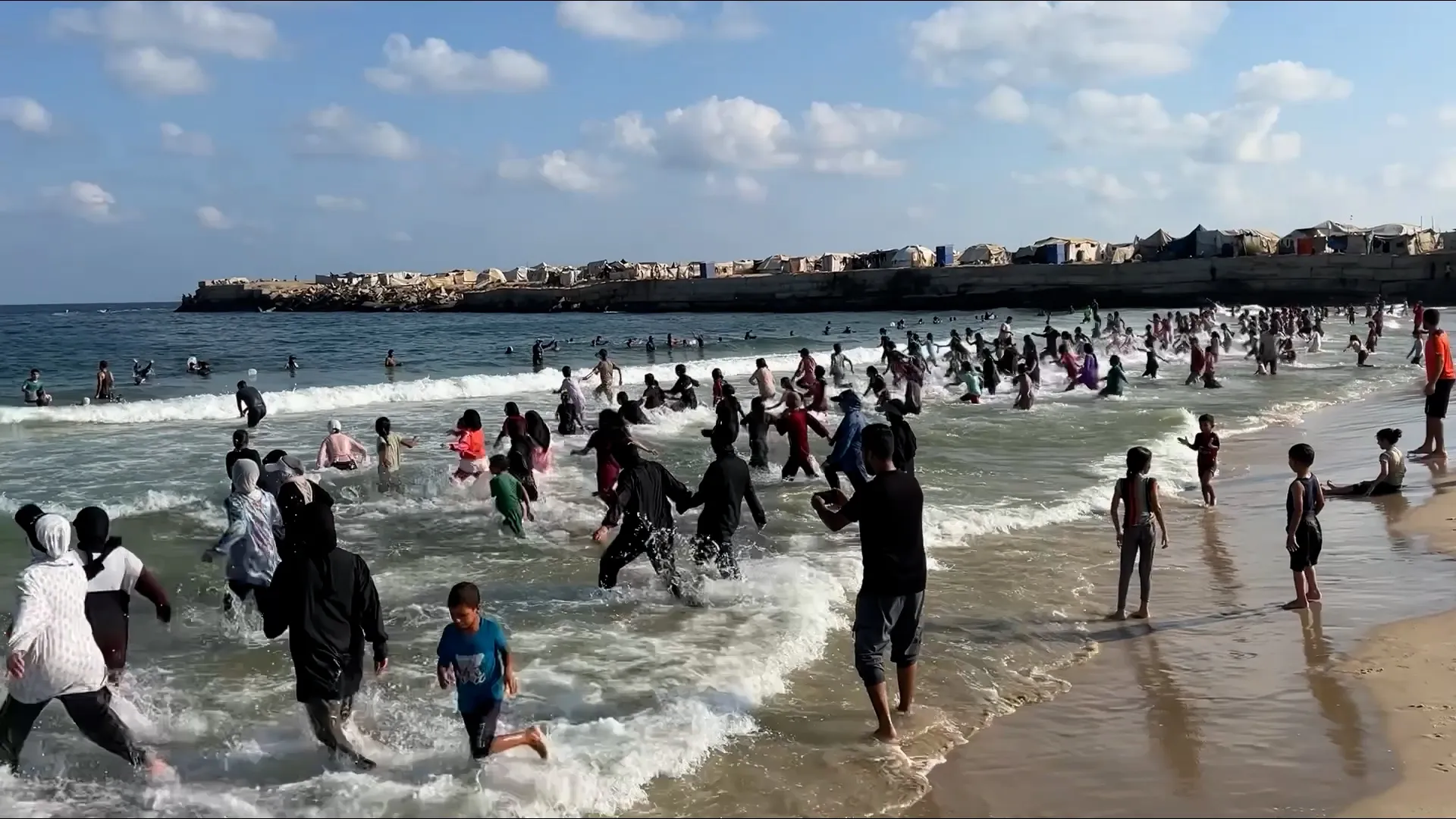
A Rare Moment of Normalcy for Gaza's Children
Along the coastline of Gaza, more than 1,300 Palestinian children recently gathered to take part in a mass swimming class — an initiative designed to keep young people physically active and provide a measure of psychological relief amid the devastating ongoing conflict in the territory.
The event, held on the shores of the Gaza Strip, represented one of the largest organized recreational activities for children in the region in recent memory. Organizers brought together participants from across the territory, creating an environment that, at least momentarily, allowed children to engage in a normal childhood activity despite the extraordinary hardships surrounding them.
Mental Health Crisis Among Gaza's Youth
The initiative comes against a backdrop of a severe and growing mental health crisis affecting Gaza's youngest population. According to available figures, approximately 1.1 million children in Gaza are currently in need of mental health support — a staggering number that underscores the psychological toll the conflict has taken on the territory's youth.
Experts and aid workers have long warned that prolonged exposure to violence, displacement, and loss can cause lasting psychological damage to children, including post-traumatic stress disorder, anxiety, depression, and behavioral difficulties. Providing structured activities, social interaction, and safe spaces for play are widely recognized as important components of psychosocial support for children living in conflict zones.
For many of these children, a swim in the sea represents far more than recreation — it is a connection to a sense of childhood that the conflict has largely taken away.
The Role of Community-Led Initiatives
Community-led efforts such as this swimming class have become increasingly significant in Gaza, where formal institutions and support networks have been severely disrupted by the conflict. Local organizers and volunteers have stepped in to fill gaps left by the deterioration of public services, creating programs aimed at addressing the physical and emotional needs of children and young people.
Swimming, in particular, offers several benefits beyond simple recreation. It is a form of physical exercise that can reduce stress and anxiety, encourages social bonding among participants, and provides children with a sense of achievement and confidence. For those who may have experienced significant trauma, engaging in group physical activities in a safe environment can serve as an important therapeutic tool.
Challenges of Organizing Activities During Conflict
Organizing any large-scale activity in Gaza presents enormous logistical and safety challenges. Infrastructure across the territory has been severely damaged, and the availability of basic necessities such as food, water, and medical care remains critically limited. Despite these obstacles, the swimming initiative demonstrated that community members remain committed to preserving a degree of normalcy for children wherever possible.
The event also highlights the resilience of Gaza's civilian population, who continue to seek ways to maintain community cohesion and support the wellbeing of younger generations even under extraordinarily difficult circumstances.
International Concern for Gaza's Children
The situation facing children in Gaza has drawn significant concern from international humanitarian organizations, child rights advocates, and United Nations agencies. Reports have consistently highlighted the disproportionate impact of the conflict on the territory's youngest residents, who make up a substantial portion of Gaza's total population.
Calls for increased access to humanitarian aid, mental health services, and educational resources for Gaza's children have been made repeatedly by international bodies. However, access to the territory has remained severely restricted, limiting the ability of outside organizations to deliver support on the scale that is needed.
The Importance of Continued Support
Events like the mass swimming class, while unable to address the full scope of the crisis facing Gaza's children, serve as an important reminder of the ongoing need for both local and international efforts to support the wellbeing of young people caught in conflict. They also draw attention to the resilience and determination of communities to protect childhood experiences even in the most challenging environments.
Child psychologists and humanitarian workers have consistently emphasized that activities providing joy, routine, and social connection are critical components of helping children process trauma and maintain mental health during and after periods of conflict. Programs that can be organized at a community level, with limited resources, play a particularly vital role when external support remains limited.
As the situation in Gaza continues to evolve, the need for sustained attention to the mental, physical, and social needs of the territory's children remains urgent. The swimming class on Gaza's shore may represent a small gesture, but for those 1,300 children who participated, it offered something genuinely valuable: a moment to simply be children.