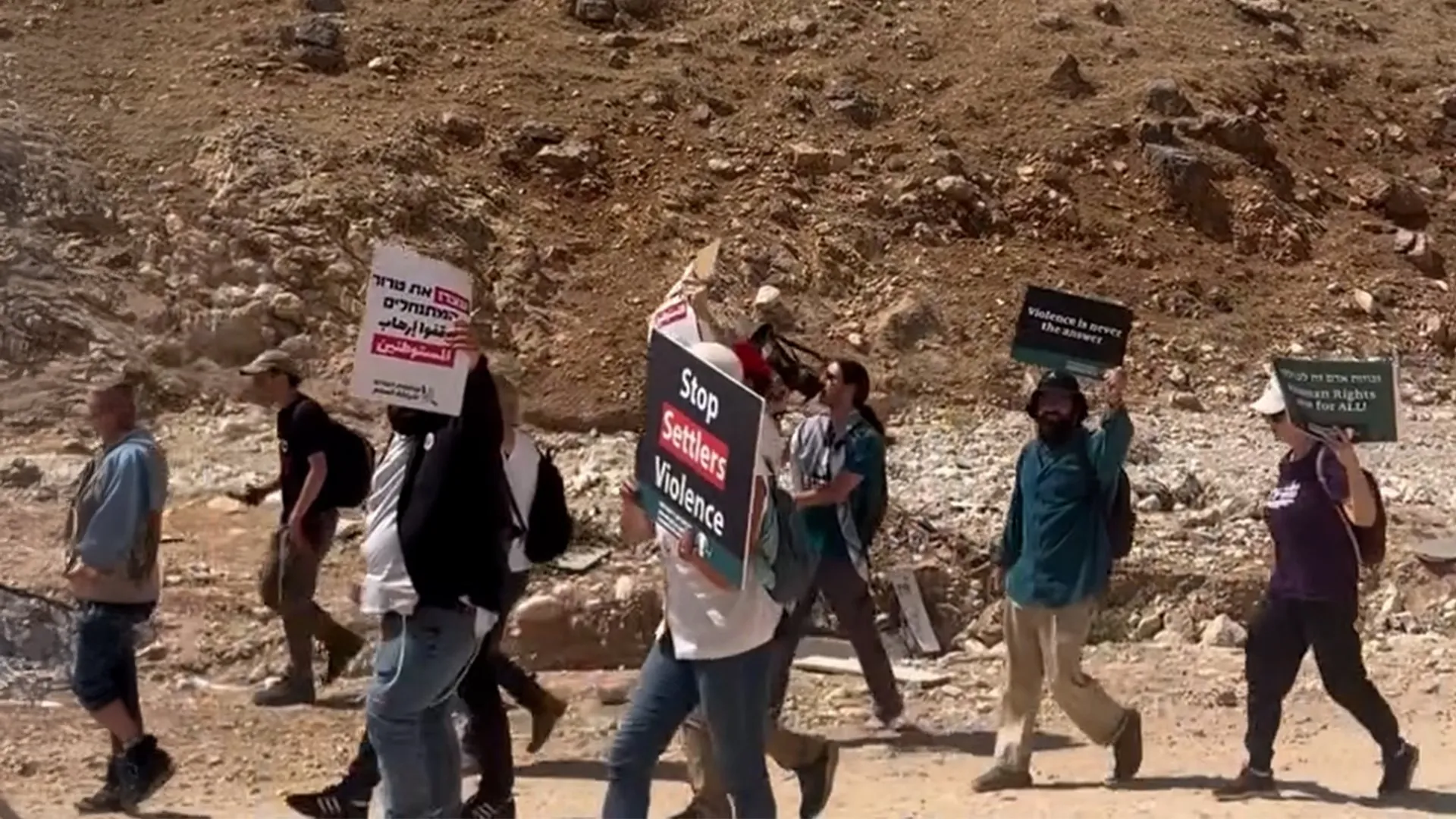
A Grassroots Effort to Shield Palestinian Communities
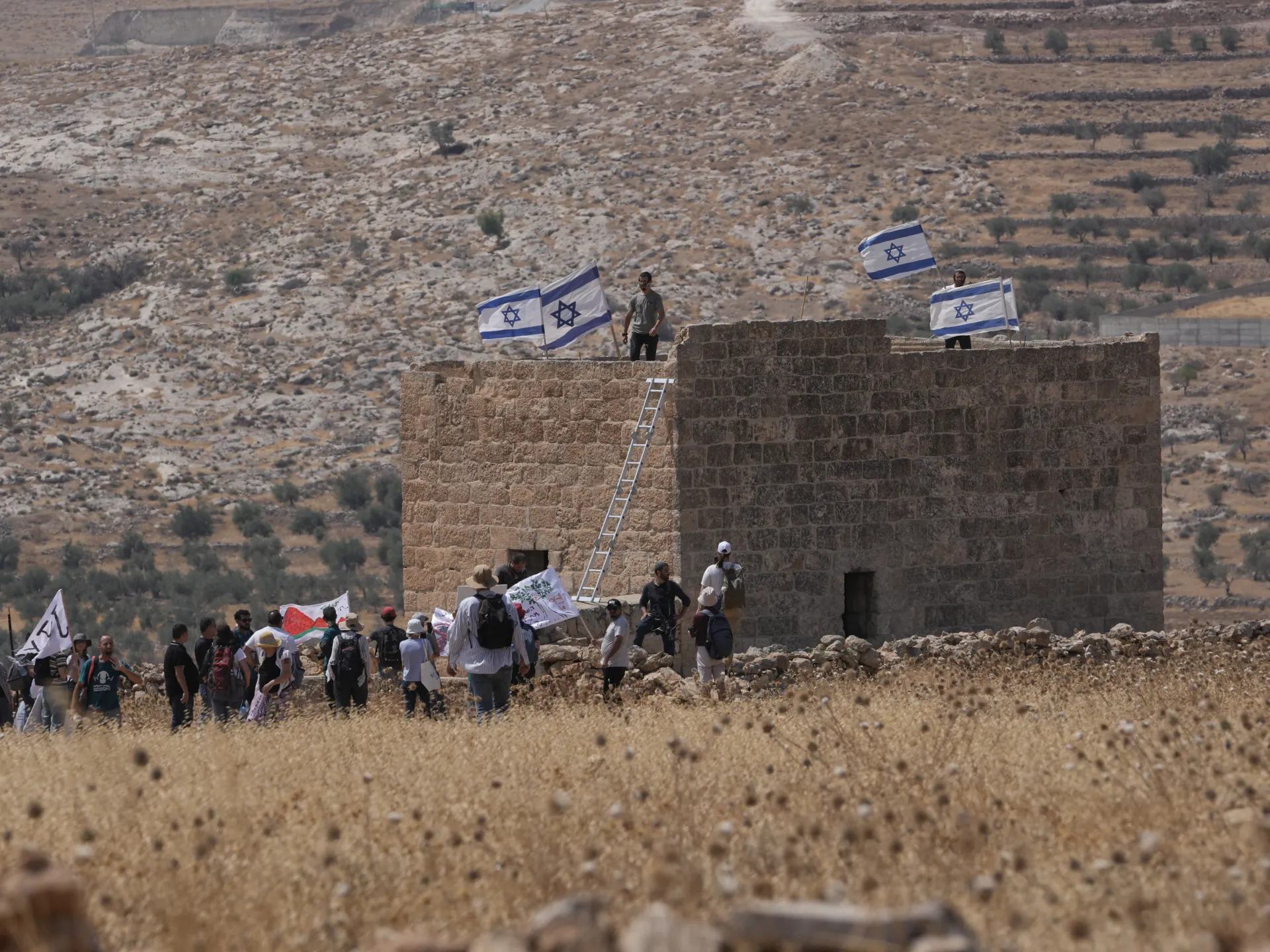
In the hills of the Occupied West Bank, an unusual form of solidarity is taking shape. Jewish activists have begun positioning themselves inside Palestinian villages as a form of nonviolent intervention, hoping that their presence alone will reduce incidents of settler violence and unauthorized incursions into local communities.
The initiative, described by participants as providing a "protective presence," reflects a growing internal debate within Jewish communities — both inside and outside Israel — over the conduct of settler populations in the West Bank and the broader consequences of the Israeli occupation.
What the Activists Are Doing
Rather than engaging in direct confrontation, the activists aim to act as a deterrent through visibility. By being physically present in vulnerable Palestinian villages, they hope to discourage settler groups from entering those areas with hostile intent. The approach is rooted in the belief that the involvement of Jewish individuals may reduce the likelihood of violence in ways that international observers or Palestinian residents alone cannot achieve.
The activists document incidents they witness, provide moral support to local Palestinian families, and in some cases alert human rights organizations or media when confrontations occur. Their work is largely voluntary and driven by personal conviction rather than any centralized political movement.
A Long-Standing Pattern of Tension
The West Bank has experienced persistent tension between Israeli settlers and Palestinian residents for decades. Settler communities, many of which are considered illegal under international law, have expanded significantly in recent years. Palestinian villagers and human rights groups have repeatedly reported incidents involving property destruction, agricultural sabotage, physical assaults, and intimidation carried out by settler groups.
Israeli authorities have faced ongoing criticism from international bodies and human rights organizations for what critics describe as inadequate responses to settler violence. The Israeli government, for its part, has maintained that security forces operate to protect all residents, though this position is disputed by many Palestinian communities and independent observers.
Internal Dissent Within Jewish Society
The actions of these activists highlight a significant and often underreported dimension of the Israeli-Palestinian conflict: the presence of dissenting voices within Jewish society itself. While Israeli politics has shifted considerably to the right in recent years, pockets of opposition — particularly among younger and diaspora Jewish communities — have grown more vocal in challenging settlement expansion and the treatment of Palestinians in occupied territories.
For many of these activists, their stance is framed not in opposition to Jewish identity, but as an expression of ethical and moral values they associate with that identity. They argue that silence in the face of injustice is itself a form of complicity, and that speaking out — even against policies supported by the Israeli government — is both a civic and moral responsibility.
"We are here because we believe that what is happening in these villages is wrong, and we cannot look away," one activist was quoted as saying while stationed in a West Bank community.
Palestinian Responses
Reactions from Palestinian villagers to the activists' presence have been varied. Some community members have expressed genuine appreciation, viewing the Jewish activists as allies in an environment where international attention can be inconsistent and local protections are limited. Others have approached the initiative with caution, mindful of the complex dynamics that come with any form of external involvement in their communities.
Palestinian advocates have also noted that while the protective presence of Jewish activists can be valuable in specific moments, it does not address the structural and political conditions that generate settler violence in the first place. Long-term solutions, they argue, must involve systemic policy changes rather than individual acts of solidarity alone.
Broader Implications
The movement reflects broader questions about the limits of civil action in conflict zones and the role that individuals can play in protecting vulnerable communities. It also underscores the complexity of identity, loyalty, and conscience in a region where political and cultural lines are rarely simple.
As the situation in the West Bank continues to attract international scrutiny, initiatives like this one illustrate that responses to the conflict are not monolithic — within Israeli society or the wider Jewish world. The debate over what it means to stand against injustice, and how to do so effectively, remains deeply contested on all sides.
Whether such grassroots efforts can contribute meaningfully to longer-term stability in the West Bank remains an open question. For now, the activists continue their work, driven by the conviction that bearing witness — and being present — matters.