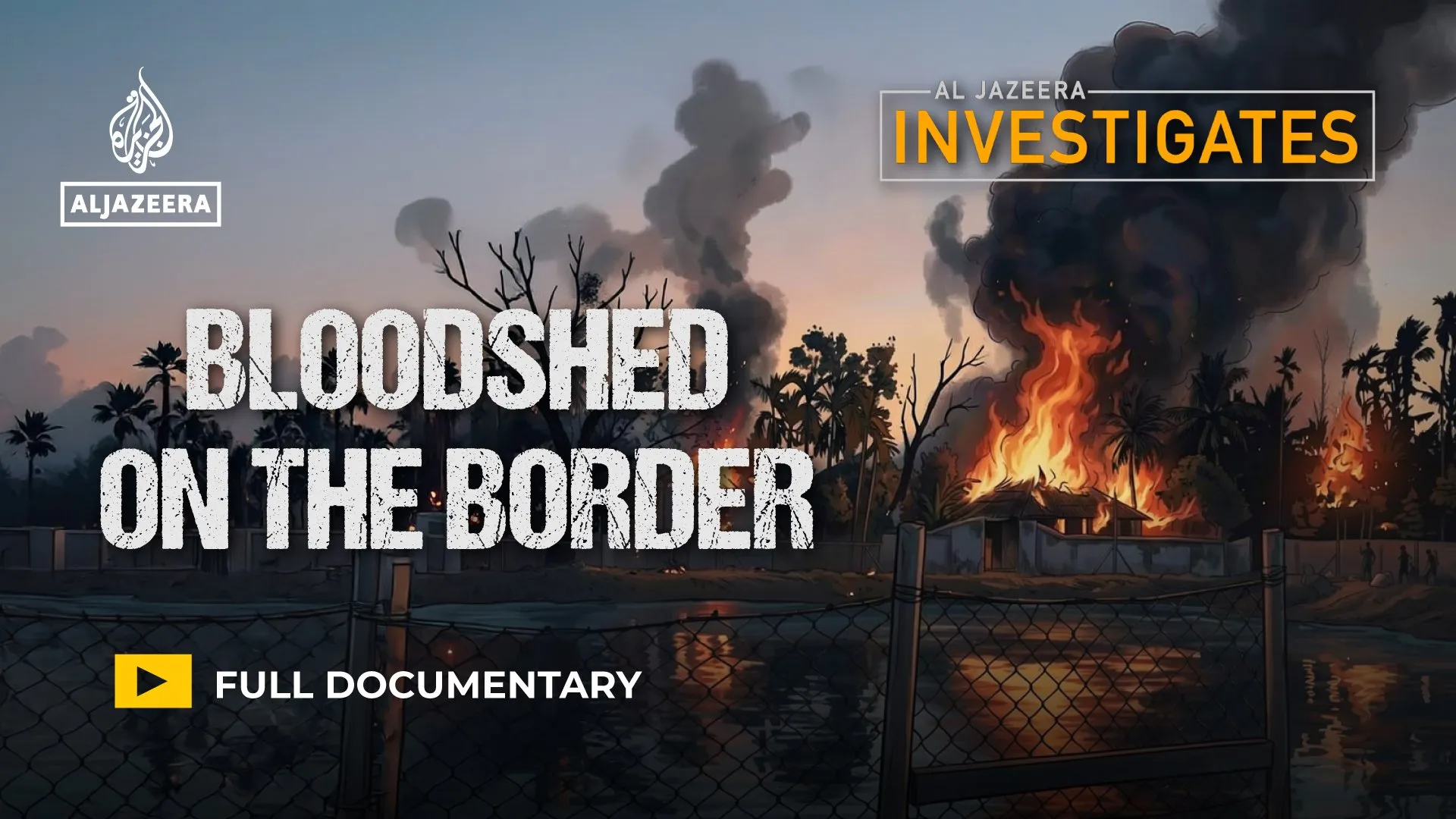
A Crisis Deepening in the Shadows of Civil War
Since Myanmar's military seized power in a coup in 2021, the country's civil conflict has escalated dramatically, with devastating consequences for the Rohingya — a Muslim minority group that has long been among the world's most persecuted populations. More than 150,000 Rohingya have been driven from their homes in the years following the coup, compelled to seek safety in neighboring countries across Asia.
The majority of those fleeing have made their way to Bangladesh, where roughly one million Rohingya already live in sprawling resettlement camps — among the largest of their kind anywhere on Earth. This earlier wave of displacement followed a brutal military crackdown in 2017 that drew widespread international condemnation and placed the Rohingya's suffering at the center of global human rights debates.
Caught Between Armed Factions
Today, the Rohingya face threats not only from Myanmar's military government but also from rebel armed groups operating in Rakhine State — the region the Rohingya consider their homeland. The Arakan Army, widely regarded as Myanmar's most powerful rebel organization, has taken control of large parts of Rakhine State, an area that remains largely closed off to outside observers and journalists.
Rohingya witnesses have alleged that the violence and oppression they now face under Arakan Army control mirrors the ethnic cleansing carried out by the military in 2017. Specific allegations include forced conscription of Rohingya men, targeted attacks on civilian communities, and mass killings in Rohingya villages. Both the Myanmar military and the Arakan Army deny these accusations and point blame at one another.
In a written statement, Myanmar's military alleged that the Arakan Army has been inciting hatred against Rohingya Muslims and has, according to its characterization, committed acts of genocide since consolidating control over much of Rakhine State. The Arakan Army, for its part, has previously denied carrying out targeted attacks against civilians, including two widely reported mass killings of Rohingya villagers.
Human Trafficking and Sexual Violence
Beyond the battlefield, investigations have also shed light on the alleged involvement of armed groups in the trafficking of Rohingya refugees out of Myanmar. Among those reportedly exploited through these networks are women and young children, some of whom are said to have been subjected to sexual violence and other forms of severe abuse.
These trafficking allegations add another deeply troubling dimension to an already complex humanitarian emergency. The Rohingya, with few legal pathways to safety and limited access to international protection, are increasingly vulnerable to exploitation at every stage of their displacement.
Rohingya Armed Groups and the Question of Accountability
Adding further complexity to the situation is the involvement of Rohingya armed factions aligned with Myanmar's military government. One such group, the Arakan Rohingya Salvation Army (ARSA), has been accused of actions that have worsened conditions for Rohingya civilians. When questioned, ARSA denied burning civilian homes, engaging in activities harmful to Rohingya communities, or encouraging refugees to take up arms against the Arakan Army.
The presence and activities of these Rohingya armed groups have complicated Bangladesh's efforts to repatriate refugees. Dhaka has been seeking to return all Rohingya refugees to Myanmar through a formal repatriation scheme, but the ongoing violence and increased armed activity have made progress on that front extremely difficult.
Bangladesh's Dilemma
For Bangladesh, hosting over a million Rohingya refugees has become an enormous political, economic, and logistical burden. The government has expressed a clear desire to see refugees return to Myanmar, but conditions on the ground remain far too dangerous and unstable for large-scale voluntary repatriation to occur safely. International organizations and human rights advocates have consistently warned that returning refugees to a conflict zone without adequate protections would put lives at serious risk.
A Largely Forgotten Emergency
Despite its scale and complexity, the Rohingya crisis has faded from the headlines in much of the world, even as the situation on the ground continues to deteriorate. Rakhine State remains difficult to access for journalists and independent monitors, making it challenging to verify claims made by any of the parties involved and to hold perpetrators accountable.
Investigations drawing on leaked documents, covertly recorded footage, testimony from Rohingya citizen journalists, and interviews with human rights researchers have sought to pierce through this information blackout. The findings paint a troubling picture of a minority group caught between multiple armed factions — the government military, rebel groups, and even armed elements within their own community — with little recourse and diminishing international attention.
As the conflict in Myanmar shows no clear signs of resolution, the Rohingya crisis continues to evolve, with profound implications for regional stability, international refugee law, and the broader global commitment to protecting vulnerable minority populations.