Trump's Renewed Engagement with North Korea: A Diplomatic Calculus
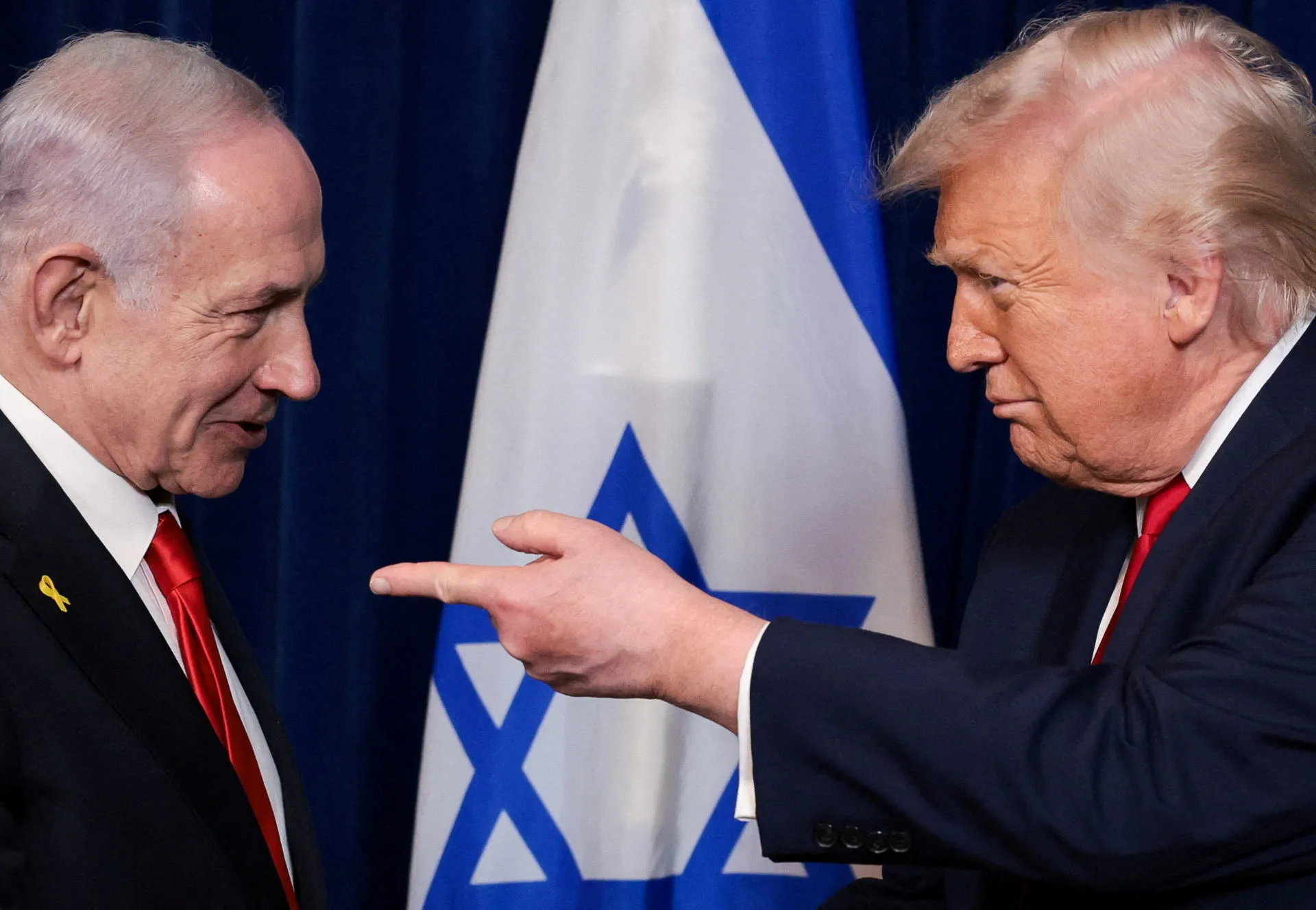
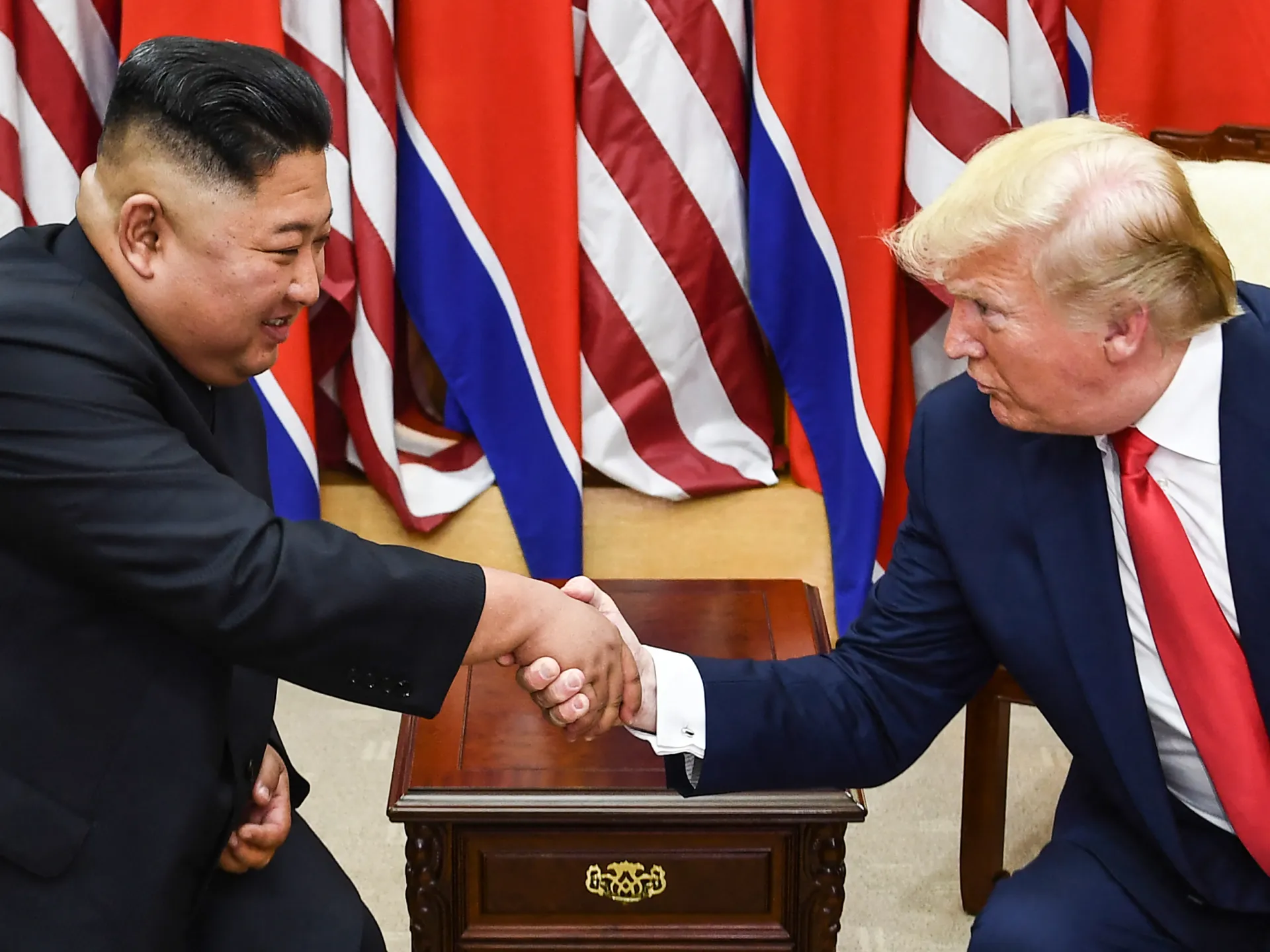
Former U.S. President Donald Trump has recently rekindled discussions surrounding his relationship with North Korean leader Kim Jong Un, a development that has drawn considerable attention from international observers. This renewed engagement follows Trump's public praise of Kim and his criticism of South Korea, a key U.S. ally, for its perceived lack of cooperation in the ongoing conflict with Iran. These actions echo a contentious period of diplomacy from his first term and suggest a multifaceted strategy.
Trump stated that his recent outreach to Kim Jong Un received a "very positive" response. This announcement came shortly after he reportedly directed the Pentagon to reduce military exercises with South Korea, drills traditionally designed to prepare for potential conflict with Pyongyang. The former president has frequently asserted that his personal connection with Kim, cultivated through three meetings during his presidency, has contributed to a safer Korean Peninsula. Reports from The Wall Street Journal indicate that Trump is actively seeking a meeting with Kim as early as this autumn, potentially ahead of the November midterm elections.
Underlying Motivations for Engagement
Analysts suggest that a potential summit with Kim, regardless of its outcome, could serve as a political advantage for Trump, particularly given unresolved international issues such as the conflict in Iran and unfulfilled pledges regarding the Ukraine war. Beyond domestic political considerations, Trump's approach to Kim may also be intended to exert pressure on South Korea, a tactic consistent with his transactional diplomatic style.
Yong-Chool Ha, director of the Center for Korean Studies at the Henry Jackson School of International Studies, noted that Trump might be seeking to leverage South Korea's reluctance to fully engage in the Iran conflict and the slow pace of South Korean investments in the United States. Ha characterized this as a form of "tit-for-tat diplomacy," despite the long-standing alliance between the two nations.
Evolution of US-North Korea Relations Under Trump
During his first term, Trump's stance on North Korea evolved dramatically. Initially, in 2017, he famously threatened North Korea with "fire and fury" following reports of their advanced nuclear capabilities. However, a historic face-to-face meeting with Kim in Singapore in 2018 resulted in an agreement for the "complete denuclearization" of the Korean Peninsula. Subsequent meetings in Hanoi and the Korean Demilitarized Zone (DMZ) in 2019 failed to build significantly on this initial accord, despite Trump becoming the first sitting U.S. president to briefly step into North Korea.
Since these meetings, North Korea has continued to expand its missile and nuclear programs, conducting numerous tests and strengthening military ties with Russia. Despite these developments, Trump maintains that his relationship with Kim remains "unthreatening and respectful." Yong-Chool Ha speculated that Trump might believe previous summit failures were influenced by critics, such as former National Security Adviser John Bolton, who advocated for denuclearization or even regime change in Pyongyang. Ha suggested that Trump might now feel unconstrained and capable of striking a deal with Kim.
Leveraging South Korea: A Strategic Move?
Trump's recent criticism of South Korea, voiced on his Truth Social platform, included an abrupt announcement that he had ordered the scaling back of "inappropriate and hostile" military exercises with Seoul. He subsequently linked this decision to South Korea's perceived unwillingness to assist in the U.S.-Israel conflict against Iran. Trump remarked, "We can’t go around and protect all of these countries, especially when they’re not there to help us."
The Ulchi Freedom Shield exercises, which typically last 11 days, are crucial for preparing for potential conflict with North Korea. The United States maintains approximately 28,500 troops in South Korea, a legacy of the 1950-53 Korean War, which concluded with an armistice rather than a peace treaty. Reducing these drills creates tension for Seoul, which relies on Washington for deterrence against North Korea. Pyongyang, for its part, views these exercises as rehearsals for an invasion.
Eugene Park, an East Asia historian at the University of Nevada, suggested that Trump's decision reflects evolving U.S. strategic priorities. He noted that the U.S. military faces greater demands globally than during Trump's first term, including ongoing commitments in the Middle East and concerns about force readiness. Park added that the conflict in Iran has reshaped the geopolitical landscape for Korean Peninsula diplomacy, providing Washington with a strong incentive to avoid another major crisis beyond the Middle East.
Financial considerations are also likely a factor. Rachel Minyoung Lee, a senior fellow for the Stimson Center’s Korea Program, posited that Trump may have used the drills as leverage to "expedite South Korea’s investment and possibly to lay the groundwork for increasing South Korea’s defence cost-sharing." Trump has consistently advocated for a more symmetrical alliance, with Seoul assuming greater responsibility for regional security and increasing its contributions to the cost of hosting U.S. troops.
Economic tensions could also play a role. During his first administration, Trump renegotiated a bilateral free trade agreement and imposed tariffs on South Korean steel, initially threatening 25 percent tariffs before settling on 15 percent in exchange for South Korean investment and other commitments. Lee suggested that the lack of concrete steps from South Korea regarding investment in the U.S., a condition for the lower tariffs, might be a source of frustration for Trump.
A New Chapter in US-North Korea Relations?
Despite these developments, a new chapter in U.S.-North Korea relations is not yet a certainty. Minyoung Lee emphasized that North Korea remains distrustful of the U.S., particularly following the U.S.-Israeli actions against Iran, which Pyongyang has framed as evidence of Washington being an "untrustworthy actor and a disturber of the international order." Earlier this year, Kim Jong Un indicated that a prerequisite for friendly ties would be U.S. recognition of North Korea's "constitutional status," referring to its nuclear-armed status.
Lee concluded that even for Trump, who is keen to re-engage Kim, recognizing North Korea's nuclear status would be a significant concession. Overall, analysts believe Trump's decision to scale back joint military exercises with South Korea serves a dual purpose: to exert leverage over South Korea and to signal to the world, including Kim Jong Un, his continued interest in re-engaging with North Korea.