The Challenge of External Mediation
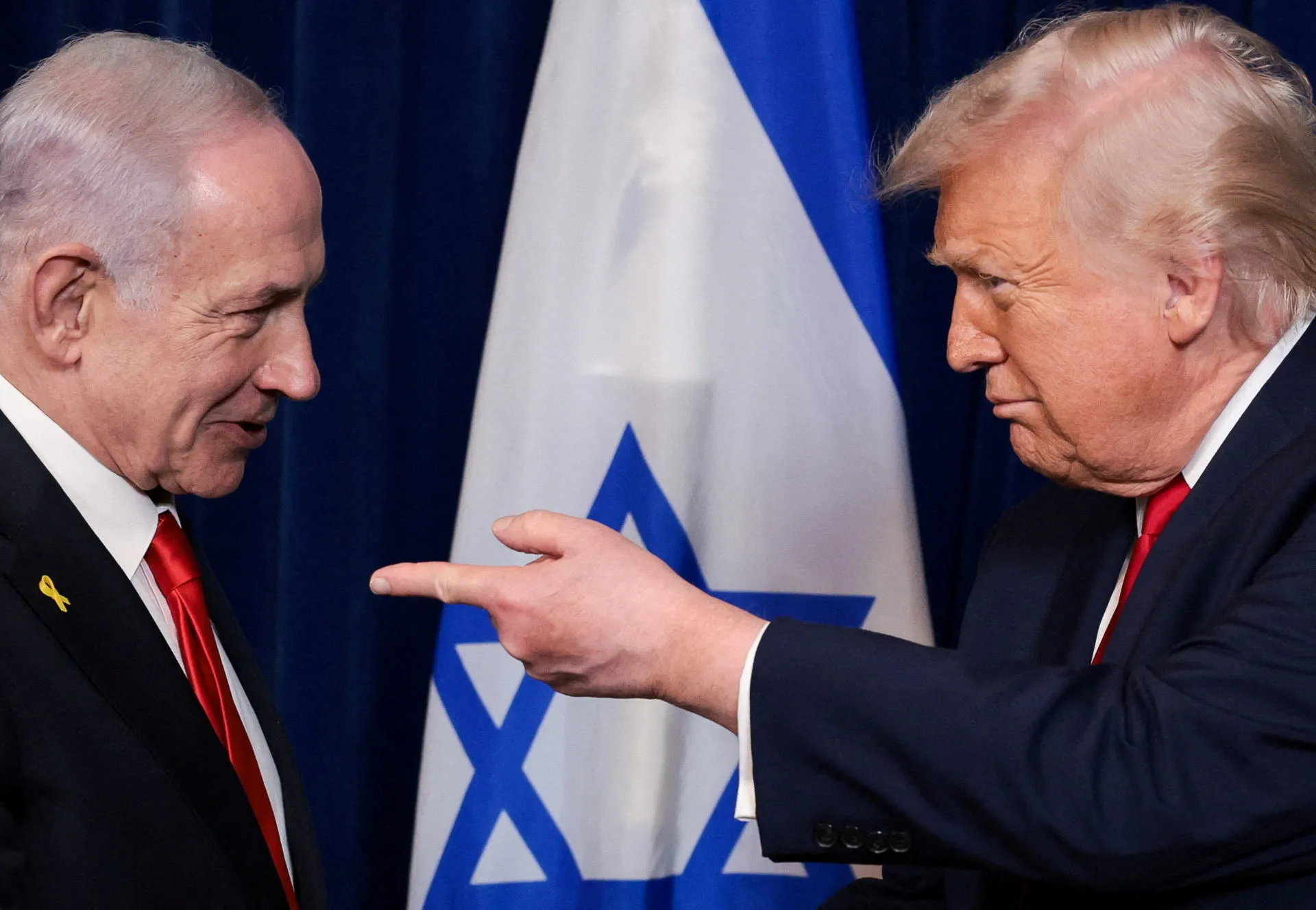
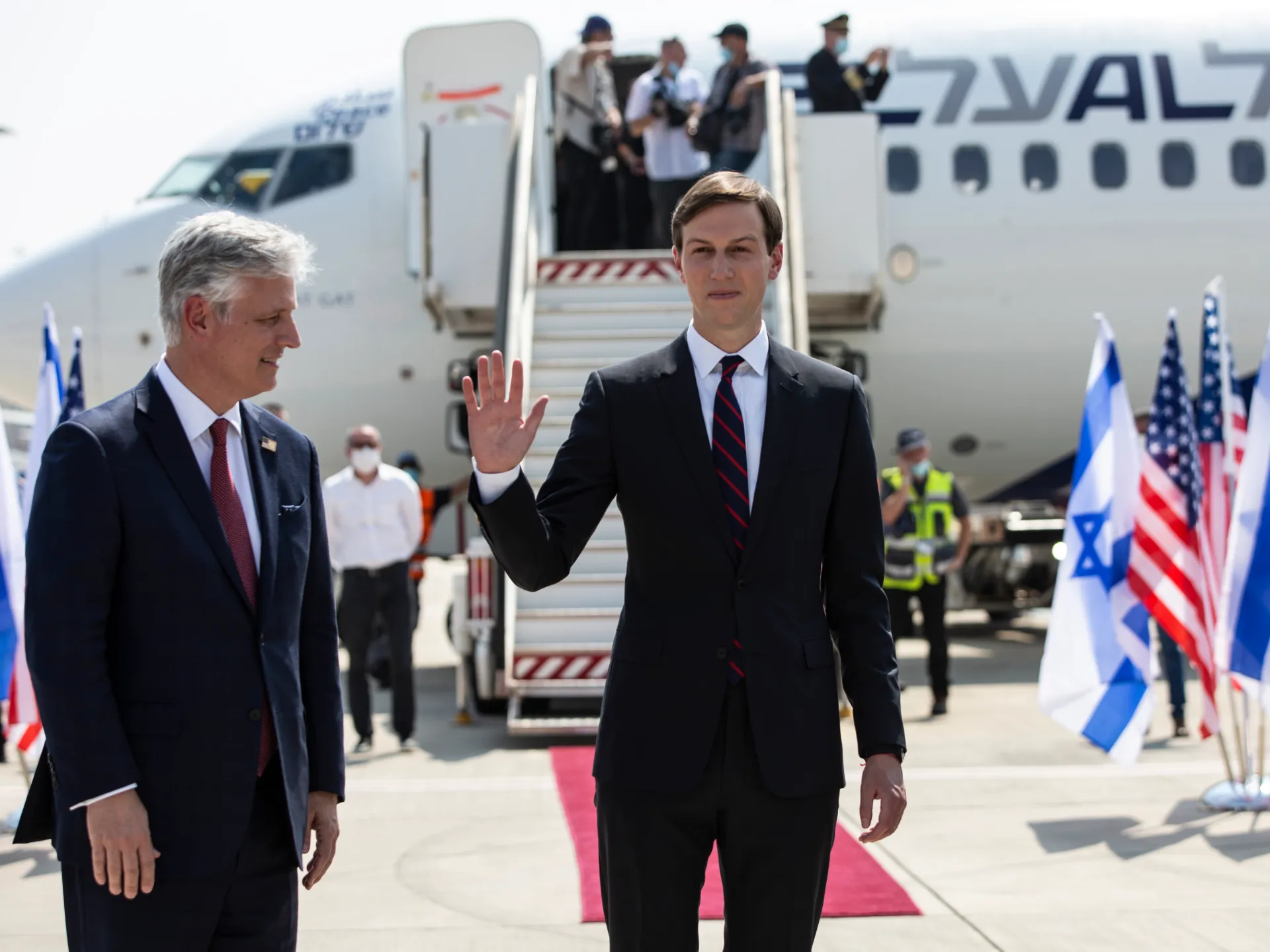
Recent attempts by US envoys to facilitate peace in the Middle East have frequently met with limited success, often encountering skepticism and outright rejection from key regional players. A notable instance involved a US envoy's visit to Israel, where discussions centered on a US-backed peace proposal for Gaza. Despite claims of a productive meeting, the Israeli Prime Minister reportedly dismissed the plan, particularly after its acceptance by Hamas. This scenario highlights a recurring theme: the difficulty of external parties in influencing the strategic decisions of national leaders, especially when such decisions are deeply intertwined with domestic political survival and national security narratives.
The Israeli Prime Minister's consistent stance on preconditions for peace, such as the disarmament of groups like Hamas and Hezbollah, has been a significant impediment to negotiations. This position is often perceived as obstructive by other parties involved in the peace process. From this perspective, the primary objective appears to be the deferral of comprehensive agreements, particularly those that might necessitate concessions or alter the existing security landscape. This approach allows the leader to maintain an image as a strong defender of national security, a crucial factor in domestic politics.
Domestic Politics and the 'Mr. Security' Persona
For certain leaders, engaging in ongoing conflicts, whether with Palestinian factions, Hezbollah, or other regional adversaries, serves to reinforce a particular political identity—that of a formidable 'Mr. Security.' This image is vital for garnering public support, especially in the lead-up to elections. Public opinion polls in Israel have frequently indicated a significant portion of the populace favors continued military action or the maintenance of existing security arrangements. For example, a substantial percentage of Israelis have expressed opposition to peace deals for Gaza, a desire for renewed conflict in the strip, or the continuation of a 'security belt' in southern Lebanon. A notable segment also supports sustained military operations against Iran.
These sentiments often translate into political backing for leaders who adopt a hawkish stance. For many supporters, the effectiveness of a leader is measured by their perceived ability to navigate a hostile international environment and protect national interests. Even when specific military or diplomatic initiatives face setbacks, the narrative of a strong, experienced leader capable of safeguarding the nation often prevails. This perception is further bolstered by the belief that external powers may not always act in Israel's best interests, leading to a reliance on leaders who are seen as assertive and independent in foreign policy.
The Intersection of Legal Challenges and Geopolitical Strategy
Beyond public perception and electoral considerations, the pursuit of ongoing conflict can also serve other strategic purposes for a leader. In instances where a leader faces legal challenges, maintaining a state of perceived national crisis can provide opportunities to manage or delay legal proceedings. Requests for recesses due to 'important political meetings' or claims of necessary interruptions for national security matters can be used to influence the pace and visibility of legal cases. This intertwining of national security, political survival, and personal legal battles creates a complex web of motivations that can make external mediation exceptionally difficult.
Furthermore, while prolonged conflict might appear detrimental to a nation's economy, it can paradoxically benefit certain sectors, such as the defense industry. Periods of heightened military activity can lead to increased defense spending, technological innovation, and a boost in related industries. While economic reports from organizations like the OECD may warn of the fiscal costs associated with sustained military engagement, these warnings often struggle to outweigh the political and strategic benefits perceived by leaders who have staked their survival on a platform of perpetual vigilance and strength.
Conclusion
The persistent challenge faced by White House envoys in swaying certain Israeli leaders stems from a deeply entrenched set of factors. These include the leader's strategic use of ongoing conflicts to cultivate a 'Mr. Security' image, critical for domestic political support and electoral success. This is often reinforced by public opinion that favors robust security measures and a cautious approach to peace agreements. Additionally, the complex interplay between national security imperatives, personal legal situations, and the economic benefits reaped by specific industries during conflict periods further complicates the landscape. For leaders whose political survival is intrinsically linked to a narrative of strength and unyielding defense, external diplomatic pressures often prove insufficient to alter deeply held strategic positions.