Eurovision Song Contest Implements New Hosting Criteria
The organizers of the Eurovision Song Contest, the European Broadcasting Union (EBU), have introduced updated regulations that will preclude any nation engaged in "armed conflict" or experiencing a "sensitive geopolitical situation" from hosting the popular annual competition. This decision, disclosed on Wednesday, comes amidst ongoing international conflicts and heightened scrutiny regarding participants.
This development unfolds as the conflict between Russia and Ukraine continues, alongside Israel's ongoing military actions in Gaza, its occupation of Lebanese territories, and security operations in the occupied West Bank. While Russia was banned from participating in the contest following its 2022 invasion of Ukraine, Israel has historically been permitted to compete and even host the event, despite considerable protest and boycotts from several countries in previous years.
Implications for Future Hosts and Participants
Under these new rules, Israel, which last hosted the contest in 2019 after winning in 2018, would no longer be eligible to host. However, the country would still retain its right to compete. This distinction highlights a nuanced approach by the EBU, balancing participation with the practical and security concerns associated with hosting a major international event.
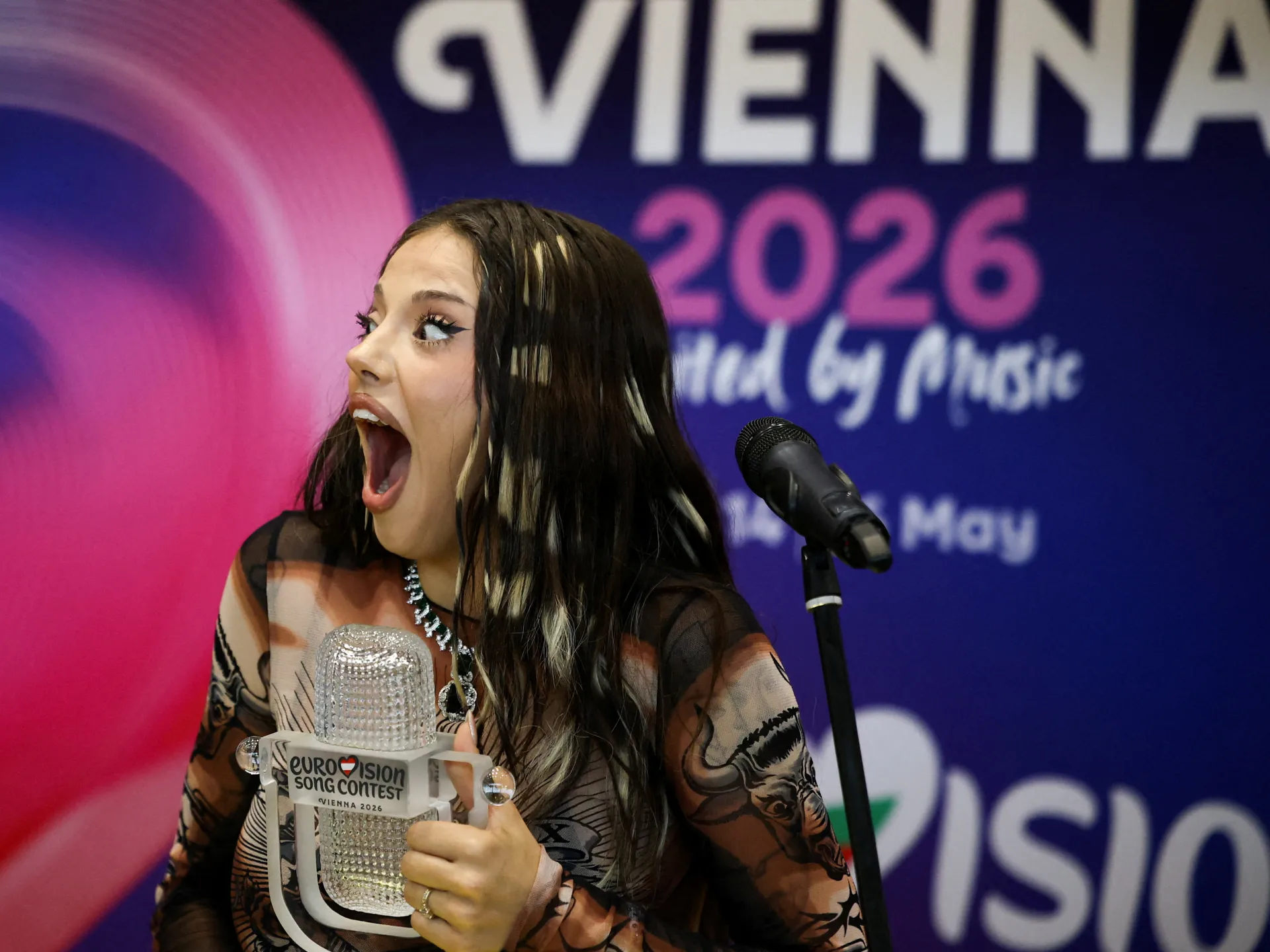
The Eurovision Song Contest, established in 1956, is a collaborative production between the EBU and its member broadcasters, primarily the public broadcaster of the previous year's winning country. For the upcoming year, Bulgaria is set to host, having won the 2026 contest. Ukraine, the 2022 winner, was unable to host in 2023 due to the ongoing conflict with Russia, with the United Kingdom stepping in as an alternative host.
Despite its name, Eurovision is open to any country with broadcasting operations in Europe and EBU membership. Israel made history as the first non-European nation to participate in 1973.
Details of the New EBU Policy
The EBU's recent announcement clarifies that the winning broadcaster will automatically be deemed ineligible to host if an "armed conflict, a sensitive geopolitical situation, or any other situation materially affects the security, safety or stability of their state or immediate region." To assess such situations, the EBU has stated it will commission an independent security assessment of the winning region and engage in consultations to determine hosting eligibility. Should a winning country be deemed unsuitable, an alternative host broadcaster will be sought.
This policy change follows increasing pressure on contest organizers to address Israel's participation, particularly since the escalation of conflict in Gaza in 2023. Several participating nations boycotted the event last year, and numerous protests have been staged. While the EBU has not explicitly linked the rule change to these boycotts or Israel's involvement, it acknowledges the evolving nature of the contest.
Martin Green, Eurovision director, commented on the rule adjustments, stating, "The Eurovision Song Contest is constantly evolving, and our annual review of the rules is an important part of making sure the contest remains fair, transparent and consistent for all those who participate, including the millions who engage with the event globally." He emphasized that these changes aim to provide clarity, protect artists, ensure a safe environment, and uphold the contest's integrity, guided by feedback from EBU members.
Historical Boycotts and Calls for Exclusion
The confirmation of Israel's participation in the 2026 contest sparked significant controversy, leading to calls for boycotts from various countries, politicians, and artists. In December last year, nations including the Netherlands, Slovenia, Spain, Iceland, and Ireland indicated they would withdraw if Israel participated. Broadcasters from these countries cited concerns ranging from "proven interference" and "serious violation of press freedom" to the "appalling loss of lives in Gaza and humanitarian crisis."
For instance, the Dutch broadcaster AVROTROS expressed that participation under the circumstances was irreconcilable with its public values. Ireland's RTE cited the humanitarian crisis in Gaza, while Slovenia's national broadcaster boycotted in solidarity with children affected by the conflict. Spain's RTVE raised concerns about the contest being used for political goals and the challenge of maintaining its neutrality. Iceland's RUV also withdrew, noting public sentiment that precluded a joyous or peaceful participation.
Despite these boycotts, the 2026 contest proceeded in Vienna with 35 participating countries.
Reactions and Future Prospects
As of now, Israel has not officially responded to the new hosting regulations. The country secured second place in the 2026 tournament, positioning it closely for a potential hosting bid in 2027. In December, Israeli President Isaac Herzog had affirmed Israel's right to be represented globally, signaling a strong commitment to international engagement.
Russia remains barred from both hosting and participating, while Ukraine, despite winning in 2022, was unable to host in 2023 due to the ongoing conflict. The EBU reiterated that its rules apply to all participating broadcasters and that any assessment of hosting capability would be made closer to the event date.
The question of whether countries that boycotted in 2026 will return remains open. Given that their previous boycotts were primarily centered on Israel's participation rather than solely its hosting rights, a change in stance appears unlikely. Critics have frequently highlighted what they perceive as hypocrisy in the EBU's approach, contrasting its swift ban on Russia following the invasion of Ukraine with its handling of Israel's involvement. Sven Kuhn von Burgsdorff, former EU representative to the occupied West Bank and Gaza, argued in an interview that consistency would demand Israel's suspension, referencing international law violations and ICJ rulings on occupation and potential apartheid characteristics.
In April, over 1,000 cultural figures signed a letter urging a boycott, accusing the EBU of abandoning its neutrality. They pointed out that while Russia's presence was deemed to bring the competition into "disrepute" in 2022, the extensive conflict in Gaza and the West Bank were not seen as sufficient grounds to apply the same policy to Israel.