World Leaders Gather to Celebrate Esports World Cup Finale
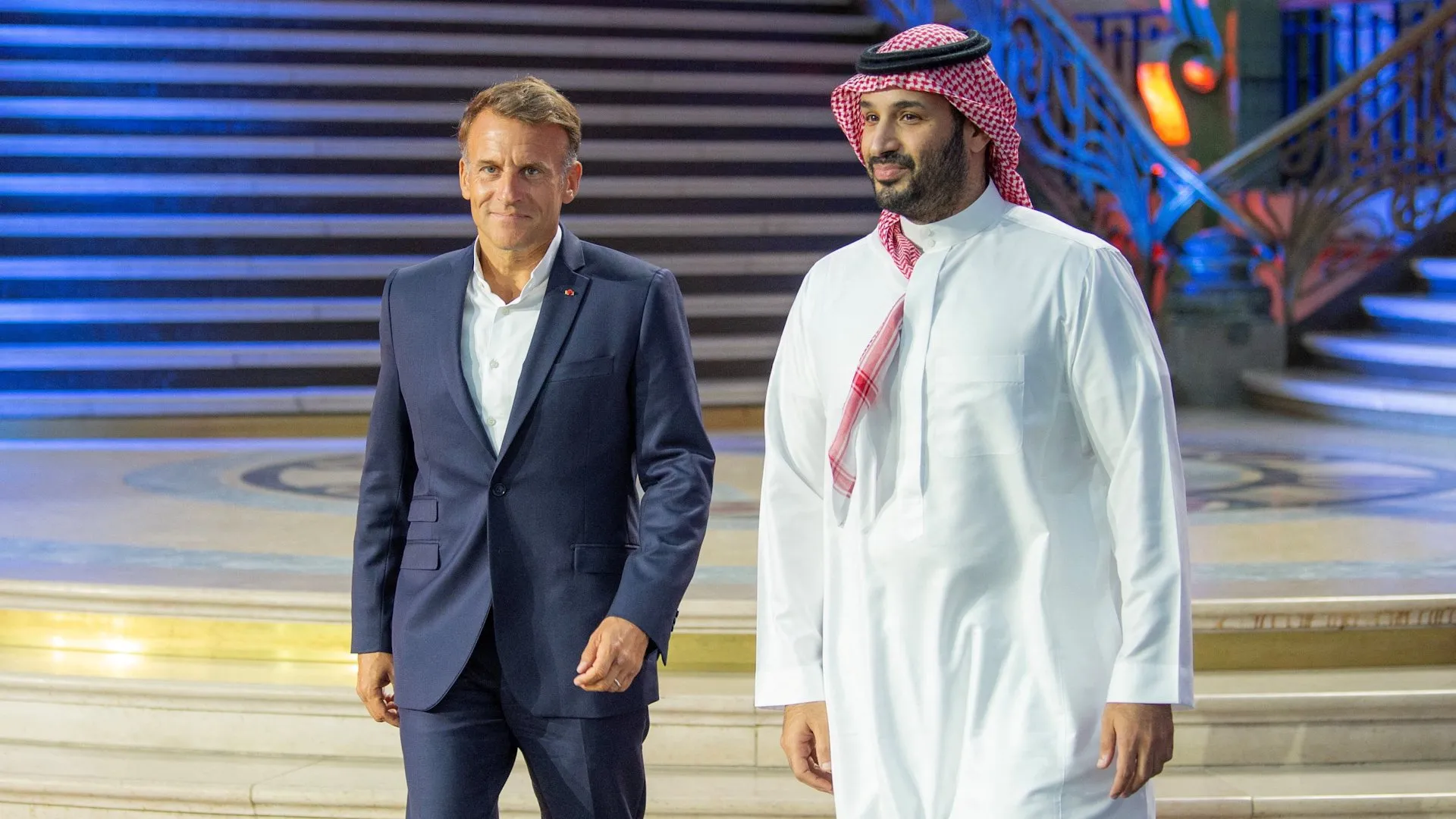
French President Emmanuel Macron and Saudi Crown Prince Mohammed bin Salman (MBS) made a high-profile joint appearance at the closing ceremony of the Esports World Cup, held in Paris. The event drew significant attention not only for its competitive spectacle but also for the diplomatic and economic signals it carried on the global stage.
The ceremony marked the conclusion of one of the most prominent esports competitions in the world, bringing together elite players and teams from across the globe. The presence of two major world leaders at the event highlighted the growing recognition of competitive gaming as a legitimate and influential cultural and economic force.
Saudi Arabia's Strategic Push Into Gaming
Saudi Arabia was the founding nation behind the Esports World Cup, and the kingdom has been channeling enormous financial resources into establishing itself as a dominant force in the global gaming and esports landscape. Analysts estimate that Saudi Arabia is investing billions of dollars as part of a broader strategy to diversify its economy and build a new identity on the world stage through sports and entertainment.
This initiative is closely tied to the kingdom's Vision 2030 program, an ambitious blueprint designed to reduce Saudi Arabia's dependence on oil revenues. Gaming and esports have been identified as key sectors capable of generating significant economic activity, attracting international talent, and engaging younger demographics both domestically and globally.
A Growing Industry With Political Weight
The esports industry has undergone rapid growth over the past decade, evolving from a niche subculture into a multi-billion-dollar global phenomenon. Major tournaments now attract viewership numbers that rival traditional sporting events, and corporate sponsorships, media rights, and merchandise revenues have transformed the sector into a serious commercial enterprise.
Saudi Arabia's aggressive entry into this space has not been without controversy. Critics have pointed to concerns about human rights conditions within the kingdom and raised questions about the use of sports and entertainment events to improve international perception — a practice sometimes referred to as sportswashing. Supporters, on the other hand, argue that Saudi investment is bringing genuine development opportunities and global visibility to the esports community.
Paris as Host City
The decision to hold the closing ceremony in Paris added a notable dimension to the event. France has been actively positioning itself as a hub for digital innovation and competitive gaming in Europe. President Macron's attendance signaled the French government's interest in engaging with the growing esports economy and reinforcing Paris as an international destination for major global events.
France has previously made significant strides in the esports world, with a strong competitive player base and a thriving domestic gaming culture. Hosting a closing ceremony of this magnitude alongside a major diplomatic figure like the Saudi Crown Prince further elevated the event's profile beyond the world of gaming alone.
What the Partnership Signals
The appearance of both leaders at the same event reflects an evolving relationship between France and Saudi Arabia, two nations that maintain complex but significant diplomatic and economic ties. Their shared presence at a cultural and technological event such as the Esports World Cup suggests that competitive gaming is increasingly being viewed through the lens of international diplomacy and soft power.
Observers noted that events like the Esports World Cup are becoming platforms not just for athletic competition, but for the projection of national influence and economic ambition. As Saudi Arabia continues to invest heavily in entertainment, sports, and technology sectors, the global community is watching closely to understand the long-term implications of these moves.
Looking Ahead
With the Esports World Cup now concluded, attention turns to what comes next for the rapidly evolving esports landscape. Saudi Arabia's continued financial commitment to the sector suggests that future editions of the event are likely to grow in scale and ambition. The involvement of heads of state and royal figures underscores how far competitive gaming has come from its origins as a grassroots hobby.
For the global esports community, the closing ceremony in Paris represented both a celebration of competitive achievement and a reminder that the industry now operates at the intersection of culture, commerce, and geopolitics. Whether the Saudi-led expansion of esports will deliver on its promises — both for the gaming world and for the kingdom itself — remains a question that will unfold in the years ahead.