
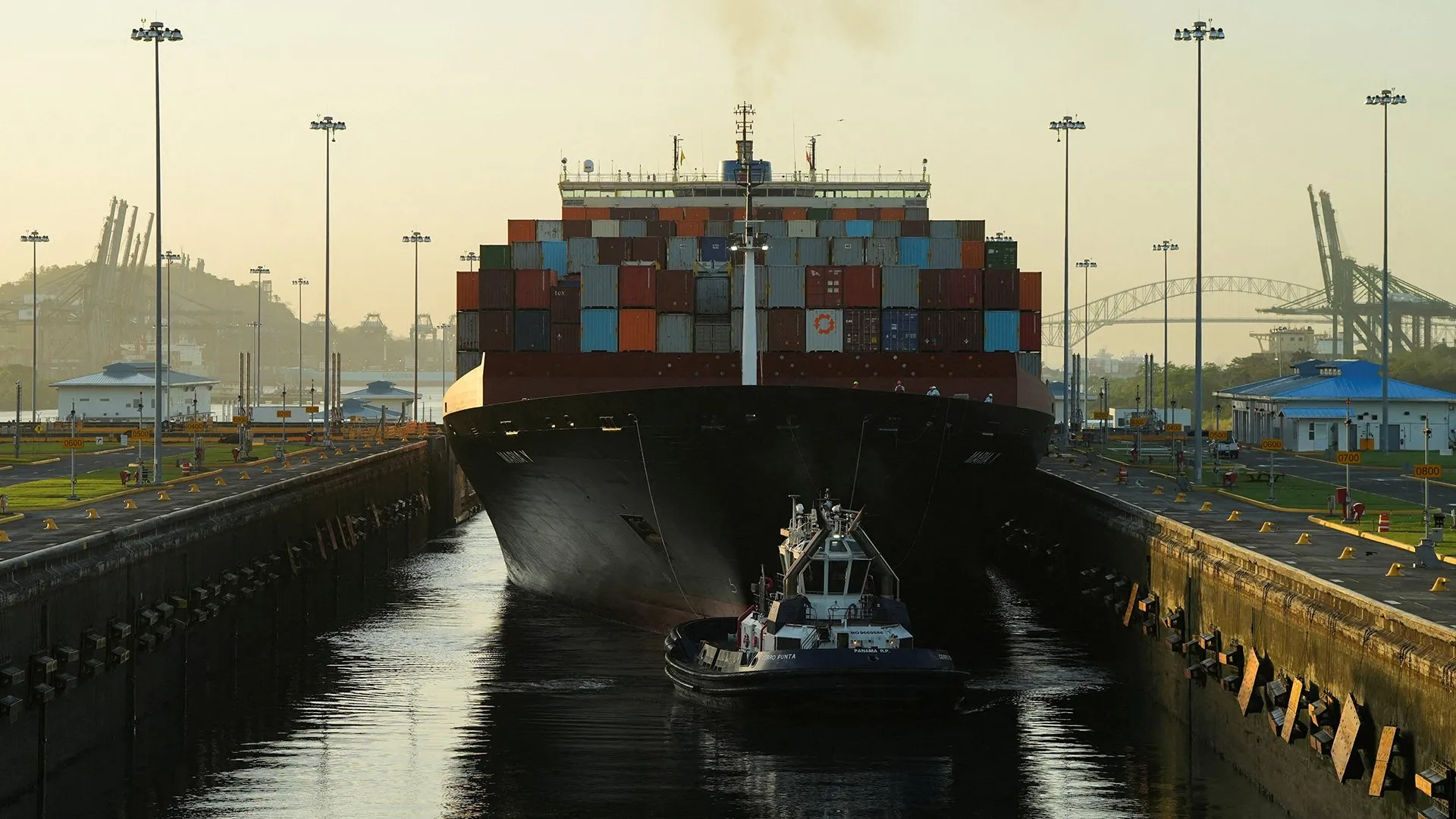
Panama Canal Prepares for Transit Reductions Amid El Niño Concerns
One of the world's most strategically vital waterways is bracing for significant operational adjustments as an unusually intense El Niño season draws closer. The Panama Canal Authority has announced a phased reduction in the number of vessels permitted to pass through the canal each day, citing concerns over dropping water levels that are expected to accompany the approaching weather phenomenon.
Scheduled Reduction in Daily Transits
According to canal authorities, the number of daily transits will be scaled back in two stages. Beginning September 4, the daily limit will be reduced from 40 vessel crossings to 34. That figure will then be trimmed further to 32 daily transits by September 15. The reductions are part of a precautionary strategy designed to manage the canal's water resources more carefully as meteorological conditions deteriorate.
Canal officials have indicated that the decision reflects the need to conserve freshwater in Gatun Lake, which serves as the primary reservoir supplying water to the locks that lift and lower ships as they traverse the approximately 80-kilometer waterway. Water levels in the lake are closely monitored, and transit restrictions are a known management tool used during periods of reduced rainfall.
What Is El Niño and Why Does It Matter Here?
El Niño is a naturally occurring climate pattern characterized by the warming of surface waters in the central and eastern Pacific Ocean. This warming disrupts normal atmospheric circulation, leading to altered precipitation patterns around the globe. For the Panama Canal region, El Niño typically brings significantly below-average rainfall, which can cause water levels in the lakes feeding the canal's lock system to drop to potentially critical levels.
What makes the current forecast particularly concerning for canal operations is that meteorologists are predicting an extended and stronger-than-usual El Niño event. A longer duration means water replenishment through rainfall may remain limited for months, putting sustained pressure on the canal's ability to operate at full capacity.
Economic Implications for Global Trade
The Panama Canal is a linchpin of international maritime commerce, handling a substantial portion of global shipping traffic. Goods ranging from consumer electronics and agricultural products to petroleum and industrial equipment pass through the canal daily. Any slowdown in transit capacity can have cascading effects on supply chains that depend on the waterway as a cost-effective route between the Atlantic and Pacific oceans.
Shipping industry analysts have noted that reduced transit slots typically lead to longer waiting times for vessels queuing to enter the canal. When ships are delayed, operating costs rise due to fuel consumption, crew expenses, and missed delivery schedules. These additional costs are often passed along the supply chain, potentially resulting in higher prices for end consumers in markets that rely on canal-routed goods.
- Industries most likely to feel the impact include agriculture, energy, and consumer goods sectors
- Shipping companies may seek alternative routes, such as around South America's Cape Horn, adding significant time and expense to voyages
- Freight rates for canal-dependent shipping lanes could rise in response to constrained capacity
- Port operators and logistics firms on both coasts may face scheduling complications
Not the First Time
This is not the first occasion the Panama Canal has faced operational constraints due to El Niño-related water shortages. In previous El Niño cycles, the canal has implemented similar transit reduction measures, sometimes drawing criticism from shipping companies facing increased costs and delays. Canal authorities, however, maintain that proactive management of water resources is essential to ensuring the long-term viability and reliability of the waterway.
Reducing the number of daily transits is a necessary and responsible step to protect water levels and ensure the canal remains operational throughout the El Niño season.
Authorities Monitor Conditions Closely
Canal management has emphasized that the situation will continue to be assessed on an ongoing basis. Should rainfall return or water levels stabilize, transit restrictions could be eased. Conversely, if conditions worsen beyond current projections, further reductions may be implemented to protect the operational integrity of the canal.
International shipping companies and logistics operators have been advised to plan accordingly, factoring potential delays and capacity limitations into their scheduling and cost projections for the months ahead. The Panama Canal Authority has said it remains committed to transparency and will keep stakeholders informed as conditions evolve throughout the El Niño season.
The broader global economy will be watching closely, as the waterway's performance during this challenging period could have meaningful repercussions for trade flows and supply chain stability across multiple industries worldwide.