
Widespread High Temperatures Expected Across Europe
A substantial heatwave is currently impacting Europe, with projections indicating that more than 135 million individuals, primarily residing in France, Italy, Spain, and the United Kingdom, will encounter temperatures surpassing 35 degrees Celsius (95 Fahrenheit). This meteorological event underscores the continent's susceptibility to rising temperatures, as Europe has been identified as the fastest-warming continent globally.
Forecasts from the German weather service, combined with 2025 population data from the European Commission's Joint Research Centre, suggest an even broader impact. Nearly three out of every five Europeans, approximately 340 million people, are anticipated to experience temperatures exceeding 30 degrees Celsius (86 Fahrenheit) today. These figures are corroborated by independent tracking data from Austria’s Klimadashboard, reinforcing the widespread nature of the heat.
Regional Impacts and Record-Breaking Conditions
As the day progresses, both the United Kingdom and France are grappling with their fifth heatwave of the current summer season. In central and southeast England, forecasters predict temperatures could reach up to 38 degrees Celsius (100 Fahrenheit), potentially marking the highest temperature recorded in the UK this year. Similarly, France is preparing for temperatures that could climb as high as 40 degrees Celsius (104 Fahrenheit). The UK's highest temperature for the year to date was previously recorded on June 26, when eastern England reached 38 degrees Celsius.
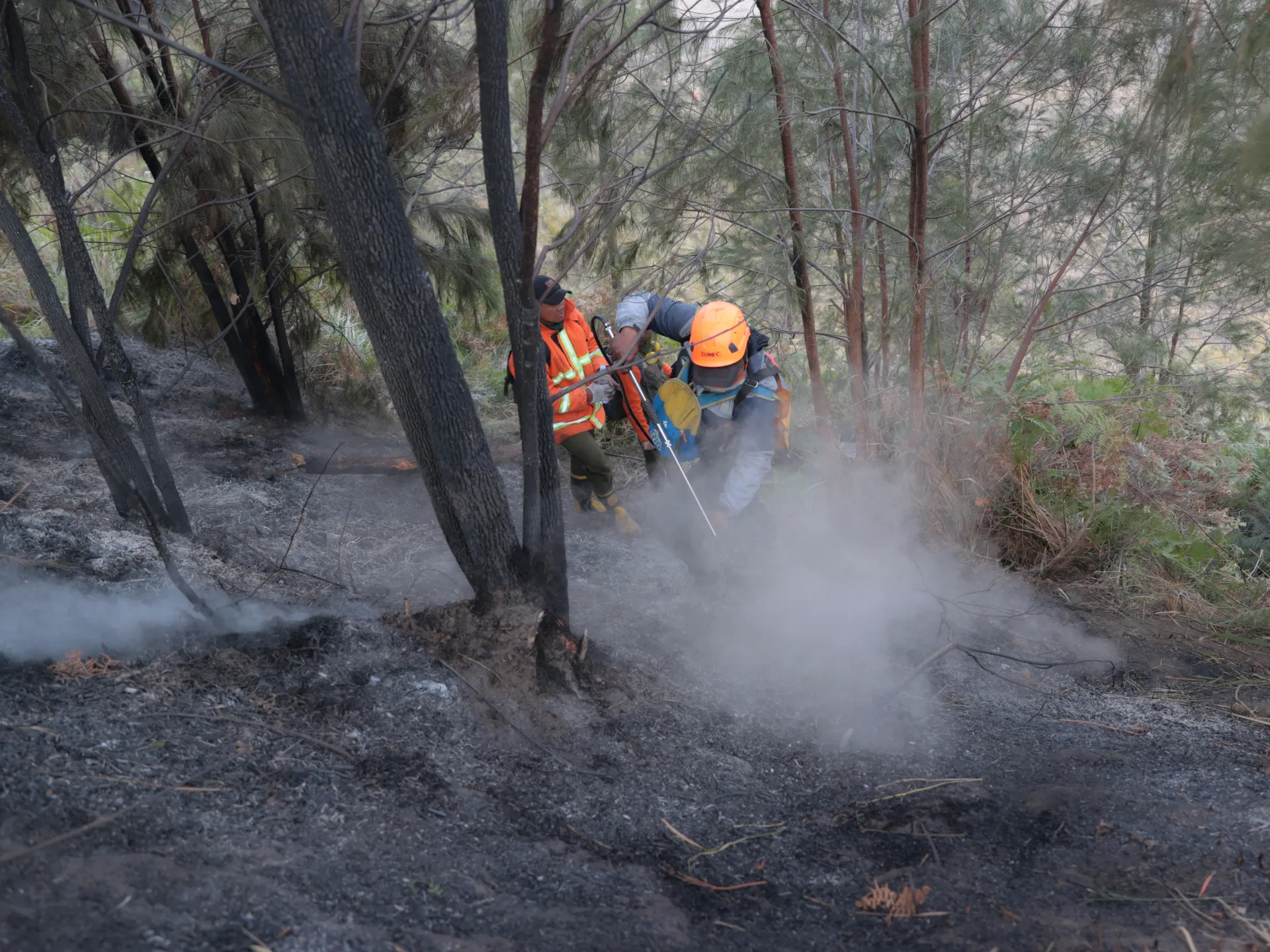
The Met Office in Britain recently indicated that only average weather conditions for the remainder of August would be sufficient to surpass last year's record for the hottest year ever. The prolonged dry and hot conditions have also contributed to a significant increase in wildfires. Data from the National Fire Chiefs Council reveals that over a thousand wildfires have been reported across England and Wales this year. In response to this escalating risk, UK Prime Minister Andy Burnham has stated his intention to consider a ban on disposable barbecues. He emphasized the critical need to disseminate a clear message: "People should not be using those barbecues outside at this moment in time."
Challenges for Healthcare and Environmental Strain
The extreme heat is also posing significant challenges for essential services. The UK’s Royal College of Nursing (RCN) issued a statement today, describing conditions within parts of the National Health Service (NHS) as "impossible and inhumane" for both staff and patients. The RCN helpline has received reports detailing incidents of staff collapsing during shifts, experiencing heat-related seizures, and pregnant nursing personnel working in environments exceeding 30 degrees Celsius. A common concern among staff is the lack of access to adequate cooling facilities, including air conditioning, fans, or even sufficient ventilation.
Beyond the immediate human impact, the heatwave is exacerbating widespread drought conditions across much of Europe, including France and the UK. Shriveled crops and depleted rivers are placing immense strain on water supplies, affecting households, agricultural operations, and natural ecosystems. These persistent challenges are compelling governments to explore both immediate and long-term solutions to mitigate the effects of what is widely recognized as human-induced climate change. The ongoing events serve as a stark reminder of the urgent need for adaptation strategies and proactive measures to address the environmental and societal consequences of a warming planet.