AVROTROS Withdraws from Eurovision Over Neutrality Concerns
The Dutch public broadcaster AVROTROS has confirmed it will not take part in the 2027 Eurovision Song Contest, citing what it describes as an irreversible erosion of the competition's political neutrality. The decision comes amid growing controversy surrounding Israel's continued participation in the annual music event, which has been a flashpoint for debate since the escalation of the conflict in Gaza.
In an official statement released on Monday, Taco Zimmerman, Director-General of AVROTROS, explained the rationale behind the withdrawal. "It is undeniable that international conflicts are increasingly affecting the Contest, undermining its neutral character. The Eurovision Song Contest has therefore become a platform for division," Zimmerman said. The broadcaster made clear that its decision was not taken lightly, but that it felt compelled to act given what it sees as a fundamental shift in the nature of the event.
Recent Rule Changes Deemed Insufficient
Eurovision's organizing body had earlier in the month announced a significant policy change: countries currently engaged in armed conflicts would be barred from hosting future editions of the competition. The move was widely seen as an attempt to calm mounting tensions and prevent further boycotts. However, AVROTROS indicated that the new measures did not go far enough to restore confidence in the contest's independence.
"The recently announced changes do not provide sufficient confidence that the independent and neutral character of the Eurovision Song Contest has been restored," the broadcaster's statement read. Critics of the policy adjustment have similarly argued that excluding conflict nations from hosting duties falls short of addressing deeper concerns about the integrity and impartiality of the competition itself.
A Growing Trend of Boycotts
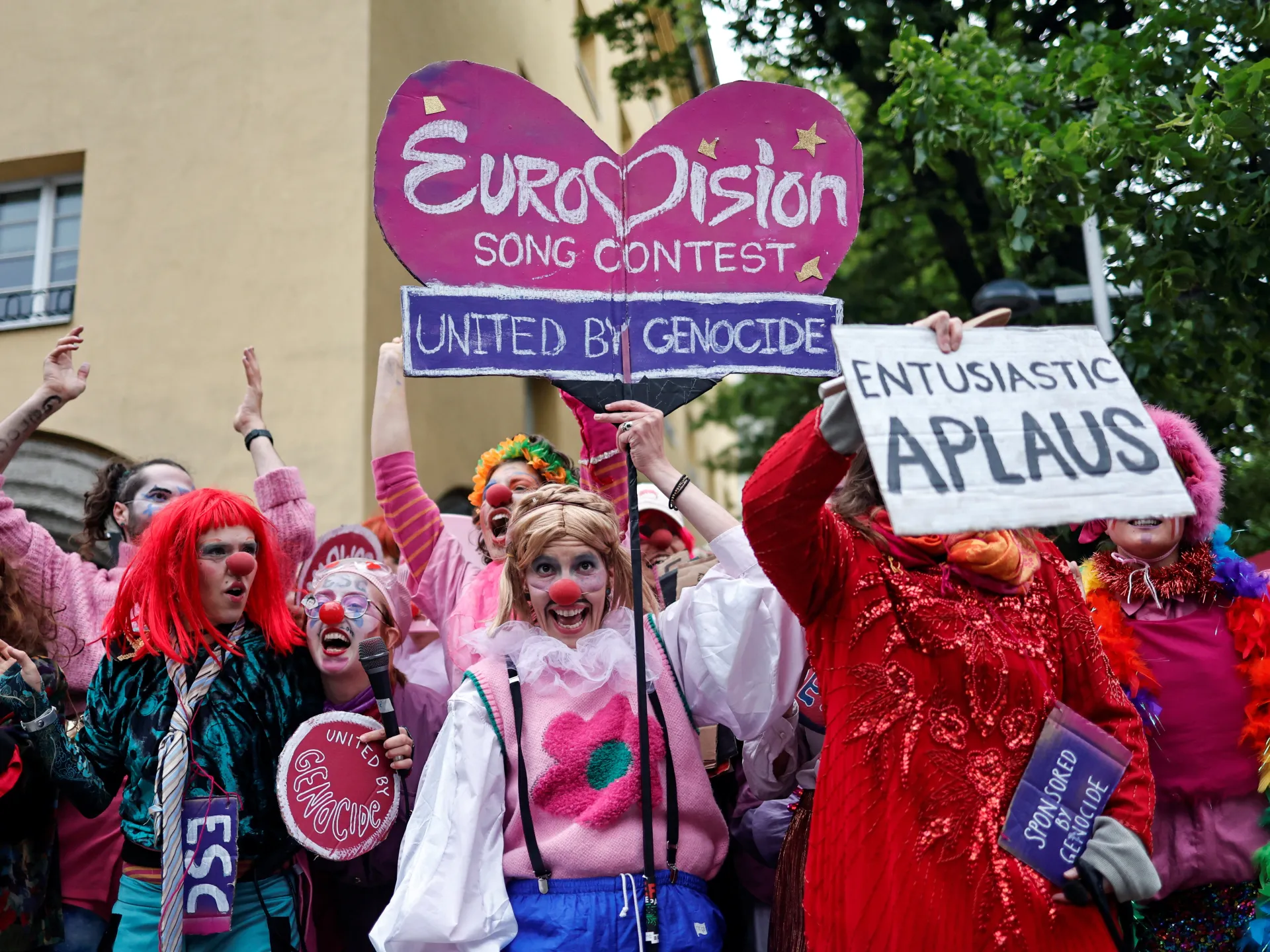
The Netherlands is not the first country to step back from Eurovision over these issues, and AVROTROS's announcement reflects a broader pattern of withdrawal among European broadcasters. During the 2026 contest, held in Vienna, Austria, five countries — the Netherlands, Iceland, Spain, Ireland, and Slovenia — declined to participate. Of those, Ireland, Spain, and Slovenia went a step further by refusing to broadcast the event entirely.
The cumulative effect of these boycotts was visible in the competition's viewership numbers. This year's Eurovision drew approximately 131 million viewers, a notable drop of 35 million compared to the previous year. Israel, at the center of much of the controversy, finished in second place in both 2025 and 2026, results that have only intensified scrutiny of the competition's judging processes and voting mechanisms.
Next Contest Heading to Bulgaria
The 2027 Eurovision Song Contest is scheduled to take place in Burgas, a city on Bulgaria's Black Sea coast. Bulgaria earned the right to host after singer Darina Yotova, known professionally as Dara, claimed victory at the Vienna contest with her upbeat track Bangaranga. It will be the first time Bulgaria has hosted the event since the country began competing decades ago.
A Legacy Under Pressure
Eurovision has long prided itself on being a space for artistic expression and cross-cultural celebration, free from political interference. Since its founding in 1955, the competition has served as a launchpad for some of the world's most recognizable music acts. Swedish pop group ABBA famously rose to international stardom after winning Eurovision in 1974, while the careers of artists including Celine Dion, Cliff Richard, and Olivia Newton-John also received significant boosts from the competition.
Today, however, the contest faces mounting pressure to reconcile its founding principles with the realities of global politics. As broadcasters weigh their participation against broader ethical and political considerations, questions persist about whether Eurovision can maintain its identity as a unifying cultural spectacle.
What Comes Next
It remains unclear how Eurovision organizers will respond to AVROTROS's announcement or whether additional broadcasters may follow suit ahead of the 2027 competition. The event's governing body, the European Broadcasting Union, has not yet commented publicly on the Dutch withdrawal.
For now, the decision by one of Europe's prominent public broadcasters underscores the deepening tension between Eurovision's aspirations as a politically neutral entertainment platform and the increasingly polarized international environment in which it operates. Whether further reforms can bridge that divide remains an open question as preparations for the Burgas contest get underway.