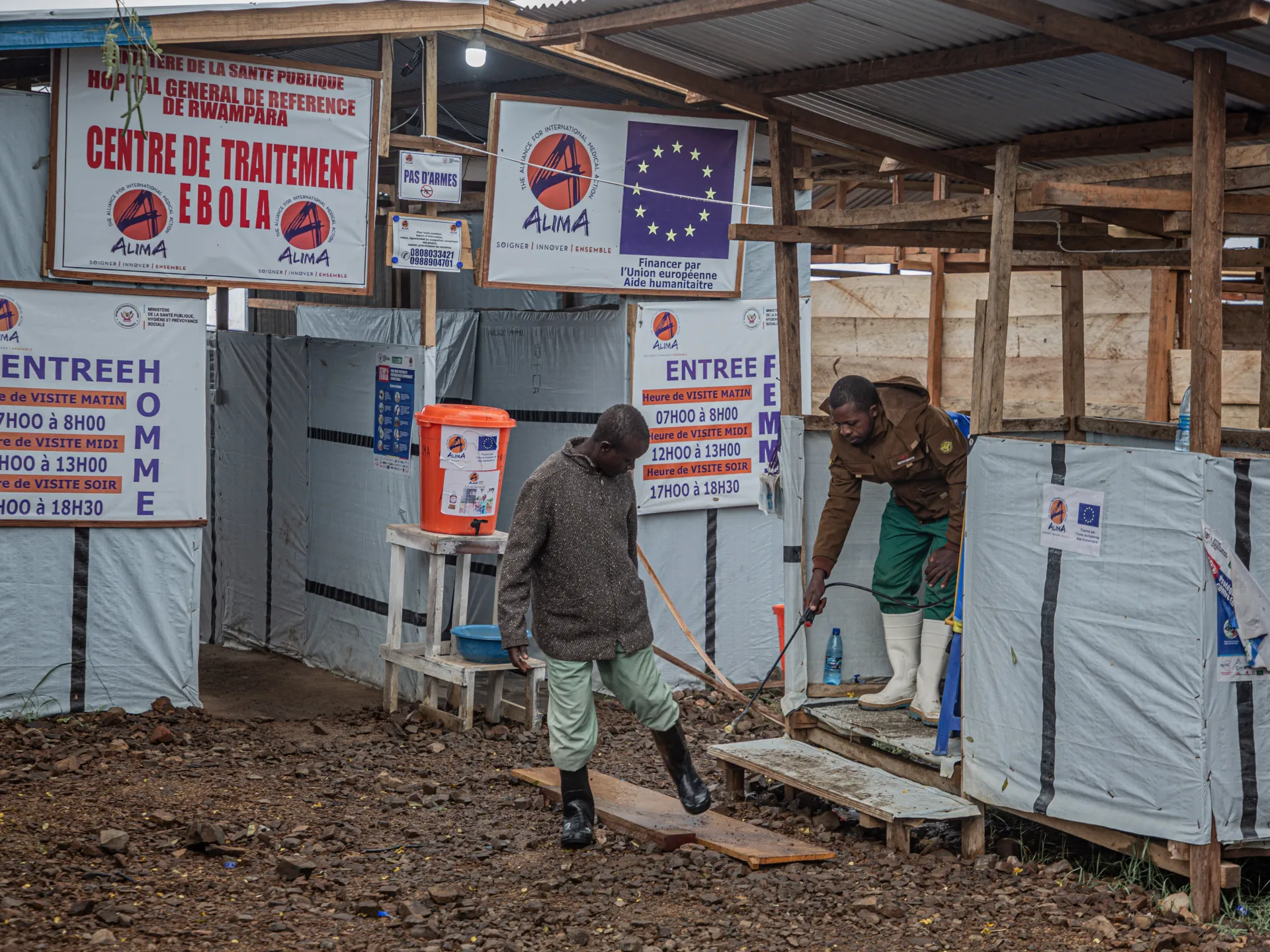
Initial Vaccine Shipment Arrives in Kinshasa
The Democratic Republic of the Congo has taken a significant step in its fight against a historic Ebola crisis, receiving a first batch of 16,250 doses of the Ervebo vaccine in its capital, Kinshasa, late on a Friday evening. The delivery marks the beginning of a larger commitment of 70,000 doses pledged by the World Health Organization and its partners just one day prior. Additional doses are expected to arrive in the country the following week.
DRC Health Minister Samuel Roger Kamba addressed reporters following the delivery, noting that Ervebo has been deployed in the country on multiple occasions in the past. He pointed specifically to the large-scale rollout that took place during the 2018 to 2020 Ebola outbreak, describing the vaccine as a familiar and previously effective tool in the country's public health response.
Challenges Posed by the Bundibugyo Strain
Despite the arrival of Ervebo, health officials face a considerable scientific challenge. The vaccine is formally approved for use against the Zaire strain of the Ebola virus, whereas the strain currently circulating across the DRC is the Bundibugyo variant, for which no approved vaccine or established treatment currently exists.
Early results from animal studies suggest that Ervebo may still offer some degree of protection against the Bundibugyo strain, though this has yet to be confirmed in human trials. To investigate this further, 20,000 of the 70,000 allocated doses will be dedicated to a late-stage clinical trial specifically designed to assess the vaccine's effectiveness against the Bundibugyo variant. The remaining doses are earmarked for frontline responders and healthcare workers, who face the greatest risk of exposure.
A Crisis of Unprecedented Scale
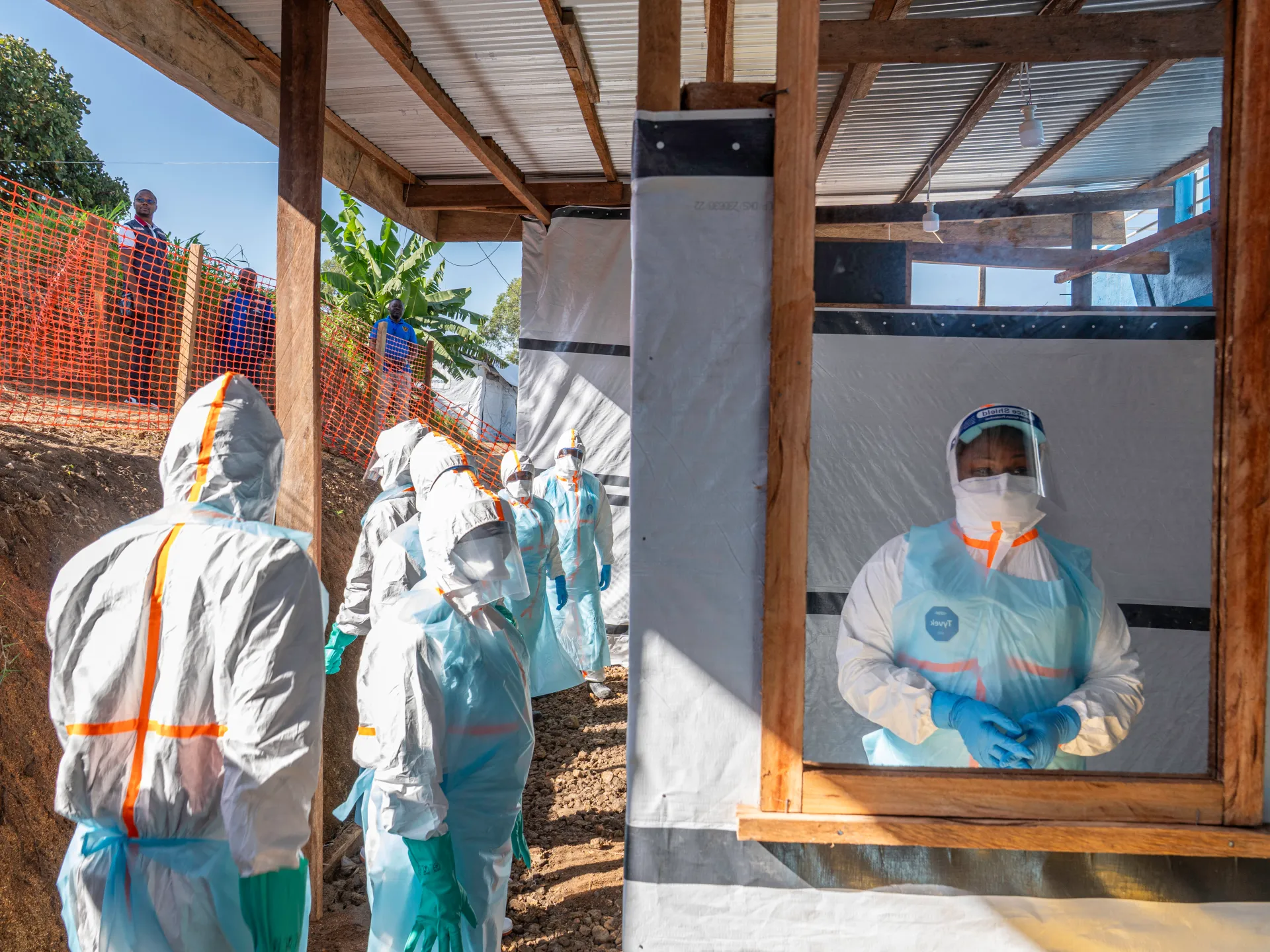
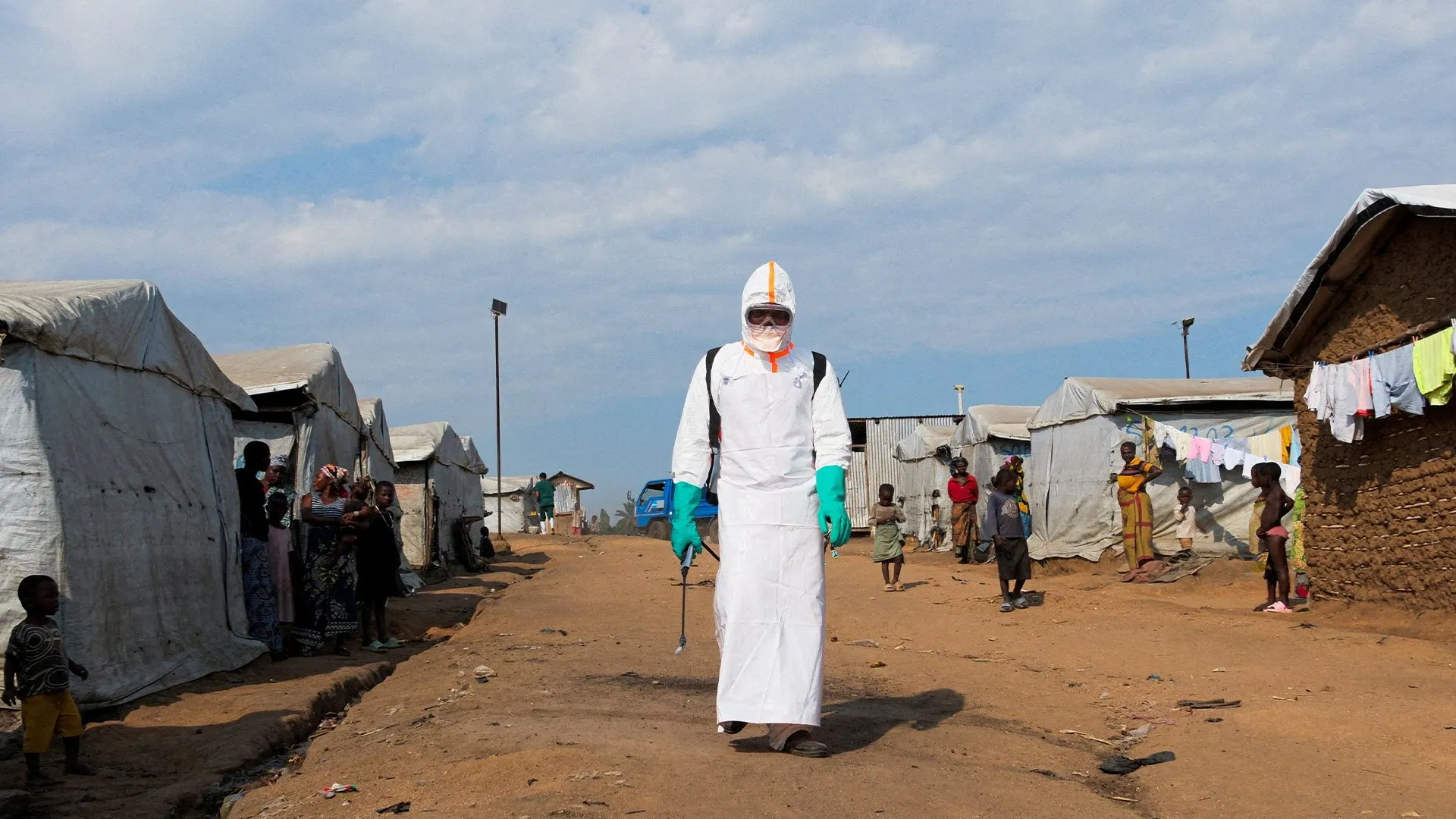
The scale of the current outbreak has alarmed global health authorities. More than 2,500 people have died out of nearly 5,300 confirmed cases, making this the deadliest Ebola outbreak in the DRC's recorded history. The United Nations issued a stark warning this week, stating that new infections are continuing to grow exponentially with no immediate signs of slowing.
While the outbreak was officially declared in mid-May, epidemiologists believe the virus began spreading several weeks before that formal announcement. This delay in recognition may have contributed to the rapid escalation of case numbers.
Transmission Still Rising, Experts Warn
Data released by the Africa Centres for Disease Control and Prevention paints a deeply concerning picture. According to the agency's findings, transmission has not yet reached its peak, and projections suggest infection rates could climb to as much as three times their currently known level. This trajectory has placed enormous pressure on health authorities and humanitarian organizations operating in the region.
Several interconnected factors have hampered the response effort, including:
- Ongoing armed conflict in eastern parts of the DRC, which restricts the movement of health workers and supplies
- Significant delays in identifying and confirming new Ebola cases
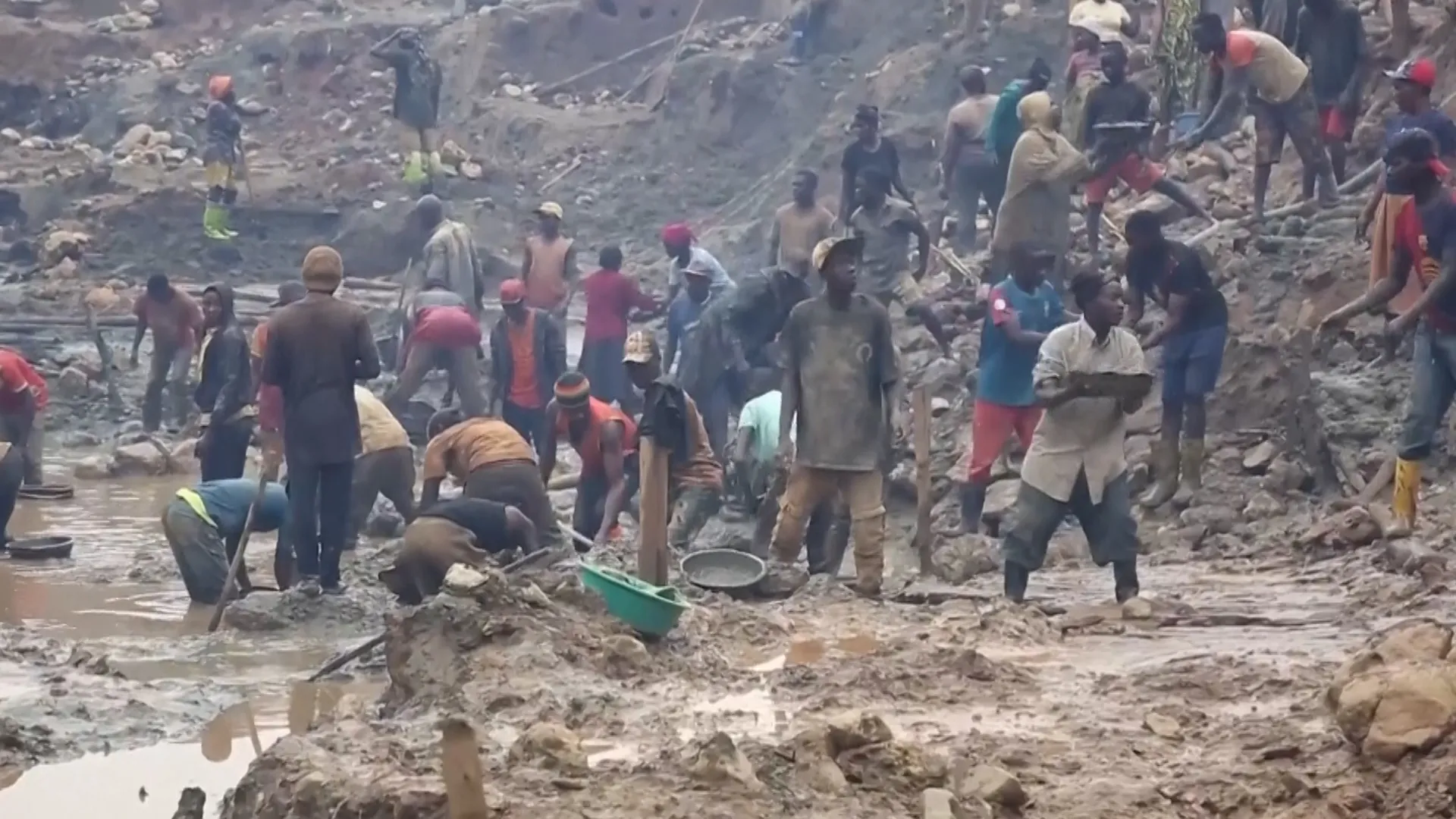
- A chronic lack of infrastructure across affected areas, limiting the reach of medical interventions
International Response and the Path Forward
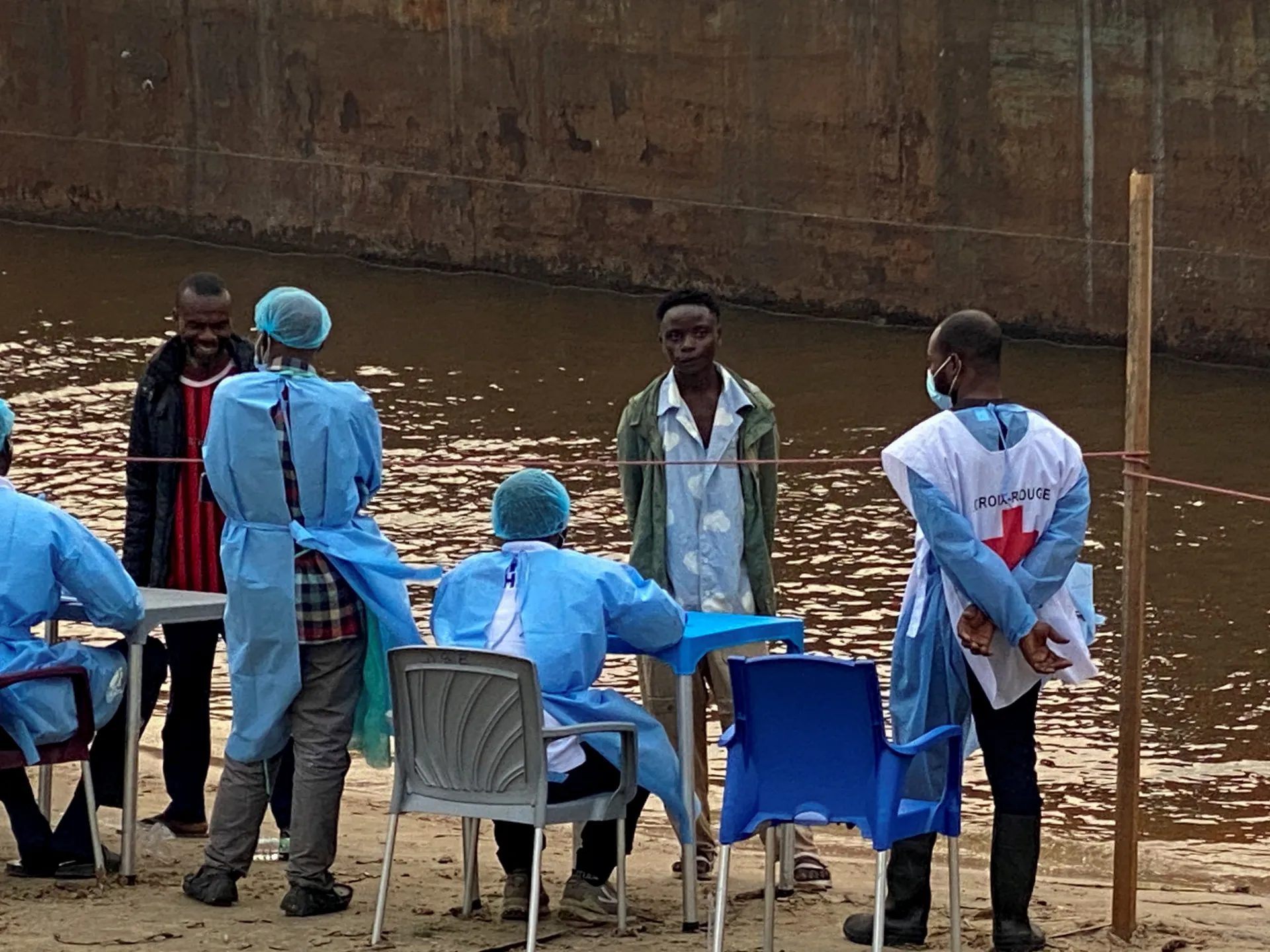
The WHO's decision to mobilize 70,000 Ervebo doses reflects the urgency with which the international community is approaching the outbreak. Beyond the vaccine shipment, health organizations are working to strengthen surveillance systems, improve case detection, and expand treatment capacity in regions where the virus is most active.
The clinical trial component of the vaccine deployment is particularly significant. Should the trial demonstrate meaningful protection against the Bundibugyo strain, it could unlock a critical new tool in managing not only this outbreak but potential future occurrences of the same variant.
As the situation continues to evolve, the DRC remains at the center of what the World Health Organization has described as a global health emergency. The coming weeks are expected to be decisive in determining whether the combination of vaccine deployment, clinical research, and containment efforts can succeed in reversing the outbreak's trajectory. For now, the arrival of the first doses has been welcomed as a necessary, if partial, step toward stabilizing a crisis that has already claimed thousands of lives.