Overview of the Incident
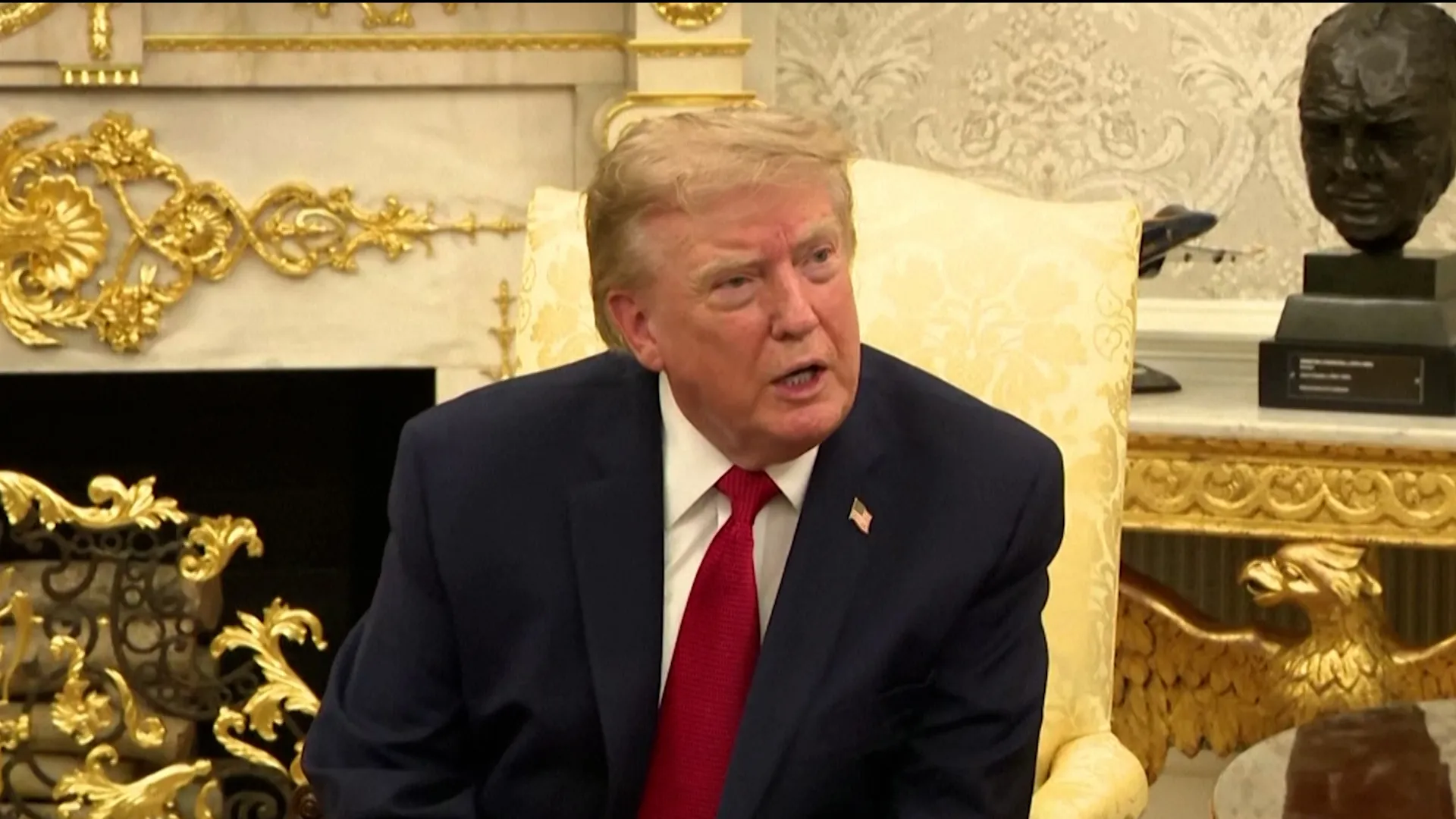
A recent interaction involving former U.S. President Donald Trump and a CNN reporter garnered significant attention following a question concerning North Korea's alleged requests regarding military exercises. The exchange, which occurred during a press availability, saw Trump directly challenge the reporter's credibility and the nature of the inquiry.
The incident unfolded when the CNN correspondent posed a question about whether North Korean leader Kim Jong Un had asked the American president to reduce the scale of joint military drills conducted with South Korea. This line of questioning evidently provoked a strong reaction from Trump, leading to a verbal confrontation.
The Core of the Dispute
The reporter's question touched upon a sensitive aspect of international relations and military strategy in the Korean Peninsula. Joint military exercises between the United States and South Korea have long been a point of contention with North Korea, which often views them as provocative and a rehearsal for invasion. Consequently, any suggestion of scaling back these drills, especially at the behest of Pyongyang, carries significant diplomatic and strategic implications.
Trump's immediate and forceful response indicated his disapproval of the question, particularly its implication or underlying premise. His characterization of the reporter as a 'fake reporter' underscored a recurring theme in his public interactions with certain media outlets, where he has frequently criticized their reporting as biased or inaccurate.
Historical Context of Media Relations
The former president's relationship with various news organizations, including CNN, has been consistently fraught with tension throughout his political career. He has often used rallies, press conferences, and social media platforms to denounce what he perceives as 'fake news' or unfair coverage. This approach has led to numerous memorable and often confrontational exchanges with journalists.
Such interactions are not isolated incidents but rather part of a broader pattern of communication that has defined a significant portion of Trump's public persona. His supporters often view his direct challenges to the media as a necessary stand against perceived liberal bias, while critics argue that such rhetoric undermines the role of a free press and can be detrimental to democratic discourse.
The Role of Military Drills in Regional Stability
The question itself, concerning the reduction of military drills, highlights a complex issue in Northeast Asian geopolitics. These exercises serve multiple purposes: they enhance the interoperability of U.S. and South Korean forces, demonstrate commitment to mutual defense, and act as a deterrent against potential aggression from North Korea. However, they also periodically escalate tensions, particularly when North Korea responds with its own missile tests or aggressive rhetoric.
During his presidency, Trump had, at times, expressed openness to adjusting the scale or frequency of these drills, viewing them as costly and potentially counterproductive to diplomatic efforts with North Korea. This stance diverged from traditional U.S. foreign policy, which typically emphasized the unwavering nature of the alliance and the importance of robust military preparedness. Therefore, the reporter's question, while pointed, was relevant to ongoing policy discussions and historical precedents.
Implications for Journalism and Public Discourse
This incident, like many others involving high-profile political figures and the media, raises important questions about the nature of journalism in a highly polarized environment. It underscores the challenges reporters face in holding powerful individuals accountable, especially when their questions are met with accusations of bias or fabrication. For the public, such exchanges can further entrench existing views on media credibility and political figures.
Ultimately, the confrontation between former President Trump and the CNN reporter serves as another example of the strained relationship between political power and the press, a dynamic that continues to shape the landscape of contemporary news and public debate.