Robot Named Lightning Outruns Humanity's Fastest Man
A humanoid robot created by Chinese smartphone company Honor has clocked a time of 9.32 seconds over 100 metres, according to China's state broadcaster. The achievement places the machine ahead of Jamaican sprinting legend Usain Bolt, whose 9.58-second performance at the 2009 World Athletics Championships in Berlin has stood as the pinnacle of human speed for over a decade.
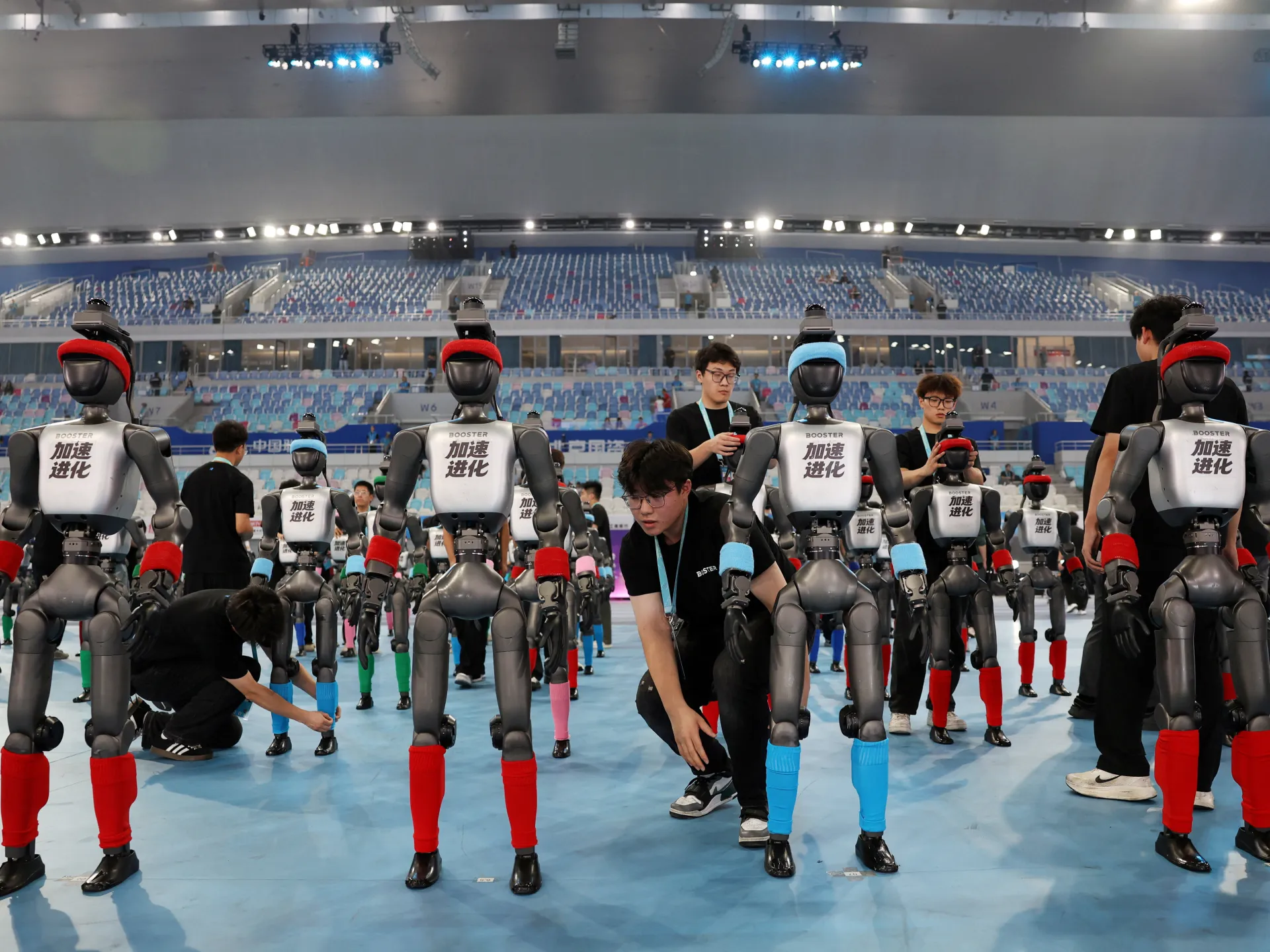
The robot, known as Lightning, achieved a peak speed of 14.5 metres per second during a preparatory test event held ahead of the second World Humanoid Robot Games, which officially opened in Beijing over the weekend. The event has drawn significant international attention as a showcase for advances in robotic technology and artificial intelligence.
A Milestone in Robotics and Artificial Intelligence
The record-breaking run is being viewed as a landmark moment in the broader development of humanoid robotics. China has designated humanoid robots as a key strategic industry, with government officials and private sector companies channelling significant resources into research and development. The ambition is for breakthroughs in artificial intelligence and mechanical engineering to eventually drive wider deployment of these machines across a range of industries.
Sectors earmarked for future robotic integration include:
- Manufacturing and industrial assembly
- Logistics and supply chain management
- Consumer-facing applications and services
The 100-metre run is not Lightning's first notable athletic accomplishment. Earlier this year, in April, the robot completed the Beijing half marathon — a distance of 21 kilometres — in 50 minutes and 26 seconds. That time was faster than the pace required to match the elite men's human world record over the same distance, adding further weight to the growing narrative around robotic physical capability.
Design Modifications Ahead of the World Humanoid Robot Games
At the time of the half marathon, Lightning stood 169 centimetres tall and had legs measuring 95 centimetres in length. Since that event, engineers have made deliberate physical adjustments to improve the robot's performance. According to state television broadcaster CCTV, Lightning's legs have been extended by 10 centimetres, bringing them to a total length of 1.05 metres ahead of competition at the World Humanoid Robot Games.
Such modifications reflect the iterative nature of humanoid robot development, where hardware changes are made in tandem with software improvements to enhance speed, balance, and overall athletic output. The extended leg length is widely understood to contribute to increased stride length, which is a key factor in sprinting performance.
Context: The World Humanoid Robot Games
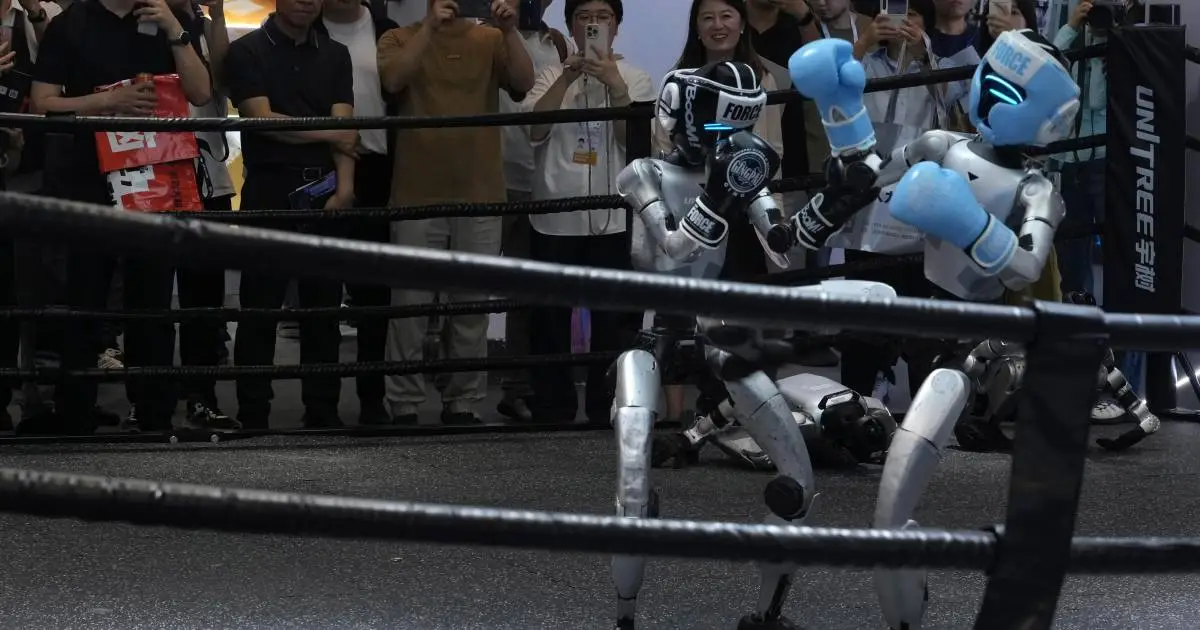
The World Humanoid Robot Games serves as an international platform for countries and companies to demonstrate the physical capabilities of their robotic creations through structured athletic competitions. This year's edition, held in Beijing, is only the second instalment of the event, yet it has already captured global attention due to the unprecedented performances on display.
China's involvement in and promotion of the event reflects its broader ambitions in the technology sector. With substantial government backing and a rapidly expanding private robotics industry, the country has positioned itself as a leading force in the development of next-generation machines capable of performing tasks traditionally carried out by humans.
What This Means for the Future of Robotics
While the achievement is primarily a demonstration of engineering progress rather than a direct competitive challenge to human athletes, it raises broader questions about the trajectory of humanoid robotics. The speed and endurance feats accomplished by Lightning suggest that robots are advancing at a pace that was, until recently, considered many years away.
Observers note that athletic benchmarks such as sprinting speed and marathon endurance serve as practical proxies for evaluating a robot's overall mechanical capability. Machines that can perform well under the physical demands of competitive athletics are likely better equipped to handle the rigours of industrial and logistical environments.
As the second World Humanoid Robot Games continues in Beijing, further competitions and demonstrations are expected to produce additional results that push the boundaries of what humanoid machines can achieve. Whether the focus remains on symbolic athletic milestones or shifts increasingly toward practical real-world applications, the development of robots like Lightning signals a significant and accelerating shift in the intersection of technology and physical performance.