A Region Under Fuel Pressure
A video that recently circulated widely online showed a Russian woman explaining why she and her companion had driven to a petrol station in Kazakhstan. The answer was simple: to fill their tank. The clip introduced many viewers to two new phrases now common in Russia — "fuel tourism" and "gas hunting" — and illustrated the growing desperation among Russian drivers searching for affordable, available petrol.
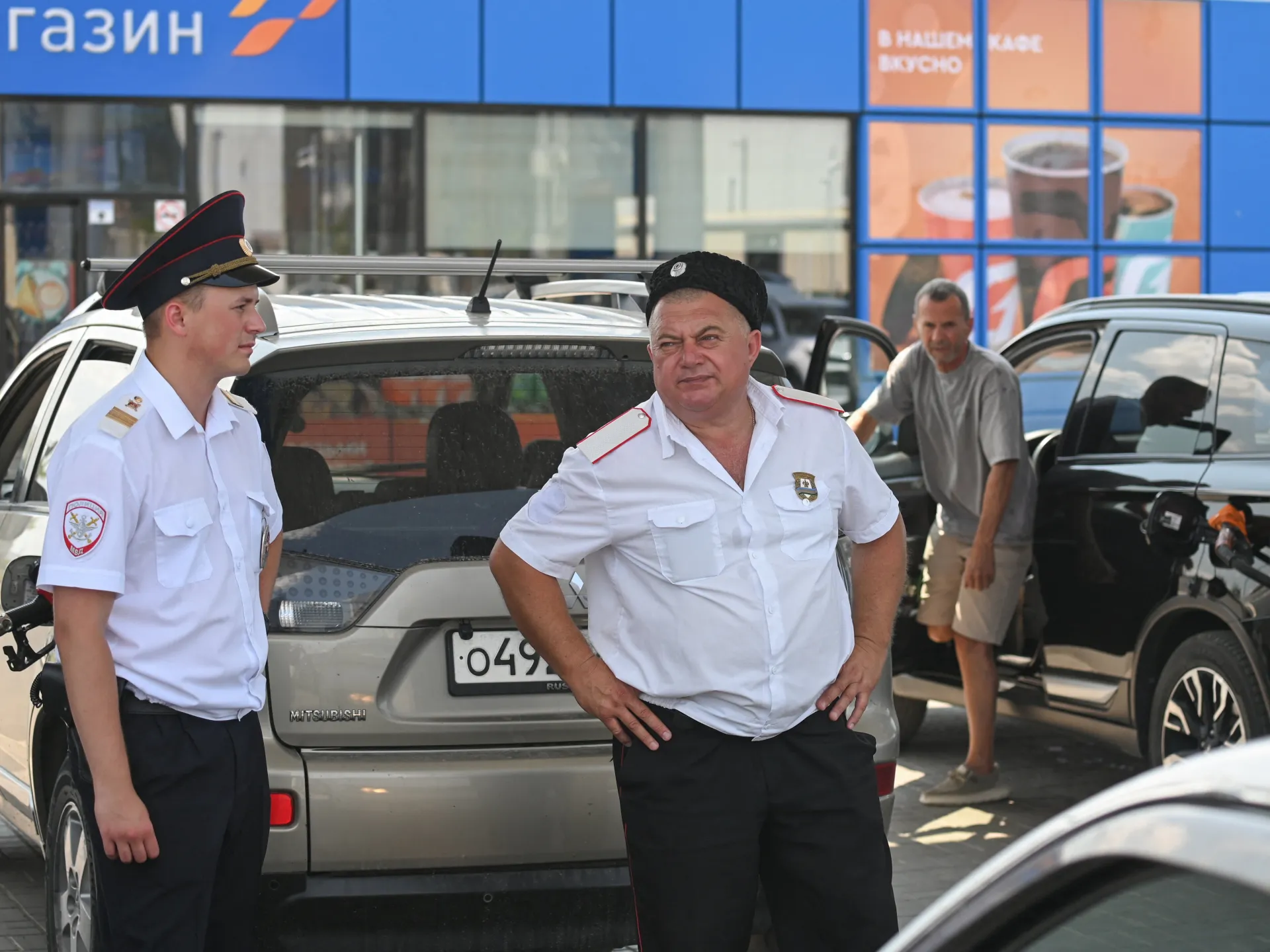
Throughout much of this year, Ukrainian drones have conducted repeated strikes on Russian oil refineries and fuel storage facilities, targeting sites stretching from annexed Crimea to the Baltic coast and into western Siberia. The attacks have left thick columns of smoke rising across Russian territory and created cascading supply disruptions that tens of millions of Russians are now confronting through long queues, rationing, and occasional confrontations at petrol stations.
Russians Cross the Border for Fuel
Russians living in regions adjacent to Kazakhstan — particularly the densely populated urban corridor along the Volga River — have been driving hundreds of kilometres into Central Asia simply to fill their tanks. Kazakhstan, despite possessing three large Soviet-era oil refineries and significant hydrocarbon reserves, banned petrol exports in late May in an attempt to protect its own supply.
Border authorities report intercepting hundreds of attempts to smuggle fuel back into Russia using canisters, improvised tanks, and large fuel trucks. However, the sheer scale of the shared border — stretching 7,644 kilometres across open steppe, making it the world's second-longest land boundary — means enforcement is far from complete. Smuggling continues through remote crossings, according to sources familiar with the situation.
A businessman in Almaty, speaking anonymously for safety reasons, described the situation plainly: "There's total contraband along the border." Despite efforts to contain the flow, fuel prices in Kazakhstan have risen by 15.6 percent this year, reflecting the strain on domestic supplies caused by the surge in cross-border demand.
Kyrgyzstan and Tajikistan Hit Hardest
The countries feeling the most acute pressure are Kyrgyzstan and Tajikistan — both mountainous, resource-poor nations that previously sourced up to 90 percent of their petrol from Russia. Analysts describe them as the most exposed to the disruption.
Galiya Ibragimova, a Central Asia analyst with Carnegie Politika, noted that Tajikistan in particular received discounted Russian fuel not purely on commercial terms, but as compensation for political alignment with Moscow. That preferential arrangement has now been undermined by the supply crisis.
A critical factor in the regional shortage was the damage inflicted on Russia's largest oil refinery, located in the city of Omsk in southwestern Siberia. Ukrainian drone strikes in early July reportedly damaged a core crude distillation unit, halting operations. Kyrgyz energy experts have cautioned that repairs to such complex industrial infrastructure could take months or even years.
"Equipment for oil refineries is not a delivery from an online shop or a supermarket," energy expert Olzhas Baydildinov said in televised comments. "The deficit that has come is here for a long time."
Kyrgyzstan has moved to regulate domestic petrol prices and reached out to other former Soviet states for assistance. The government has also pledged to partially cover national needs through upgrades to its own refining capacity, though no timeline has been confirmed. Authorities reported spending around $11.4 million subsidising fuel prices by mid-August.
Tajikistan Turns to Iran and China
Tajikistan faces particularly severe conditions. Domestic oil processing covers only around 0.5 percent of national fuel consumption. Drivers at some stations have already been limited to 20 litres per vehicle. In response, the government announced it had accumulated reserves sufficient for at least 60 days.
In mid-August, Tajikistan's deputy energy minister travelled to Tehran and signed an agreement covering the supply of 2.5 million tonnes of oil, petrol, and diesel from Iran. Separately, the country has partnered with China's state-owned oil giant, China National Petroleum Corporation, to conduct seismic surveys aimed at identifying potential domestic oil fields. Results are expected by the end of the year, after which drilling decisions will be made.
Uzbekistan Prepares Strategic Reserves
Uzbekistan, the region's largest economy with a population approaching 39 million, produces enough oil domestically to meet roughly two-thirds of its petrol needs. The remainder typically comes from Russia, often resold through Kyrgyzstan and Tajikistan. As those supply chains fray, Uzbekistan has begun building strategic fuel reserves.
The country's deputy energy minister stated that reserves sufficient for two to three months had been set aside ahead of the autumn and winter season. Some Uzbek drivers, however, have remained relatively insulated from the crisis — particularly those who converted their vehicles to run on compressed natural gas years ago, a common and cost-effective choice in the country.
Broader Pressures and Beijing's Quiet Gains
Regional governments are actively seeking alternative fuel suppliers, but global oil markets are being further strained by military conflict involving the United States and Israel in Iran, a country bordering the strategically vital Strait of Hormuz. Analyst Ibragimova warned that even if Central Asian nations identify new suppliers, higher costs are likely unavoidable.
Amid the turmoil, China appears to be among the few beneficiaries. Electric vehicle sales across the region — predominantly Chinese-made models — have surged dramatically. In Kazakhstan alone, sales grew 36-fold between 2022 and 2025, according to a report by the Carnegie Russia Eurasia Center, underscoring how Beijing's automotive industry has steadily expanded its foothold as the region's energy vulnerabilities deepen.