Jake Lang Arrested After Minneapolis Rally Turns Violent
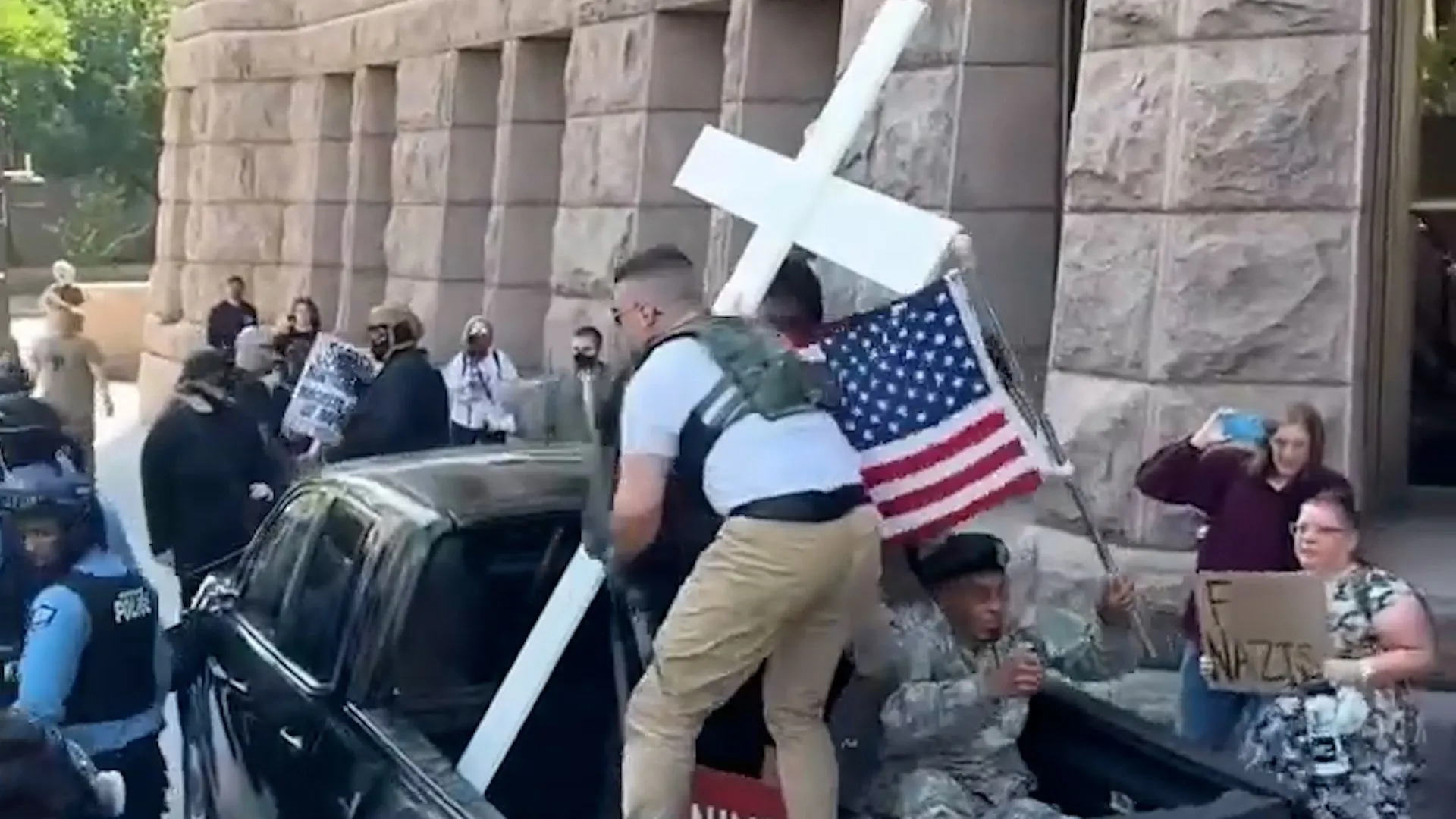
Far-right influencer and activist Jake Lang has been taken into police custody following a series of confrontations that broke out near Minneapolis City Hall. The incident unfolded during a rally organized by Lang and his supporters, which quickly escalated into a clash with counter-protesters gathered in the area.
What Happened During the Confrontation
According to local law enforcement officials, the situation deteriorated when Lang and members of his group allegedly drove their vehicles toward individuals who had assembled to oppose the rally. During the confrontation, authorities say chemical irritants were sprayed at counter-protesters, raising the intensity of an already tense standoff.
Police moved in and detained Lang on probable cause for riot. The arrest marked a significant moment in what has been an increasingly charged environment surrounding far-right organizing events in the Minneapolis area.
Who Is Jake Lang?
Jake Lang is a prominent figure within far-right online communities, known for his inflammatory rhetoric and his involvement in various politically charged demonstrations across the United States. He has cultivated a substantial following on social media platforms, where he regularly posts content aligned with extreme nationalist viewpoints.
Lang has previously drawn attention from law enforcement and civil rights organizations due to his participation in events that have, on multiple occasions, resulted in civil unrest. His activities have been a point of concern for local officials in cities where he has organized or attended rallies.
Police Response and Legal Proceedings
Minneapolis police confirmed that Lang was arrested at the scene and that the investigation into the broader incident remains ongoing. Authorities have indicated that additional arrests or charges related to the clash may follow as law enforcement continues to review evidence from the confrontation.
Legal analysts note that an arrest on probable cause for riot carries serious potential consequences under Minnesota law, which defines riot as the use of force or violence by three or more individuals in a way that disturbs the public peace. If formally charged and convicted, Lang could face significant legal penalties.
It remains unclear at this stage whether Lang has retained legal counsel or entered a formal plea. No official statement from Lang or his representatives had been issued at the time of reporting.
Reactions From Local Officials and Community Groups
The incident has prompted reactions from a range of community voices in Minneapolis. Some local officials expressed concern about the growing frequency of politically motivated demonstrations turning violent, calling on state and local authorities to take a firmer stance on events deemed likely to incite unrest.
Civil rights organizations active in the Minneapolis area described the confrontation as emblematic of broader tensions being fueled by far-right organizing. Counter-protest groups, meanwhile, maintained that their presence was a peaceful and constitutionally protected response to what they characterized as the promotion of hateful ideology.
On the other side, supporters of Lang argued that his rally was a legitimate exercise of free speech and that the violence was provoked by counter-protesters rather than initiated by Lang's group. These claims stand in contrast to the account provided by local police.
Broader Context
The events in Minneapolis are taking place against a backdrop of heightened political polarization across the United States. Far-right rallies and counter-demonstrations have become increasingly common in major cities, with clashes between opposing groups raising public safety concerns and putting pressure on local law enforcement agencies to manage such events effectively.
Minneapolis itself carries particular historical weight in conversations about civil unrest, protest, and community safety. The city has remained a focal point for politically charged gatherings in recent years, and this latest incident is likely to reignite debates about how municipalities balance free speech protections with the obligation to maintain public order.
Authorities have urged the public to remain calm and to allow the legal process to proceed. Community leaders have called for de-escalation and dialogue, warning that further confrontations of this nature risk deepening divisions within the city.
As the investigation continues, all eyes will remain on how prosecutors choose to proceed with the case against Lang and whether the arrest will have any measurable effect on the activities of far-right groups operating in the region. The legal outcome of this case may also set a precedent for how similar incidents are handled in the future.