A Crisis of Unprecedented Scale
One hundred days into the Democratic Republic of the Congo's 17th Ebola outbreak, the numbers are staggering. As of August 21, more than 5,290 confirmed cases and 2,516 deaths have been recorded across 56 health zones. The outbreak, caused by the Bundibugyo strain of the virus, is now the second-largest Ebola outbreak in history — and it is spreading faster than any previous one.
The World Health Organization declared a Public Health Emergency of International Concern shortly after the DRC government's official declaration. Africa CDC followed with its own declaration of a Public Health Emergency of Continental Security. The scale and speed of transmission have placed enormous pressure on health systems already weakened by decades of armed conflict, displacement, and fragile infrastructure.
Communities at the Heart of the Response
Public health leaders who have visited affected areas, including the city of Bunia, report a consistent message from community representatives — survivors, women, youth groups, local organizations, and health workers — all calling for greater inclusion in the response effort.
Their core argument is straightforward: communities understand where families seek care, how information circulates, and why trust in health authorities has eroded. When communities are empowered to act alongside national authorities, outbreaks can be contained more quickly. They can identify illness early, support contact tracing, counter dangerous misinformation, and facilitate safe, dignified burials — all of which are critical to cutting transmission chains.
Frontline Workers Facing Extreme Risks
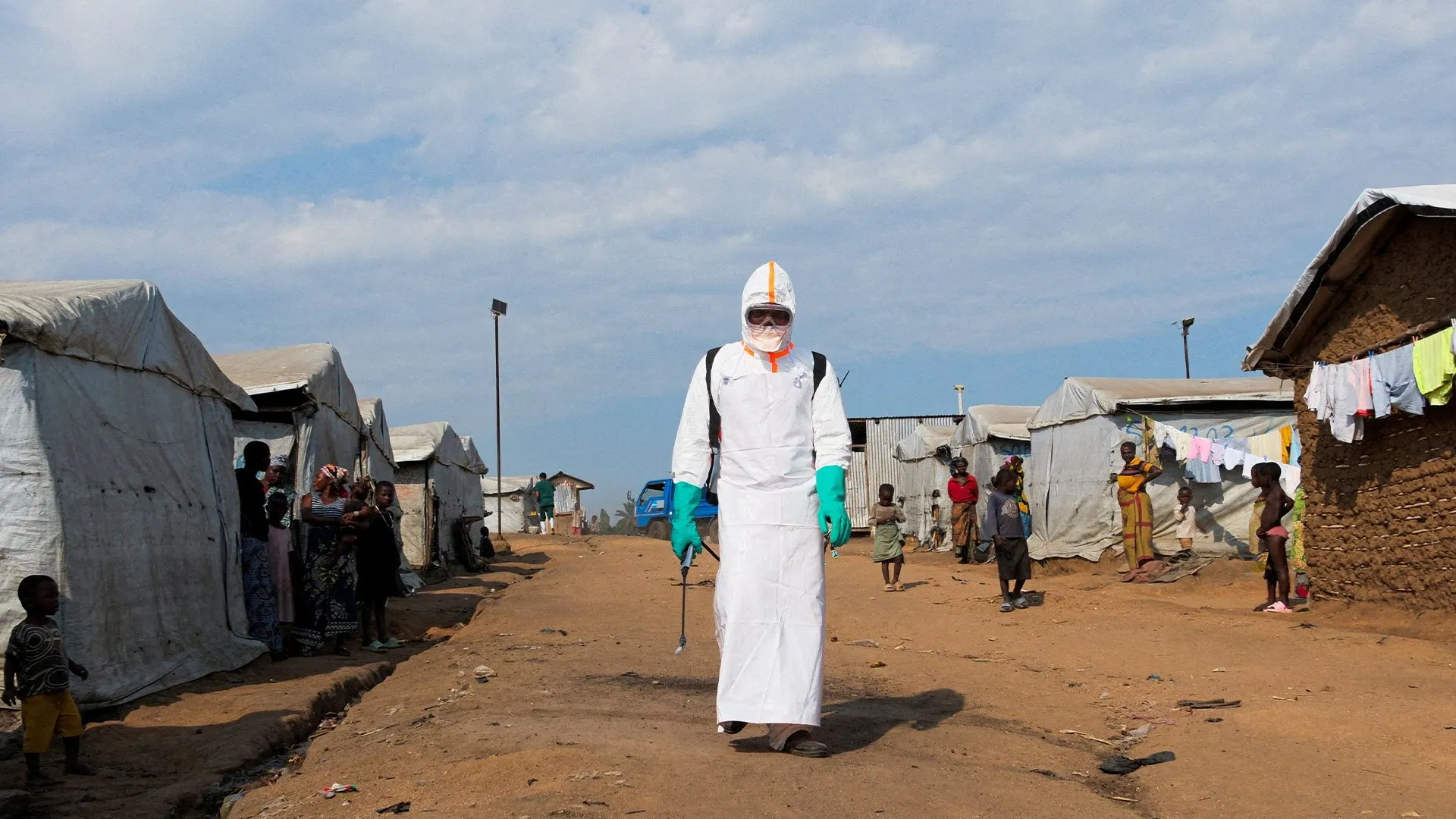
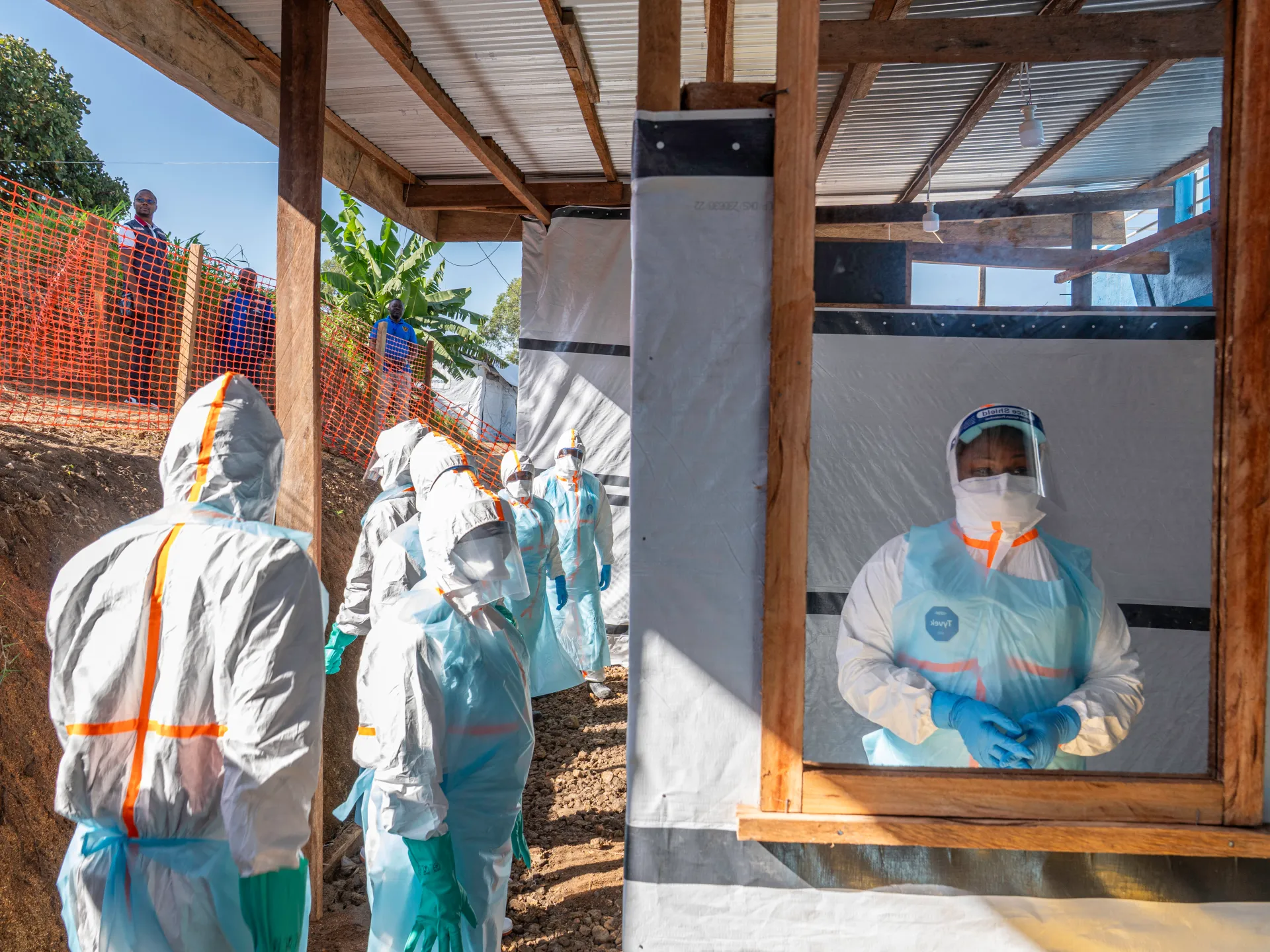
At the center of the daily response are health workers, laboratory technicians, contact tracers, community health workers, and burial teams operating under severe and often dangerous conditions. Many work in areas affected by armed conflict with limited access to essential supplies and support.
As of August 20, 158 health workers had been infected and 45 had died. These figures underscore the urgent need for comprehensive protections, including personal protective equipment, timely payment, psychosocial support, and rapid access to diagnosis and high-quality medical care for those who fall ill. Protecting frontline workers is not only a moral obligation — it is a practical necessity for controlling the outbreak.
Progress Made, But Gaps Remain
There are signs that coordinated action can work. Uganda has successfully interrupted locally acquired transmission. Several health zones in the DRC's northern Ituri and South Kivu provinces have also managed to break transmission chains. These results demonstrate that rapid detection, strong national leadership, and close collaboration with communities can turn the tide.
However, the outbreak continues to rage in Ituri province and five other provinces, requiring a significantly expanded response. Current estimates suggest that capacity must be scaled up two to three times across all response areas, including surveillance, laboratory services, treatment, infection prevention, logistics, and community engagement.
What Needs to Happen Now
Public health officials have outlined a clear set of priorities for accelerating progress against the outbreak:
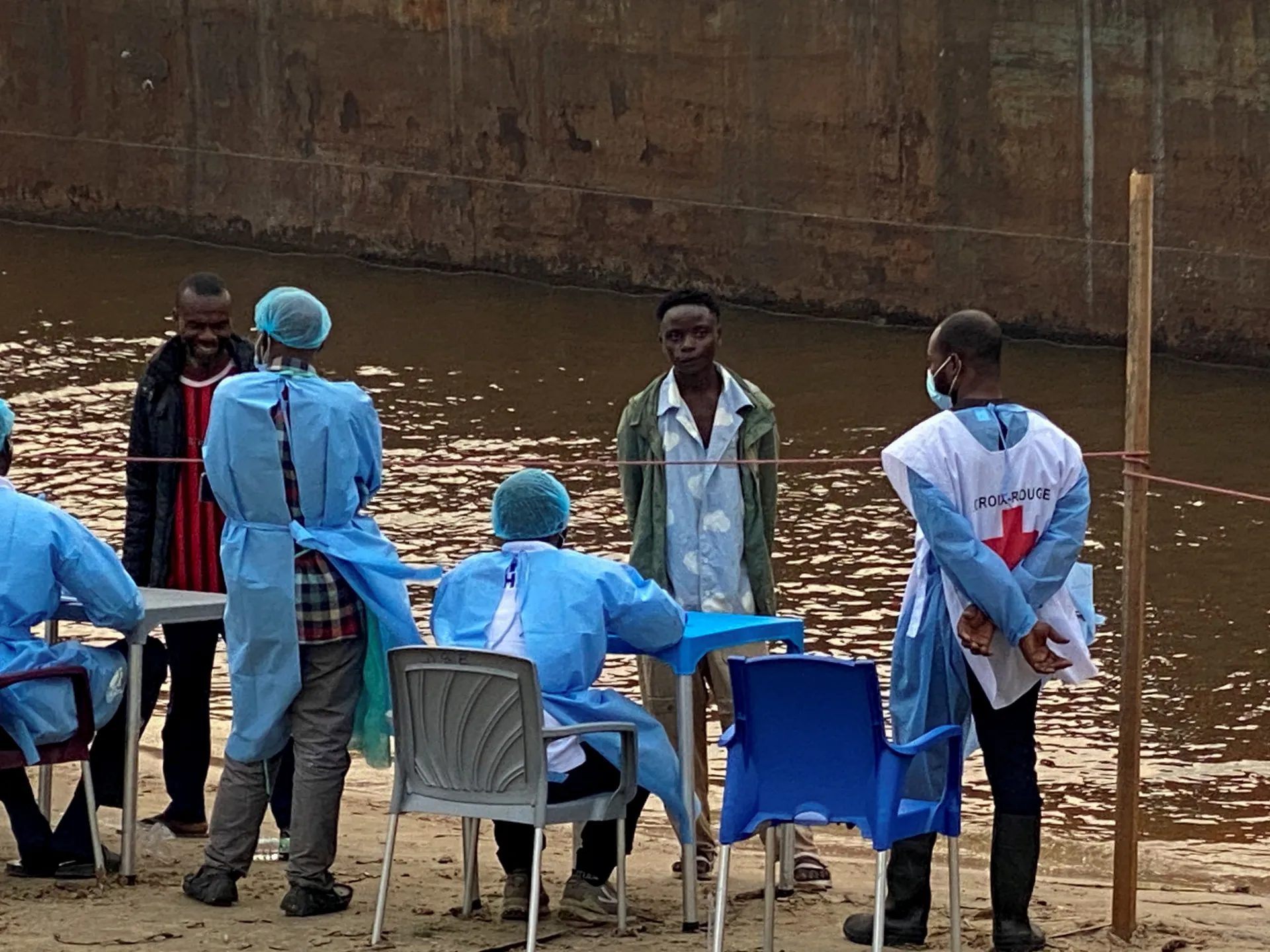
- Expand surveillance: More teams must be deployed to detect cases early and rapidly trace contacts across affected areas.
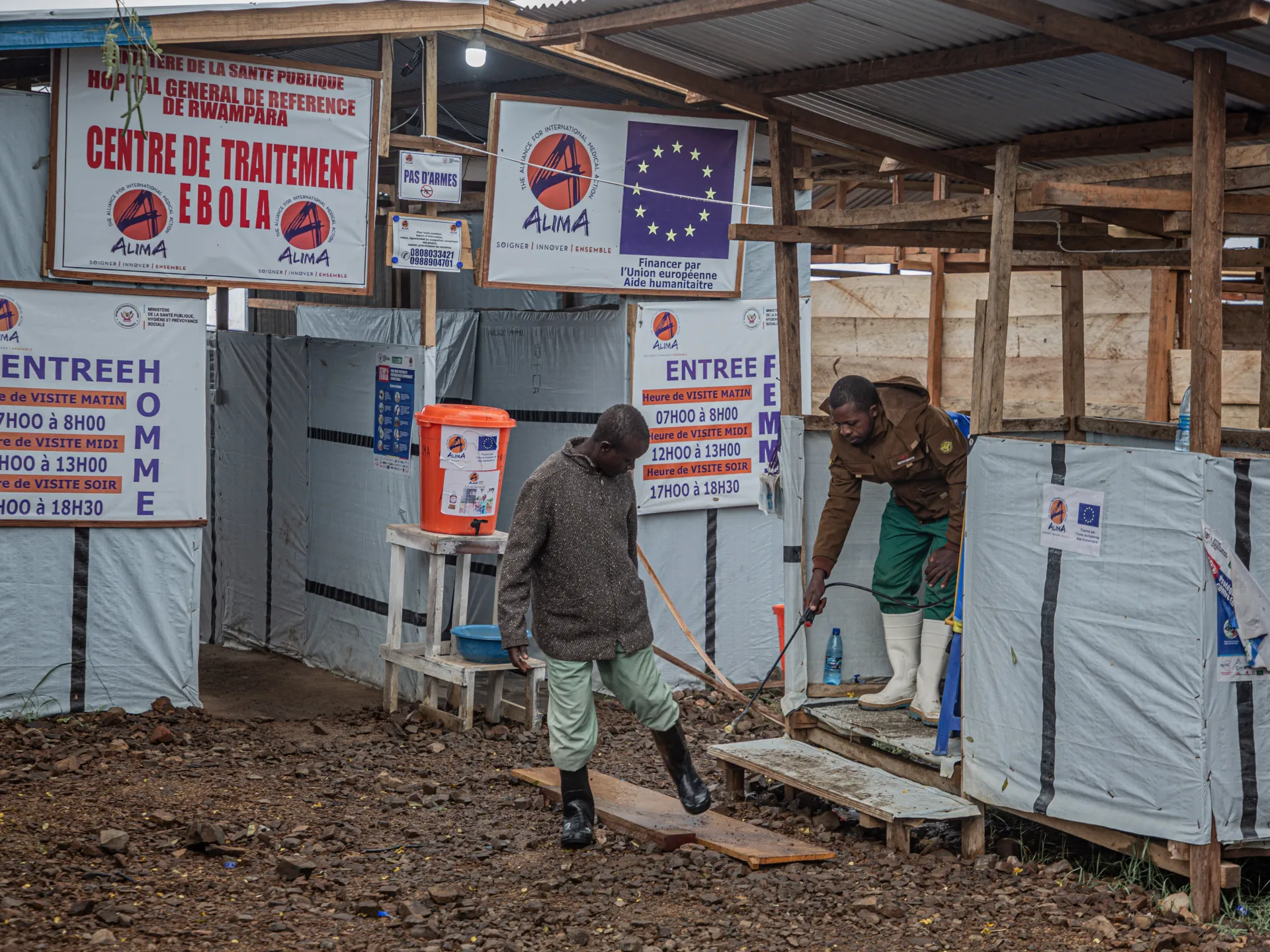
- Strengthen clinical care: Safe treatment options and robust infection prevention measures must be available wherever patients seek help.
- Protect health facilities: Every facility in an affected or high-risk zone needs trained personnel, protective equipment, clean water, sanitation, and functional infection-control systems.
- Ensure consistent funding: Delayed or fragmented financing creates gaps that the virus exploits. Frontline workers must be paid on time, and local organizations need reliable support to maintain community engagement.
- Reinforce cross-border coordination: People routinely move across borders for trade, healthcare, education, and family reasons. Coordinated surveillance and information-sharing along movement routes — not border closures or blanket travel restrictions — are the appropriate public health tools.
The Role of International Support
Global donors and partners are being called upon to provide integrated support rather than funding disconnected or siloed initiatives. WHO and Africa CDC have worked to coordinate health and relief organizations operating alongside the DRC government, and that cooperative framework needs consistent backing.
Experts warn that imposing travel or trade restrictions would disrupt response operations and hurt livelihoods without meaningfully stopping transmission. Instead, the focus must remain on sharing information rapidly, preparing health services along key transit routes, and sustaining investment in all response pillars simultaneously.
A Path Forward
The lessons of the first 100 days are clear. Finding every case, following every contact, protecting every frontline worker, and reaching every affected community are not aspirational goals — they are operational necessities. Areas that have succeeded in interrupting transmission have done so through rapid detection, decisive action, and deep community cooperation.
Achieving those results at the scale needed to end the outbreak will require sustained national leadership from the DRC, continental solidarity across Africa, and robust, coordinated international support. The situation is serious, but the evidence shows it can be reversed — if commitments are translated into consistent, well-resourced action on the ground.