A New Geopolitical Chapter for Africa
The ongoing disruptions to global shipping, such as those experienced in the Strait of Hormuz, have significantly impacted African economies, despite the continent's abundant energy and natural resources. This mirrors the challenges faced during the Russia-Ukraine conflict four years prior. As the world transitions into what some describe as a 'post-Hormuz era'—a period where global stability is no longer dictated by a singular maritime chokepoint—Africa has a unique chance to alter its economic trajectory and move from the periphery to a central position in global geopolitics. This shift offers the continent the ability to actively shape its own geopolitical context, rather than merely reacting to decisions made elsewhere.
Overcoming Historical Maritime Aversion
A crucial initial step for Africa's transformation involves overcoming a historical tendency to view the sea primarily as a physical barrier, rather than a vital space for economic, political, and military influence. For decades, African strategic thinking was predominantly shaped by land-based threats like liberation wars, civil conflicts, insurgencies, coups, and border disputes. Maritime considerations remained secondary in both public policy and the strategic outlook of elites. This legacy explains the extensive focus on land security compared to limited discourse on maritime power, the blue economy, oceanic corridors, and naval projection.
Another significant hurdle is the reluctance of African states to collectively embrace the political, financial, and institutional costs associated with a unified continental maritime strategy. Instead, they often opt for fragmented national responses over an integrated vision for the African domain.
Structural Challenges to a Unified Maritime Strategy
Several structural factors contribute to this fragmentation:
- Sovereignty Concerns: African states, having inherited colonial borders, enshrined territorial inviolability as a foundational principle post-independence. However, a common maritime strategy necessitates sharing sovereign prerogatives, including jurisdiction over exclusive economic zones, rules of engagement, joint commands, and sensitive intelligence.
- Diverse Interests: Africa possesses multiple maritime fronts, each facing distinct threats. These include piracy and oil theft in the Gulf of Guinea, illegal fishing and trafficking in the Western Indian Ocean, and migratory flows in the Mediterranean. Harmonizing such varied priorities into a single agenda proves challenging, often leading to fragmented approaches.
- Cost and Capability: Developing robust maritime capabilities—naval forces, coast guards, surveillance, intelligence, and logistics—is exceptionally expensive. Few states can sustain these independently. Given that maritime security is a collective good, the classic problem of collective action arises, where individual states may wait for others to bear the financial burden.
- Outsourcing Security: The consistent presence of foreign navies in African waters, through international missions, military bases, or bilateral agreements, provides a form of maritime security. This functional dependence can discourage the development of indigenous capabilities.
- Elite Incentives: Political and financial benefits often accrue more readily from bilateral relationships with external powers than from regional integration, channeling resources from outside inwards.
- Competing Priorities: Internal insurrections, border disputes, and domestic security concerns frequently absorb national budgets and attention, consistently postponing maritime issues.
Cultivating a Geopolitical Consciousness
In Africa, the sea often remains politically overlooked, gaining prominence only when an international crisis highlights the continent's reliance on global maritime corridors. Consequently, Africa's vast strategic resources—including oil, natural gas, critical minerals for the energy transition, and its pivotal geographical position connecting the Atlantic, Indian Ocean, and Mediterranean—do not translate into geopolitical autonomy. To overcome this long-standing challenge, Africa must forge its own geopolitical context. This involves defining continental priorities across maritime security, infrastructure, energy, value chains, industrial integration, foreign policy, and, crucially, strategic autonomy.
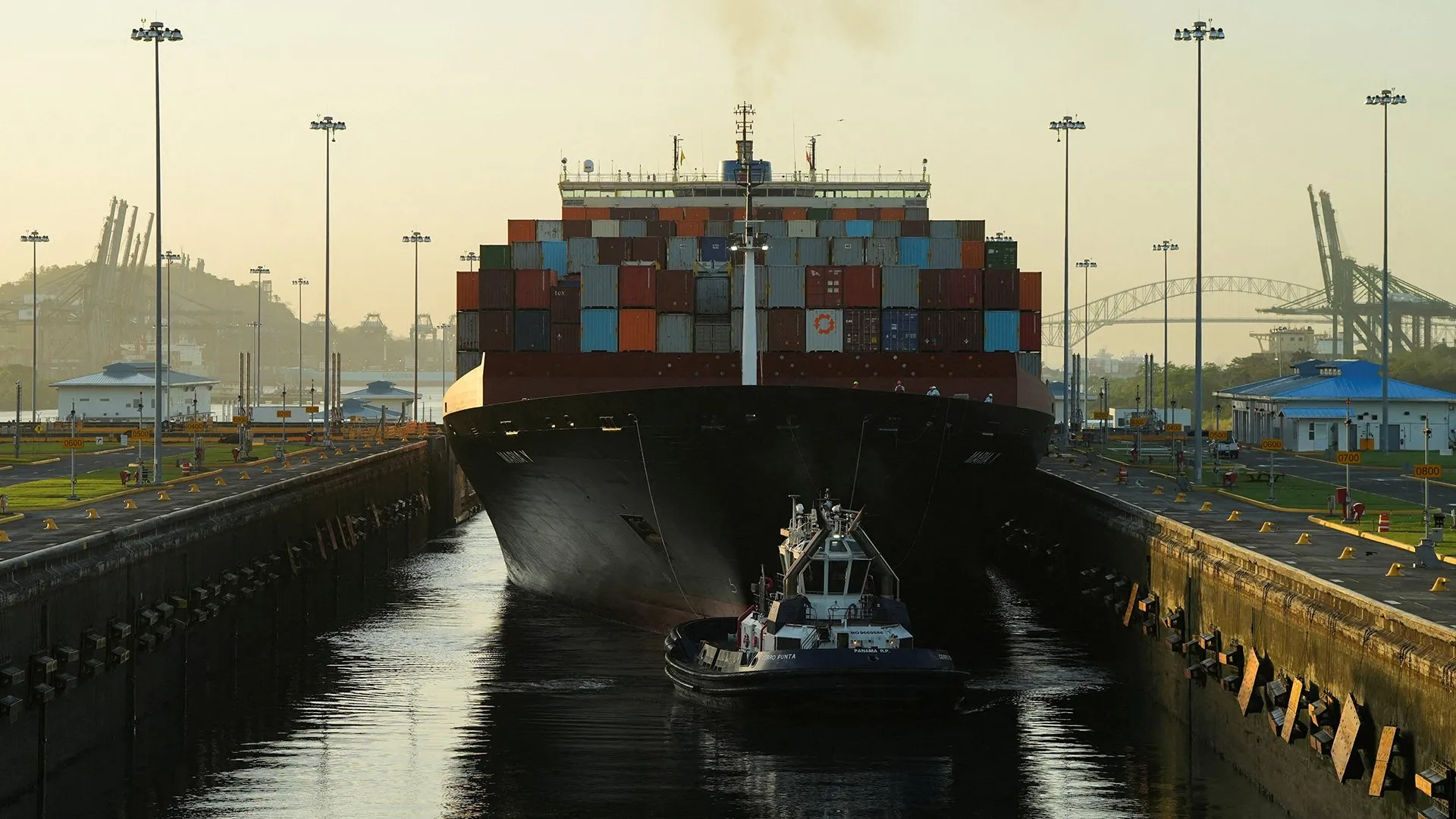
The concept of the 'post-Hormuz era' underscores this necessity. It signifies a transition from a geopolitical system dominated by a single energy chokepoint to a polycentric system. In this new landscape, global economic security is determined by a network of strategic corridors: Hormuz, Bab al-Mandeb, the Red Sea, the Suez Canal, the Mozambique Channel, the Cape of Good Hope, the Western Indian Ocean, and potentially even the Arctic. Africa occupies a central position within this interdependent network, transforming it from a region merely traversed by global flows into an integral part of a system vital to the world economy.
Africa is not lacking in maritime strategies on paper; the African Union adopted the 2050 Africa's Integrated Maritime Strategy in 2014 and the African Charter on Maritime Security and Safety in 2016. However, the former remains largely unimplemented, and the latter awaits sufficient ratifications to come into force. What Africa requires is the geopolitical consciousness to translate these documents into actionable policies. The gap between proclaimed strategy and lived reality is a direct measure of strategic maritime aversion.
Key Actions for Africa's Maritime Future
Developing a geopolitical consciousness necessitates a fundamental shift in how African political elites perceive the sea. As long as it is primarily viewed as a frontier, an export route, or a space for external intervention, the political will to invest in indigenous maritime capabilities will remain elusive. The initial transformation must therefore be intellectual: recognizing the sea as a primary arena for asserting African power. This requires embedding maritime ambition within institutions, budgets, and command structures.
While expecting leadership solely from the African Union bureaucracy might be unrealistic, a more pragmatic approach would involve a coalition of influential anchor states with significant maritime interests and political resolve—such as South Africa, Nigeria, Egypt, Morocco, Kenya, Angola, and Senegal. These nations could act through regional economic communities and specialized mechanisms. A successful precedent exists in the Yaounde Architecture, established by Gulf of Guinea states, which created coordination and information-sharing centers that effectively reduced piracy in the region. This functional, endogenous, and replicable model should be extended to the Western Indian Ocean and the Mozambique Channel.
Six priority areas for concrete policy action emerge:
- Operationalize Existing Instruments: Ratify and implement existing maritime strategies and charters.
- Shared Maritime Domain Awareness: Establish common surveillance, integrate satellite and radar intelligence, develop interoperable coast guards, conduct joint patrols, and create agreements allowing officials from one state to operate on vessels of another.
- Sustainable Financing: Create an African maritime security fund, supported by indigenous resources and the African Development Bank, to reduce dependence on external donors.
- Integrate with AfCFTA: Link maritime efforts with the African Continental Free Trade Area, positioning ports and corridors as the physical backbone of continental integration.
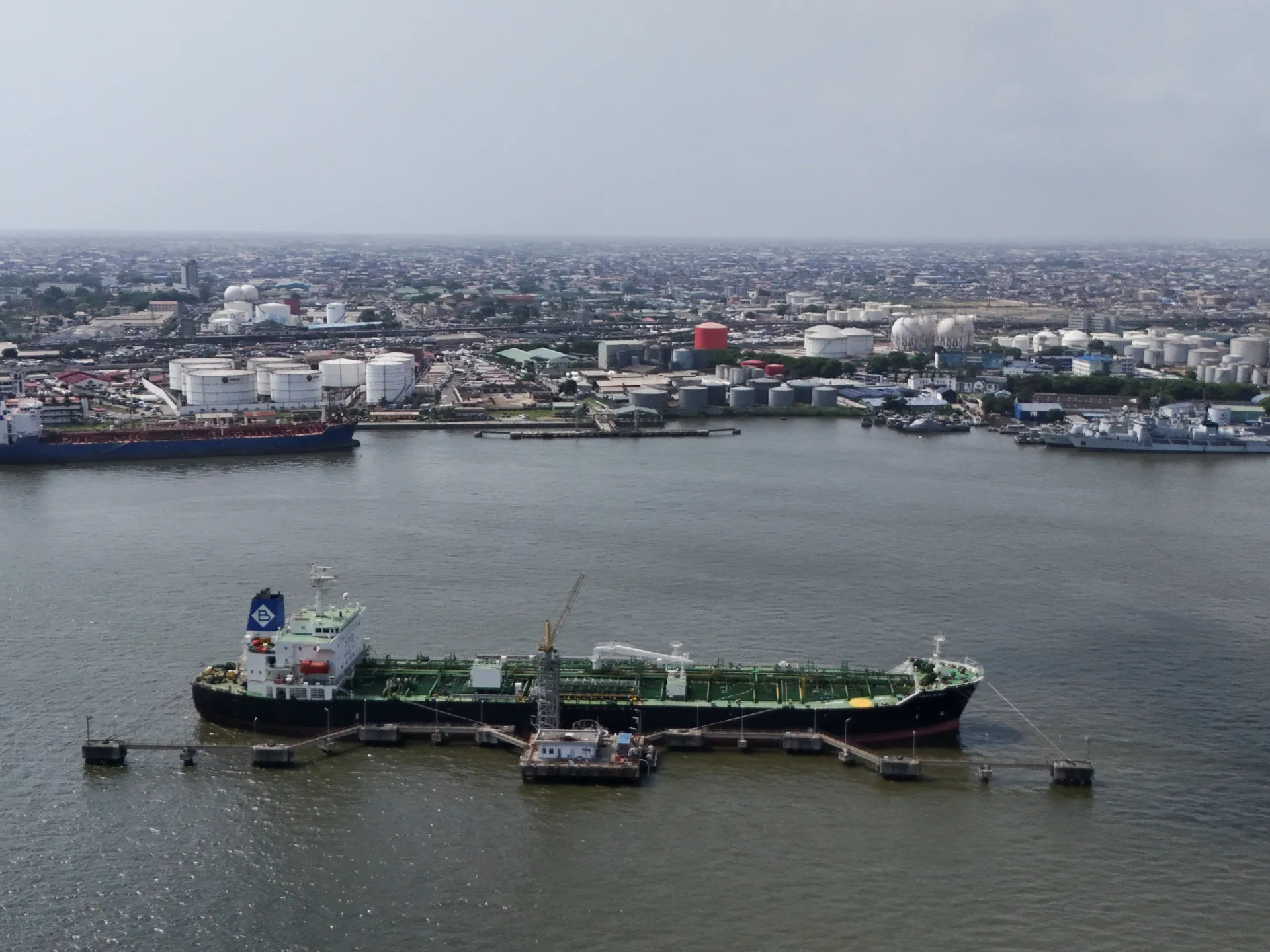
- Enhance Energy Resilience: Develop refining capacities and strategic storage to enable producers to process crude domestically, reducing vulnerability to chokepoint disruptions.
- Invest in Human and Industrial Capital: Support maritime academies, hydrography, ship repair and shipbuilding, African flag registries, and develop indigenous maritime insurance to capture value currently lost to the continent.
Ultimately, geopolitical consciousness becomes tangible when it translates into adequately funded institutions, executed budgets, and operational commands, rather than merely more documents awaiting ratification or external financing. The post-Hormuz era is not a threat to Africa; it represents perhaps its most significant window of opportunity. The critical question is not whether Africa will secure a place in the new global geopolitics, as that place is assured by its geography and resources. Instead, the real challenge is whether the continent will demonstrate the strategic vision required to occupy this position as an active participant, rather than a passive object, of history.