President Lula Highlights Economic Potential of Offshore Amazon Oil
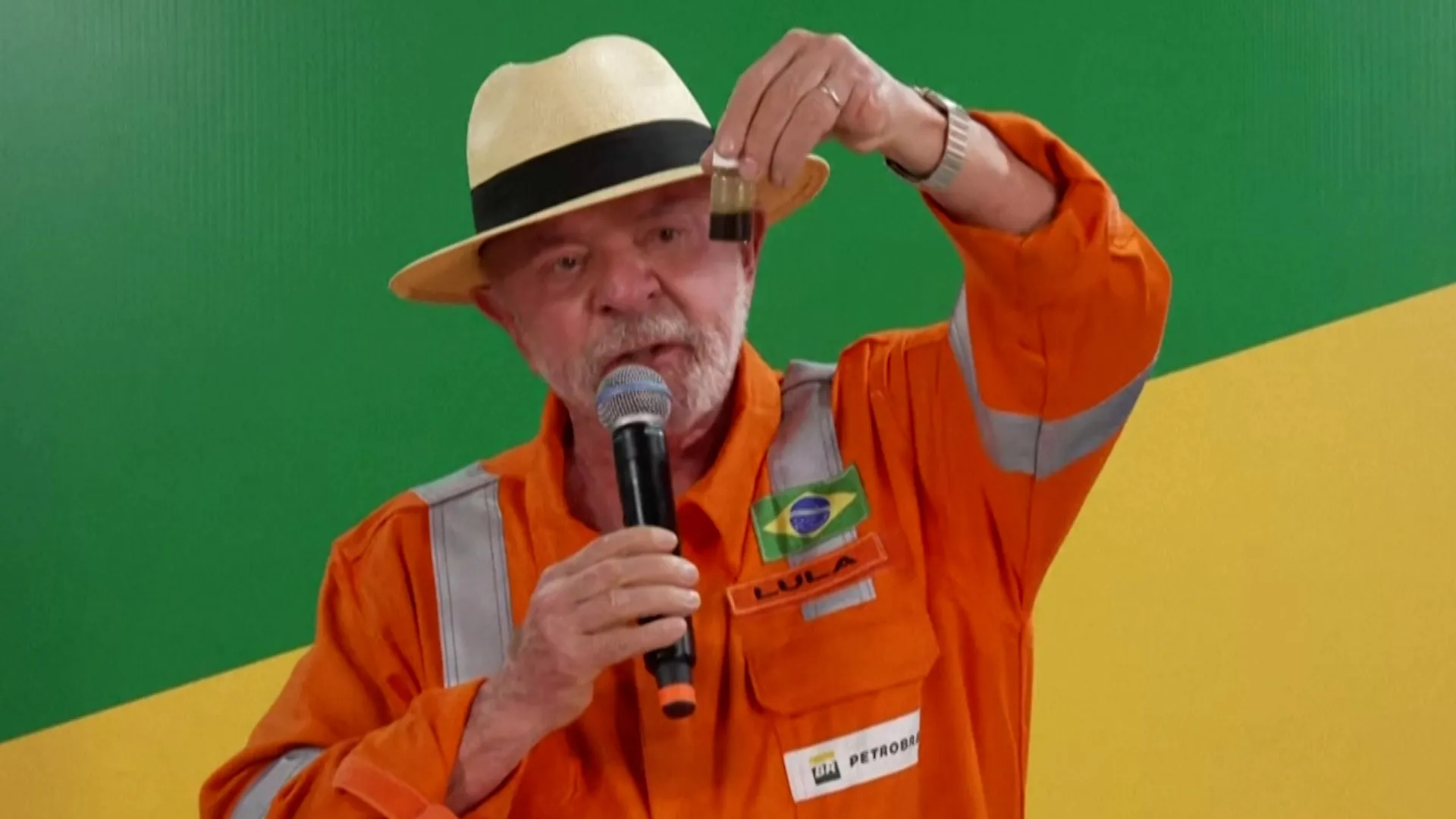
Brazilian President Luiz Inácio Lula da Silva has publicly expressed his strong support for the recent discovery of oil deposits located off the Amazon coast. He has framed this development as a crucial step for the country's economic trajectory, referring to it as a "passport to the future." This perspective emphasizes the potential for significant national growth and enhanced sovereignty through the utilization of these newfound resources.
The President's remarks underscore a strategic vision for Brazil, where the exploration and extraction of these oil reserves are seen as instrumental in bolstering the nation's financial stability and independence. The concept of a "passport to the future" suggests that the economic benefits derived from this oil could fund various national development projects, improve infrastructure, and create employment opportunities, thereby elevating Brazil's standing on the global stage. This approach prioritizes economic advancement as a means to achieve broader societal improvements and secure the country's long-term prosperity.
Environmental Concerns and Government Stance
Despite the President's optimistic outlook, the proposed oil drilling in the Amazon region has encountered considerable opposition from environmental organizations and advocates. These groups have consistently raised concerns regarding the potential ecological impact of such operations, particularly in an area as ecologically sensitive and biodiverse as the Amazon basin. Their arguments often highlight the risks of oil spills, habitat destruction, and the exacerbation of climate change through increased fossil fuel reliance.
Environmentalists contend that pursuing oil exploration in this critical ecosystem could lead to irreversible damage, affecting not only local biodiversity but also indigenous communities and the global climate. They advocate for a shift towards renewable energy sources and sustainable development models, arguing that the long-term environmental costs of fossil fuel extraction in the Amazon outweigh any short-term economic gains. The debate therefore centers on balancing economic development with environmental protection, a challenge that many nations face when confronted with resource discoveries in ecologically vital areas.
The Broader Context of Resource Exploitation
The discussion surrounding Amazonian oil is part of a larger global conversation about resource exploitation in sensitive environments. Nations rich in natural resources often grapple with the dilemma of leveraging these assets for economic benefit versus preserving their ecological integrity. For Brazil, a country with vast natural wealth, this challenge is particularly pronounced. The Amazon rainforest is globally recognized for its immense biodiversity and its crucial role in regulating the Earth's climate, making any industrial activity within its vicinity a subject of international scrutiny.
The President's assertion that the oil discovery will strengthen Brazil's national sovereignty reflects a desire to assert greater control over the nation's resources and destiny. This sentiment is often echoed by leaders in resource-rich developing countries who seek to reduce reliance on external economic powers and chart their own course for development. The ability to independently harness natural resources is frequently viewed as a cornerstone of national autonomy and a means to achieve self-sufficiency.
Economic Implications and Future Prospects
From an economic standpoint, the potential revenues from offshore Amazon oil could be substantial. These funds could be directed towards critical public services such as education, healthcare, and infrastructure development, areas where significant investment is often needed in rapidly developing economies. The creation of jobs, both directly within the oil industry and indirectly through supporting sectors, is another frequently cited benefit that could contribute to local and national economic upliftment.
However, the long-term economic viability of such projects also depends on global oil prices, operational costs, and the evolving landscape of energy markets. As the world increasingly shifts towards cleaner energy alternatives, the demand for fossil fuels may fluctuate, impacting the profitability and sustainability of new oil ventures. Therefore, while immediate economic gains may be attractive, strategic planning must also consider future market dynamics and the imperative for energy transition.
Balancing Development with Conservation
The ongoing dialogue between the Brazilian government and environmental groups highlights a fundamental tension between national development aspirations and global environmental responsibilities. President Lula's administration faces the task of navigating this complex landscape, aiming to harness economic opportunities while addressing legitimate ecological concerns. The decisions made regarding the Amazon oil reserves will likely have far-reaching implications, not only for Brazil's economy and environment but also for international efforts to combat climate change and preserve biodiversity.
Ultimately, the outcome of this debate will depend on the policies adopted, the regulatory frameworks implemented, and the extent to which a balance can be struck between exploiting natural resources for national gain and safeguarding the planet's ecological heritage. The path forward for Brazil in the Amazon will continue to be a subject of intense observation and discussion on both national and international fronts.