The Shifting Sands of Asylum in Europe
The fall of the previous government in Kabul in August 2021 prompted a mass exodus of Afghans, with many seeking refuge in European countries. Among them were individuals who had worked alongside international organizations and foreign governments, often placing them at significant risk from the new regime. While initial responses from European nations included evacuation efforts, the subsequent years have seen a gradual but notable shift in policy, leaving many Afghan refugees in a precarious state.
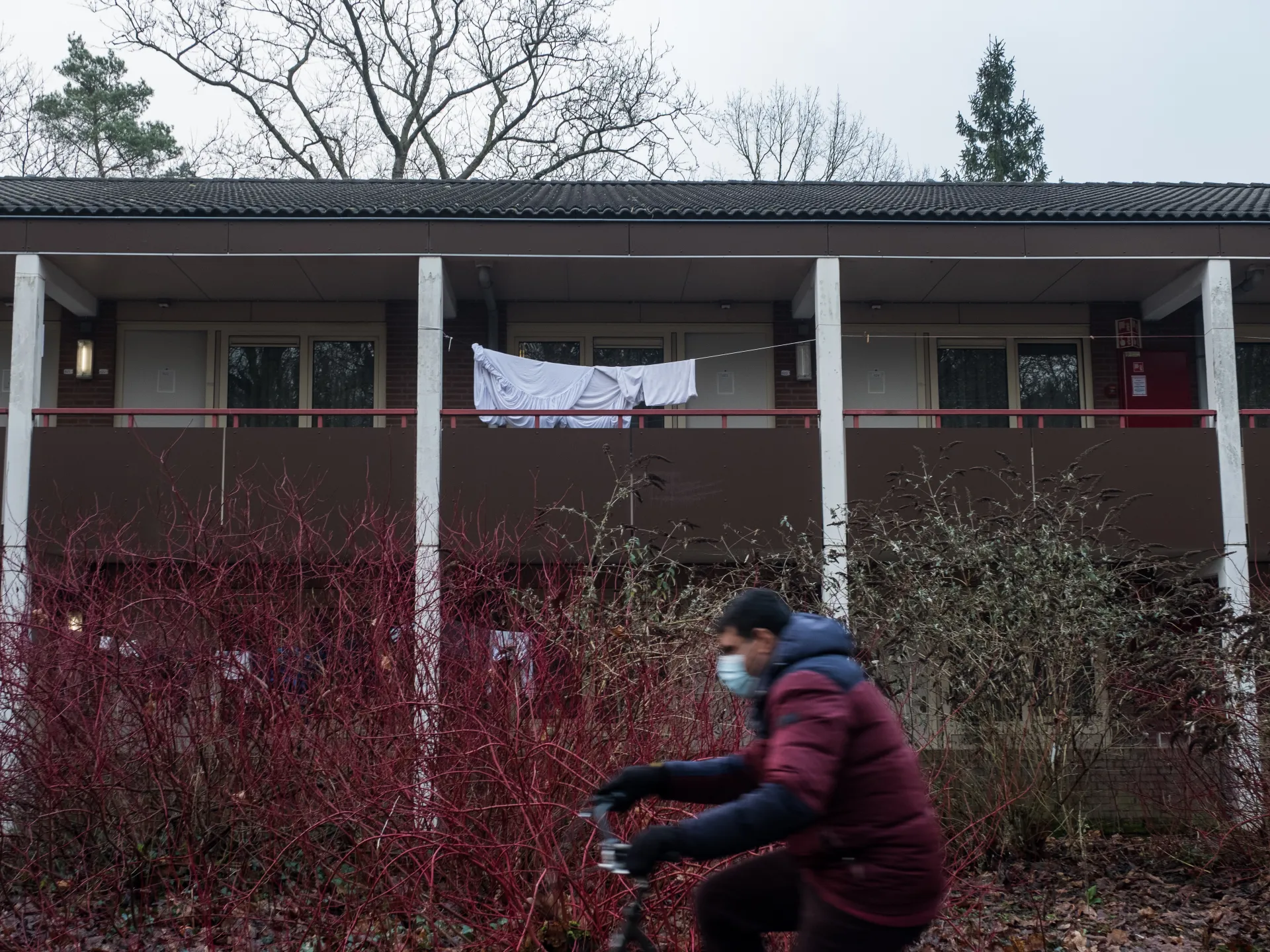
Abdul Wali, a former Afghan staff member who assisted a Dutch NGO and military interpreter, exemplifies the complex situation. He arrived in the Netherlands in November 2021 after lobbying efforts by Dutch politicians and military personnel, having faced threats from the Taliban due to his work. Five years later, Wali, his wife, and their four children had begun to build a new life in Steenwijk, a quiet Dutch town. They integrated into the community, learned the language, and Wali secured employment. The family even anticipated applying for Dutch passports. However, recent legislative changes by the Dutch government have cast a shadow over their hard-won stability.
From Promise to Precarity: The Dutch Experience
Wali possesses a special coin and certificate awarded by the Dutch government in 2023 for his service in Afghanistan, items he views as symbolic of a promise. Approximately 4,500 Afghan staff, including interpreters, security guards, and those working for the European Union’s police mission, along with their families, were evacuated from Afghanistan after the Taliban's resurgence. Despite these initial efforts, the chaotic nature of the evacuation process drew criticism, with many vulnerable Afghans reportedly left behind. Wali recounted the dangers faced by those who cooperated with foreign entities, stating, “We are a targeted group of the Taliban; we are known to them.”
The recent policy changes mean that thousands, like Abdul Wali, who were granted refugee status, now hold only temporary residency permits. This shift has plunged them into a state of limbo, creating significant anxiety and a sense of insecurity. “We and all the other families are now uncertain about our future; we are worried and feel unsafe,” Wali expressed. He believes the Dutch government bears a responsibility towards former staff members in Afghanistan, given the severe risks of Taliban reprisals they continue to face.
Europe's Broader Policy Shift and Engagement with the Taliban
Since the Taliban assumed power in 2021, around half a million Afghans have sought asylum in the European Union, according to the EU Agency for Asylum. Despite the EU's continued non-recognition of the Taliban administration, a notable meeting occurred on June 23 when 15 European ambassadors convened with a Taliban delegation in Brussels. The primary agenda item for this meeting was reportedly the potential return of Afghan refugees to Afghanistan.
This engagement signals a broader trend across Europe, driven by rising anti-immigration sentiment and the increasing influence of far-right political parties. European governments appear eager to demonstrate a commitment to stricter refugee policies, even if it entails working with the Taliban on repatriation efforts. Germany, for instance, became the first EU country to collaborate with Taliban-appointed diplomats in its Afghan missions in Berlin and Bonn. In 2024, Germany reversed a de facto ban on deporting Afghans back to Kabul. This decision followed two separate stabbing incidents in Germany involving Syrian and Afghan men that year. Over the past two years, approximately 200 individuals, predominantly those with criminal records, have been deported to Afghanistan. More recently, in late July, Germany deported an Afghan man who had no criminal record, marking a significant escalation.
Former Dutch Deputy Ambassador Cees Roels, who was stationed in Kabul during the Taliban’s takeover, expressed his dismay at the EU’s decision to foster relations with the Taliban. He remarked, “What the EU wants to do is create a system where the Taliban is the gatekeeper of European migration policies, and what people underestimate is that it is the Taliban that creates a situation that people want to move.”
Documents obtained by the Dutch newspaper NRC from Switzerland reveal that countries including the Netherlands, Germany, Denmark, and Norway are reportedly planning to deport a substantially larger number of refugees to Afghanistan. Greece has also indicated its intention to deport individuals.
The Human Cost of Policy Changes
Fridoon, a trained lawyer who worked for EUPOL Afghanistan and as a political assistant for the EU mission, is another Afghan grappling with an uncertain future. He is among 1,800 Afghan refugees who signed a letter to the Dutch government and parliament last year, seeking clarity on their precarious situation. “We didn’t choose to come here; we didn’t have a choice then to leave our country because of the work we did,” Fridoon explained, emphasizing the involuntary nature of their displacement. He added, “They have protected us [for the past] five years … and now we request that they will protect us still, especially our children. When we return, death will be waiting for us.” The constant fear of deportation to Afghanistan weighs heavily on him, often disrupting his sleep.
Back in Steenwijk, Abdul Wali’s children ride their bikes, oblivious to the complex political decisions that could drastically alter their lives. Wali reflects on their future, particularly the educational opportunities his daughters now enjoy. “They can’t wait to go back to school. I can’t even start to imagine what it would mean if, back in Afghanistan, our daughters can’t get an education any more,” he lamented, highlighting the profound implications of potential repatriation for an entire generation.