Conservative Leaders Rise Across Latin America
While Donald Trump's domestic approval ratings have taken a significant hit amid the ongoing war on Iran and continued tensions surrounding US support for Israel, his administration has pointed to Latin America as a relative foreign policy success story. Over the past eighteen months, a succession of right-wing leaders has risen to power across the region, many of them openly aligned with Washington's renewed interest in exercising influence throughout the Western Hemisphere.
Trump has referred to this broader strategy as the "Donroe Doctrine," a nod to historical US claims of dominance in the Americas. Critics, however, warn that the ascent of these leaders carries serious risks for ordinary Latin Americans, particularly given the long and troubled history of US partnerships with right-wing governments in the region.
Country by Country: A Region Shifting Right
Colombia
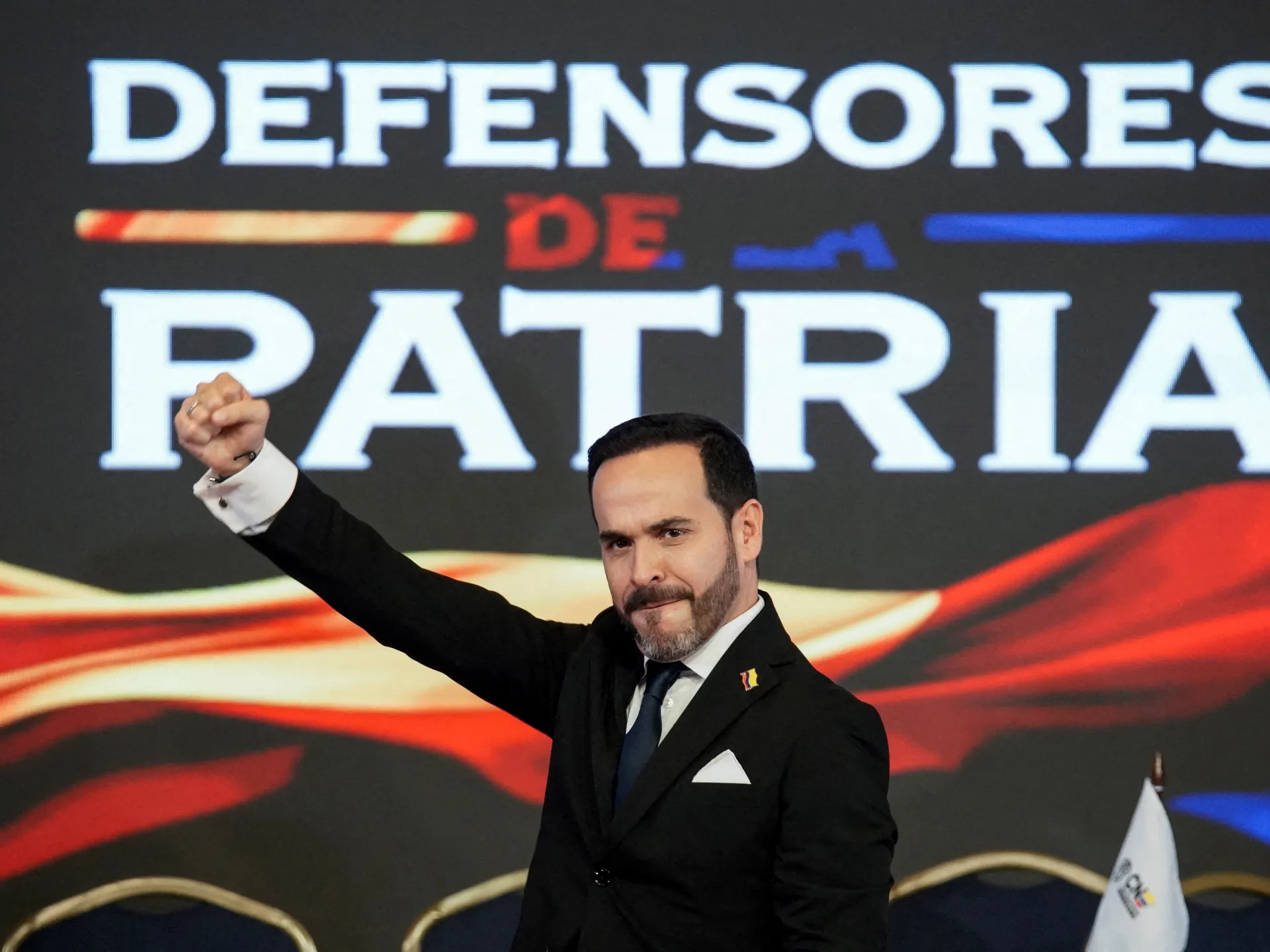
In Colombia, far-right businessman and former criminal defense attorney Abelardo de la Espriella was recently inaugurated as president. De la Espriella accumulated part of his legal wealth by representing paramilitary leaders — a background that has alarmed human rights advocates. He has pledged to aggressively pursue fracking and other resource extraction projects, raising significant environmental concerns. Colombia's history with US-backed military operations has been marked by civilian casualties, particularly in cases where the Colombian armed forces maintained close ties to paramilitary organizations.
Medellin, a major city in northern Colombia, has been designated as the headquarters for Trump's hemisphere-wide security initiative, known as "Shield of the Americas." This comes after four years of leftist governance under former President Gustavo Petro, who pursued policies aimed at reducing domestic inequality and who openly criticized US-backed Israeli military operations in Gaza.
Argentina
Argentina's Javier Milei continues to command attention with his radical libertarian agenda. His party performed strongly in October midterm elections, which followed a US-conditioned $40 billion financial bailout that critics argued was tied to a desired electoral outcome. Since taking power, Milei's sweeping elimination of social welfare programs has pushed millions of Argentinians into poverty, with homelessness visibly increasing on the streets of Buenos Aires.
Honduras
In January, right-wing businessman Nasry Asfura assumed the Honduran presidency. His path to power was reportedly eased by Trump's threats to cut off US aid to Honduras if the election did not go in Asfura's favor. Since taking office, Asfura's aggressive anti-crime campaign has been criticized for escalating rather than reducing violence in the country.
Chile, Ecuador, El Salvador, and Peru
Chile's Jose Antonio Kast, an admirer of the late dictator Augusto Pinochet and endorsed by Trump during the 2025 campaign, has moved quickly to implement hardline border policies, including the construction of trenches along Chile's frontiers. Ecuador's Daniel Noboa, El Salvador's Nayib Bukele, and Peru's Keiko Fujimori — daughter of the late former dictator Alberto Fujimori — have each adopted iron-fisted approaches to crime and security that critics argue fail to address the structural causes of poverty and criminality.
Common Threads Among the New Leadership
Observers have noted several shared characteristics among the new generation of Latin American conservative leaders. Most advocate for governance that favors business and wealthy elites over social spending, a stance broadly aligned with Trumpist economic philosophy. Many have also embraced tough-on-crime rhetoric that tends to result in mass incarceration and, in some cases, the erosion of civil liberties for the poor.
Anti-immigration sentiment is another shared trait. Scapegoating migrants and framing domestic problems as products of foreign influence has become a common political tool — one that analysts say serves to divert public attention from economic hardship and governance failures. The pattern mirrors tactics seen in the United States under Trump, where immigration policy has been used as a central political wedge issue.
Broader Implications and Historical Context
Political analysts have begun describing these trends as the "Trumpification of Latin America" or an "Orange Wave" sweeping the region. However, some note that authoritarian governance, economic inequality, and US interventionism are not new phenomena in the hemisphere. Both Republican and Democratic administrations in Washington have historically supported Latin American governments willing to prioritize US corporate and strategic interests, regardless of their human rights records.
The domestic record in the United States adds further context. A report released in August by Democratic members of the US Congressional Joint Economic Committee found that Trump's personal income more than tripled in 2025, reaching $2.2 billion, while American families collectively lost $219 billion and faced rising costs for basic necessities. Meanwhile, civil liberties concerns have mounted, with Immigration and Customs Enforcement officials accused of detaining international scholars, activists, and in some reported cases, fatally shooting US citizens.
As Washington deepens its engagement with aligned governments across Latin America under the banner of security cooperation and Western solidarity, the region appears poised for a period of heightened militarization and political realignment — the full consequences of which remain to be seen.