A Diplomatic Visit Derailed
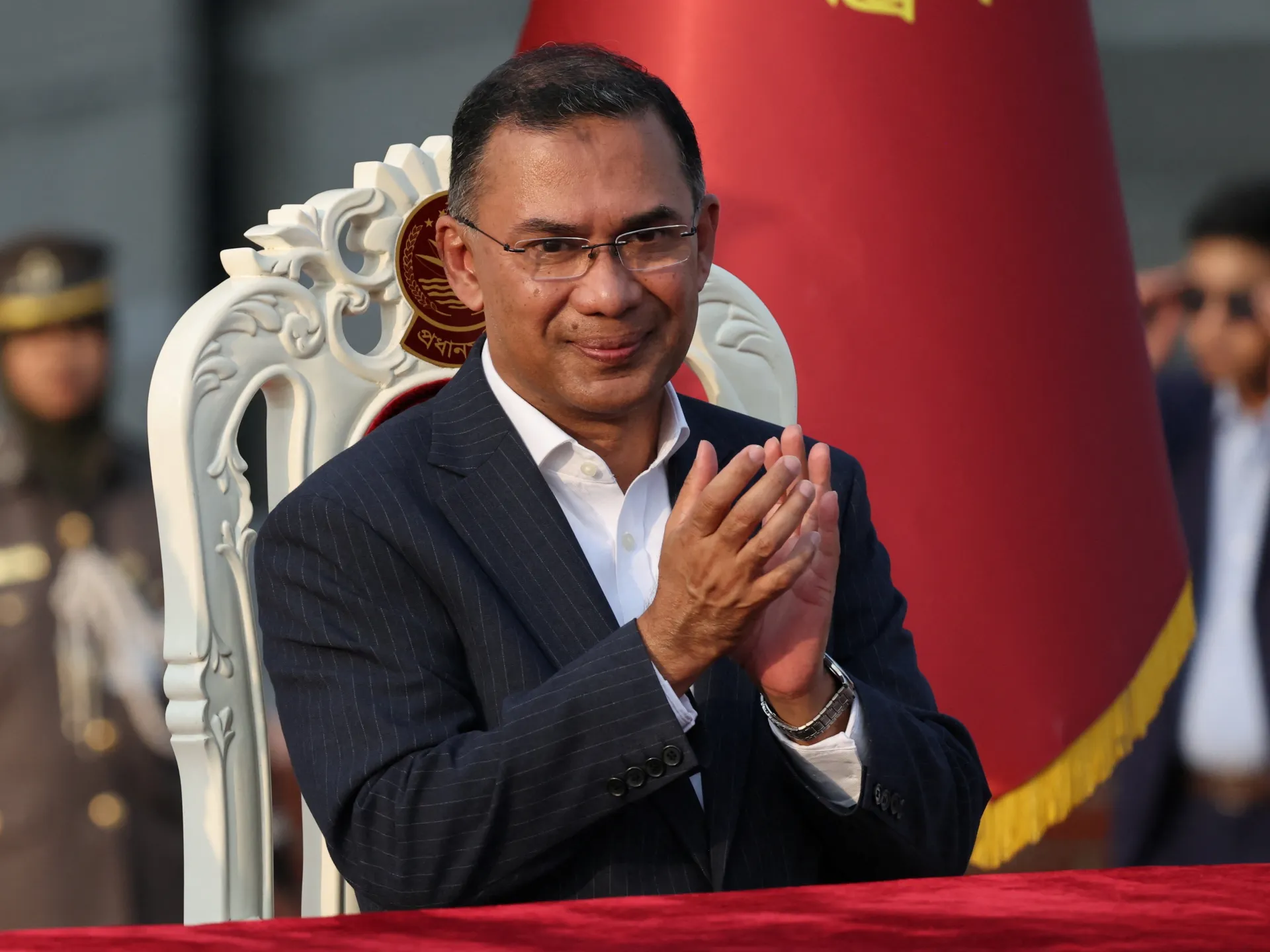
Plans for Bangladesh's Prime Minister Tarique Rahman to make his first official trip to India have come to a halt, exposing significant cracks in the relationship between the two South Asian neighbors. The visit was intended to take place in August, ahead of India's hosting of the BRICS summit next month, but it has been suspended indefinitely following a series of diplomatic flashpoints.
Rahman, who took office in February 2026, is the son of the late Khaleda Zia — the longtime political rival of former Prime Minister Sheikh Hasina. Despite this fraught political backdrop, Rahman had signaled a willingness to build constructive ties with New Delhi. However, those efforts have been derailed by ongoing disagreements, most notably over Hasina's continued presence on Indian soil.
The Press Conference That Changed Everything
The immediate trigger for the breakdown was a virtual press conference held by Hasina on August 5, marking two years since she was forced to flee Bangladesh during the student-led uprising of July 2024. Hasina addressed journalists at the Foreign Correspondents' Club in New Delhi, declaring her intention to return to Bangladesh.
Dhaka reacted sharply, stating that the event had "vitiated" the atmosphere and that a more favorable environment would need to be established before any prime ministerial visit could proceed. India distanced itself from the press conference, clarifying that it had played no role in organizing the event, but Bangladesh did not find the explanation sufficient.
Bangladesh's Foreign Ministry indicated that officials from both countries had been in talks for several weeks trying to find a workable path forward, but no resolution has been announced.
What Both Governments Are Saying
Officials on both sides have been notably cautious in their public statements. India's Foreign Ministry spokesperson Randhir Jaiswal declined to comment on the visit, while Foreign Minister Subrahmanyam Jaishankar stated that bilateral ties must satisfy the "test of mutual interest," emphasizing that both sides need to respect each other's concerns.
India's envoy to Dhaka, Dinesh Trivedi — a rare political appointment to the post — urged Rahman's government not to let the relationship stagnate. He appealed for both countries to move beyond past grievances, saying that progress was possible without forgetting history.
On the Bangladeshi side, Rahman's foreign affairs adviser Humayun Kabir said there was "no rush" to arrange the visit, adding that Dhaka was still trying to understand what kind of relationship India envisions with the new government. He emphasized the significance of Bangladesh's mass uprising, which claimed more than 1,500 lives, and pointed to India's handling of Hasina's extradition request as a key sticking point.
Core Points of Tension
The extradition of Sheikh Hasina remains the most contentious issue. Hasina was sentenced to death in absentia in November 2025, and Dhaka has formally requested her return. India has acknowledged receiving the request and said it would be processed through established diplomatic procedures, but a formal extradition treaty between the two countries contains exceptions for political cases, complicating the matter.
Beyond the Hasina issue, several other friction points have emerged:
- Bangladesh has accused India of failing to adequately recognize the democratic transformation brought about by the 2024 uprising.
- India has been deporting individuals it identifies as undocumented Bangladeshi immigrants, a practice Dhaka has criticized as extrajudicial and lacking proper diplomatic verification.
- India's ongoing construction of a fence along the shared 4,096-kilometer border has been viewed with suspicion in Dhaka.
- Anti-Bangladesh rhetoric from some members of India's ruling Bharatiya Janata Party has further strained relations.
- Bangladesh's growing diplomatic ties with Pakistan — historically at odds with India — have raised concerns in New Delhi.
Analysts Weigh In
Experts observing the situation offer differing interpretations of how both governments are managing the impasse.
Sanjay Bhardwaj, a professor of South Asian studies at Jawaharlal Nehru University in New Delhi, suggested that Rahman is responding to domestic political pressures by delaying the visit, and expressed concern that short-term politics is overshadowing long-term development interests.
Shakil Ahmed, an assistant professor at Jahangirnagar University in Dhaka, emphasized that Bangladeshi public opinion now demands that any relationship with India be built on mutual respect rather than deference. He noted that under Hasina, India had enjoyed a degree of influence in Bangladesh's foreign policy that is unlikely to be replicated under the current government.
"New Delhi saw Bangladesh as one of India's foreign policy followers. That is not the case anymore," Ahmed observed, adding that Rahman's government has been actively broadening its international partnerships, including with the United States, China, and Pakistan.
Sreeradha Datta, a South Asia specialist at OP Jindal Global University, argued that both countries ultimately have no option but to engage, given their geographic proximity and shared interests. She cautioned that the absence of dialogue only deepens mistrust, and urged New Delhi to accept the reality that Bangladesh's new leadership will not mirror Hasina's approach to India.
The Road Ahead
Despite the current impasse, analysts agree that a complete rupture in Bangladesh-India relations is unlikely. The two countries share deep historical, economic, and geographic ties that make sustained disengagement impractical. The challenge for both governments lies in moving beyond politically charged disputes to establish a working relationship grounded in shared interests — a task that, for now, remains unfinished.