The Uncharted Territory of End-of-Life Care in India
In India, the concept of end-of-life care, particularly concerning passive euthanasia and advance medical directives, remains largely unfamiliar to the general populace and, at times, even to medical practitioners. While the Supreme Court has recognized the 'right to die with dignity' as an extension of the fundamental right to life, the practical implementation and awareness of such provisions, like 'living wills,' are still in their nascent stages.
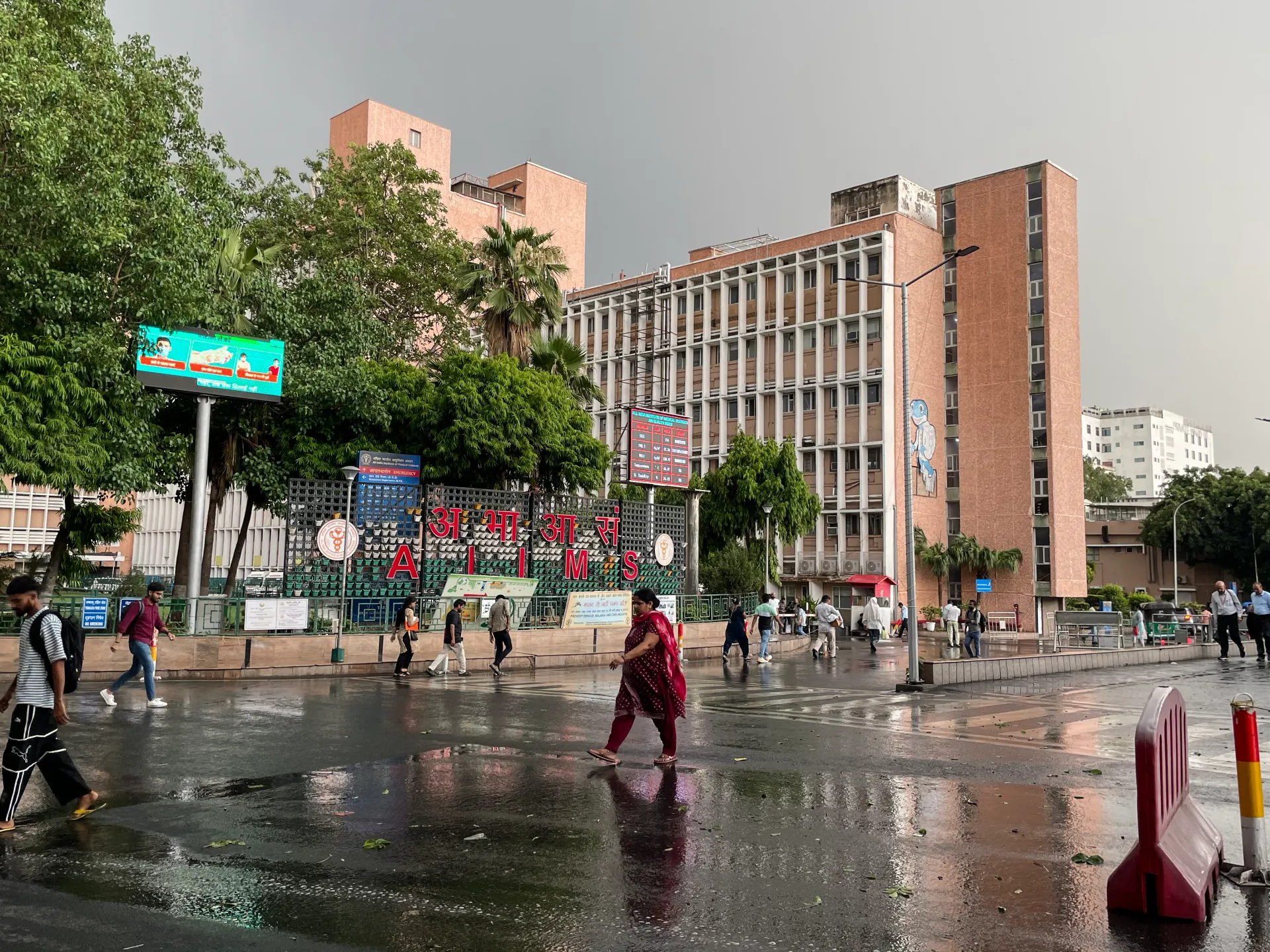
Consider the case of Piyush Singh, a 29-year-old battling stomach cancer, whose mother sits by his side in a palliative care unit at the All India Institute of Medical Sciences (AIIMS) in New Delhi. After five rounds of chemotherapy yielded no improvement, the focus has shifted from cure to comfort. His mother, grappling with the emotional and practical uncertainties, voices a common dilemma: "The world comes to AIIMS when they are not well. But where shall we go?" This sentiment underscores the profound lack of guidance and awareness families face when conventional treatments fail.
Similarly, Aryan from Uttar Pradesh brought his 40-year-old brother, Amit, to AIIMS after a four-year struggle with mouth cancer. Despite multiple surgeries and treatments, doctors have indicated little hope for survival. Aryan, without knowledge of palliative care, plans to take Amit home with prescribed painkillers, lacking any further plan or institutional support. These instances highlight a critical gap in India's healthcare system: the absence of widespread education and accessible resources for end-of-life care.
The Scale of the Challenge
The narratives of Piyush and Amit are not isolated incidents. India, in 2024, recorded an estimated 1.56 million new cancer cases. Beyond cancer, families of patients suffering from traumatic brain injuries and degenerative neurological conditions face similar predicaments. A 2025 analysis revealed that while an estimated seven to ten million people in India require palliative care, only approximately four percent receive it.
This significant disparity is compounded by a societal reluctance to discuss death. In many Indian households, conversations about dying are considered inauspicious, making it difficult for individuals to articulate their medical preferences before a crisis. This cultural barrier often leaves families to make profoundly difficult decisions amidst grief and uncertainty, without prior guidance or understanding of legal provisions such as living wills.
Legal Framework and Its Limitations
The legal landscape for end-of-life decisions in India has evolved significantly. In 2018, the Supreme Court affirmed that the 'right to die with dignity' is enshrined in Article 21 of the Indian Constitution, allowing individuals to record their wishes regarding life-sustaining treatment should they lose the capacity to decide. This ruling was a response to a petition by the NGO Common Cause, advocating for Advance Medical Directives, or 'living wills,' which enable individuals to refuse life-prolonging treatment and nominate a loved one to make decisions on their behalf.
Vipul Mudgal, director of Common Cause, emphasized that this judgment "broadens the scope of Article 21," confirming the right to life includes the right to die with dignity. However, for many years, this right largely remained theoretical.
A landmark case in 2024 brought passive euthanasia into practical application. The family of Harish Rana, a 32-year-old who had been in a vegetative state for nearly 13 years, petitioned the courts for the withdrawal of his life support. The Supreme Court eventually permitted the withdrawal, and Rana passed away two weeks later. This case marked the first instance in India where passive euthanasia, or the withdrawal of life support, was allowed by the top court. Rana’s father, Ashok, described the immense toll of 13 years of caregiving, highlighting the family's exhaustion and the agonizing question of who would care for his son if he and his wife were no longer able.
Awareness Gap and Complexities
Despite the legal precedent set by the Rana case, experts believe it may not immediately transform practices in a country where death remains an uncomfortable topic. A 2019 survey across seven major Indian cities revealed that 73 percent of urban Indians were unaware of their right to a living will. Even among those aware, only six percent had actually drafted one.
The initial guidelines for living wills, designed to prevent misuse, were overly complex. They required an individual to sign the will before two witnesses, countersigned by a magistrate. If a patient became terminally ill, a medical board of specialists with at least 20 years of experience would review the case, followed by a second medical board appointed by a district magistrate. Disagreements would escalate to the High Court.
In 2019, the Indian Society for Critical Care Medicine argued these guidelines were unworkable. Consequently, in 2023, a five-judge Supreme Court bench simplified the process, removing the magistrate's countersignature requirement, reducing the minimum medical experience for review boards to five years, and allowing multiple nominees. While these changes aim to make living wills more accessible, the absence of parliamentary law governing end-of-life care means that these rights exist solely through judicial interpretation.
Manish Jain, the lawyer who represented the Rana family, noted that "living will clinics are absent across India," with only two private clinics existing in Mumbai and New Delhi, largely inaccessible to the majority. Dr. Saipriya Tewari, a pain management and palliative care specialist, highlighted that even doctors often lack full awareness of palliative care options, leading to confusion for families when treatment options are exhausted. The crucial question, as she puts it, becomes: "And even if the end is coming, then how do we maintain dignity in time?"
The path forward involves not only simplifying legal procedures but also fostering widespread public awareness and integrating palliative care into mainstream medical education and practice, ensuring that the right to die with dignity is a practical reality for all Indians.