Israeli Airstrike Strikes Central Gaza Warehouse
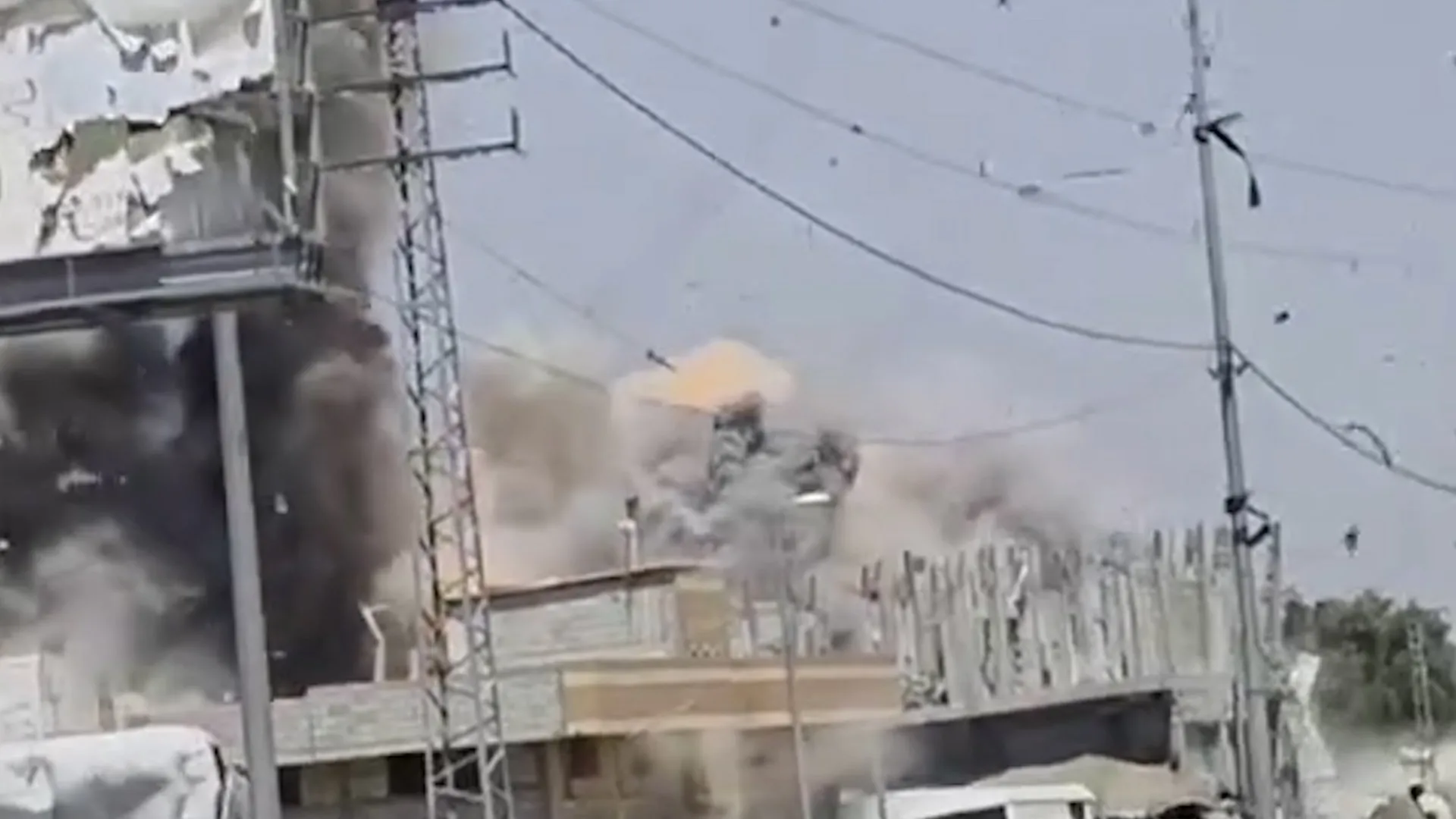
A powerful Israeli airstrike struck a warehouse located in central Gaza, producing a significant explosion that scattered shrapnel and debris across the surrounding area while sending a towering plume of smoke into the sky. Footage captured at the scene documented the moment the strike occurred, offering a visual record of the impact and its immediate aftermath.
Location of the Strike
According to available information, the airstrike is believed to have targeted a warehouse situated east of Az-Zawayda, a locality in central Gaza. The precise purpose of the facility at the time of the strike has not been independently confirmed. Az-Zawayda is one of several populated areas in the central Gaza Strip that has seen repeated military activity in recent months amid the ongoing conflict between Israeli forces and Palestinian militant groups.
Context of the Ongoing Conflict
The strike comes amid a prolonged period of intense military operations in the Gaza Strip that has continued to affect civilian infrastructure, residential neighborhoods, and various facilities throughout the territory. Israeli military operations have been ongoing across multiple areas of Gaza, with strikes recorded in the north, south, and central regions of the strip.
Central Gaza has become a focal point of military activity, with numerous strikes reported in the area over recent weeks. Humanitarian organizations and international observers have repeatedly raised concerns about the impact of such strikes on civilians and on infrastructure essential to daily life, including warehouses that may be used for food storage and the distribution of aid supplies.
Humanitarian Concerns
The targeting of storage facilities in conflict zones has drawn scrutiny from aid organizations, which have highlighted the difficulty of delivering and preserving essential supplies in active combat areas. Warehouses and distribution centers play a critical role in humanitarian relief operations, and strikes on such structures can significantly impede efforts to get food, medicine, and other necessities to affected populations.
International relief agencies operating in Gaza have consistently reported challenges in accessing certain areas due to ongoing hostilities, damaged roads, and restrictions on movement. The destruction of storage infrastructure adds an additional layer of difficulty to an already strained aid delivery system that is struggling to meet the needs of a large displaced population.
Reactions and International Pressure
The broader international community has continued to call for restraint and for the protection of civilian life and infrastructure in Gaza. Multiple governments, international bodies, and human rights organizations have urged all parties to the conflict to comply with international humanitarian law, which mandates the distinction between military targets and civilian or protected sites.
Israeli authorities have maintained that their military operations are aimed at neutralizing threats posed by Hamas and other armed groups operating within Gaza. They have consistently stated that strikes are directed at legitimate military targets, though critics and independent observers have questioned the proportionality and precision of certain operations, particularly those affecting populated areas and civilian infrastructure.
Situation on the Ground
Conditions in central Gaza, as in other parts of the territory, remain extremely difficult. Large numbers of displaced people have moved repeatedly in search of safer areas, while access to food, clean water, medical care, and shelter continues to be severely limited. Aid organizations have described the humanitarian situation in Gaza as critical, with needs far outpacing the available resources and supply chains.
Witnesses and local residents near the site of the latest strike described the explosion as one of the more powerful in recent days, with the visible shockwave and debris spread indicating a significant blast. Emergency responders and civilian volunteers have been working under dangerous conditions throughout the conflict to assist those injured or affected by ongoing strikes across the territory.
The situation in Gaza continues to attract global attention, with diplomatic efforts ongoing in various international forums to negotiate a ceasefire or humanitarian pause. However, as of the time of this strike, no lasting agreement had been reached, and military operations on both sides of the conflict were continuing with significant human and material costs.