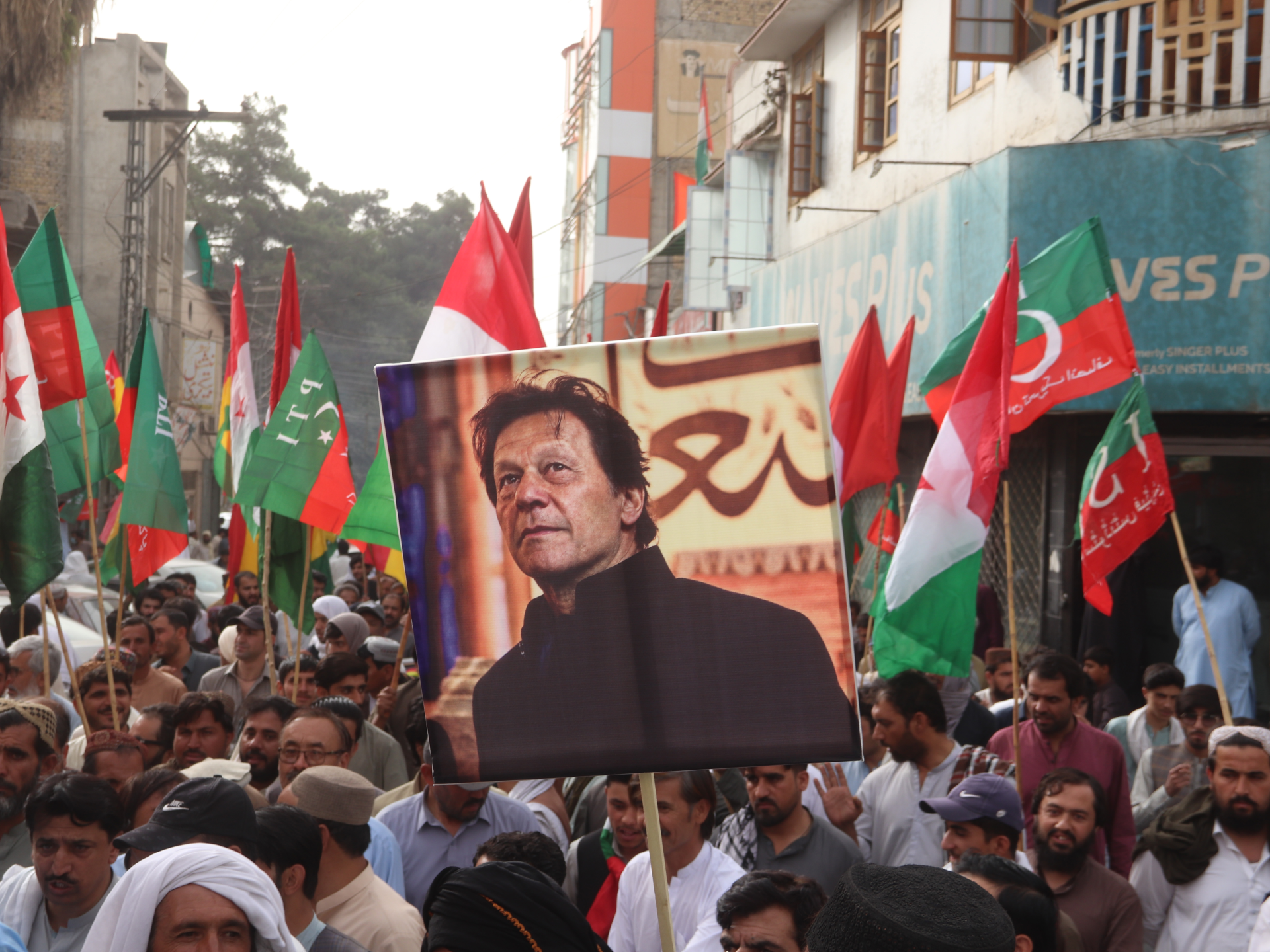
Supreme Court Intervenes in Former PM's Medical Care
Pakistan's Supreme Court has issued a directive for the transfer of former Prime Minister Imran Khan, who also founded the opposition Pakistan Tehreek-e-Insaf (PTI) party, from Rawalpindi’s Adiala prison to Islamabad’s Shifa International Hospital. This order, to be executed within two days, addresses a long-standing demand from Khan’s party regarding his medical treatment. The three-member judicial bench further mandated the establishment of a medical board to oversee Khan's care, which will include his sister, Dr. Uzma Khan, and his personal physician, Dr. Faisal Sultan. Additionally, the court stipulated that Khan's family must be granted access to him at the hospital, and he should be permitted to communicate with his sons residing abroad.
The next hearing in this matter is scheduled for September 16, with Khan expected to remain hospitalized until at least that date. This period would mark the longest duration Khan has spent outside prison facilities since his incarceration in August 2023. Khan was imprisoned following convictions in several corruption-related cases, which he and his party vehemently assert are politically motivated.
Health Concerns Prompt Judicial Action
The court's decision was influenced by a report submitted by the Adiala jail superintendent, detailing a cardiac board's assessment of Khan, 73, on August 10. This report highlighted fluctuating blood pressure and anxiety, attributed in part to restricted contact with his family. During Tuesday’s proceedings, the Supreme Court questioned the advocate general about perceived deficiencies in the report, noting that Khan's “pulse and heart condition were not normal” and that his vital organs “had started being affected.”
Previously, similar requests for Khan's transfer had been denied twice since February, including a ruling by the Islamabad High Court that instead called for a medical board's assessment within the prison system.
PTI's Stance on Medical Treatment and Political Dialogue
Zulfi Bukhari, a prominent PTI leader, emphasized that the Supreme Court's ruling validates the party's consistent argument that Khan requires independent, specialized medical attention beyond the prison environment. Bukhari stated, “Medical care provided within the prison system is no substitute for a thorough evaluation by independent specialists of his choosing.” He reiterated that the PTI has consistently advocated for Khan's transfer to Shifa International Hospital and access to his own medical professionals. Government officials, conversely, have maintained that any such transfer necessitates judicial authorization rather than executive discretion. Rana Sanaullah, an adviser to Prime Minister Shehbaz Sharif, informed the Senate that Khan was receiving “the best available medical treatment” and that his condition did not warrant the concerns raised by the PTI.
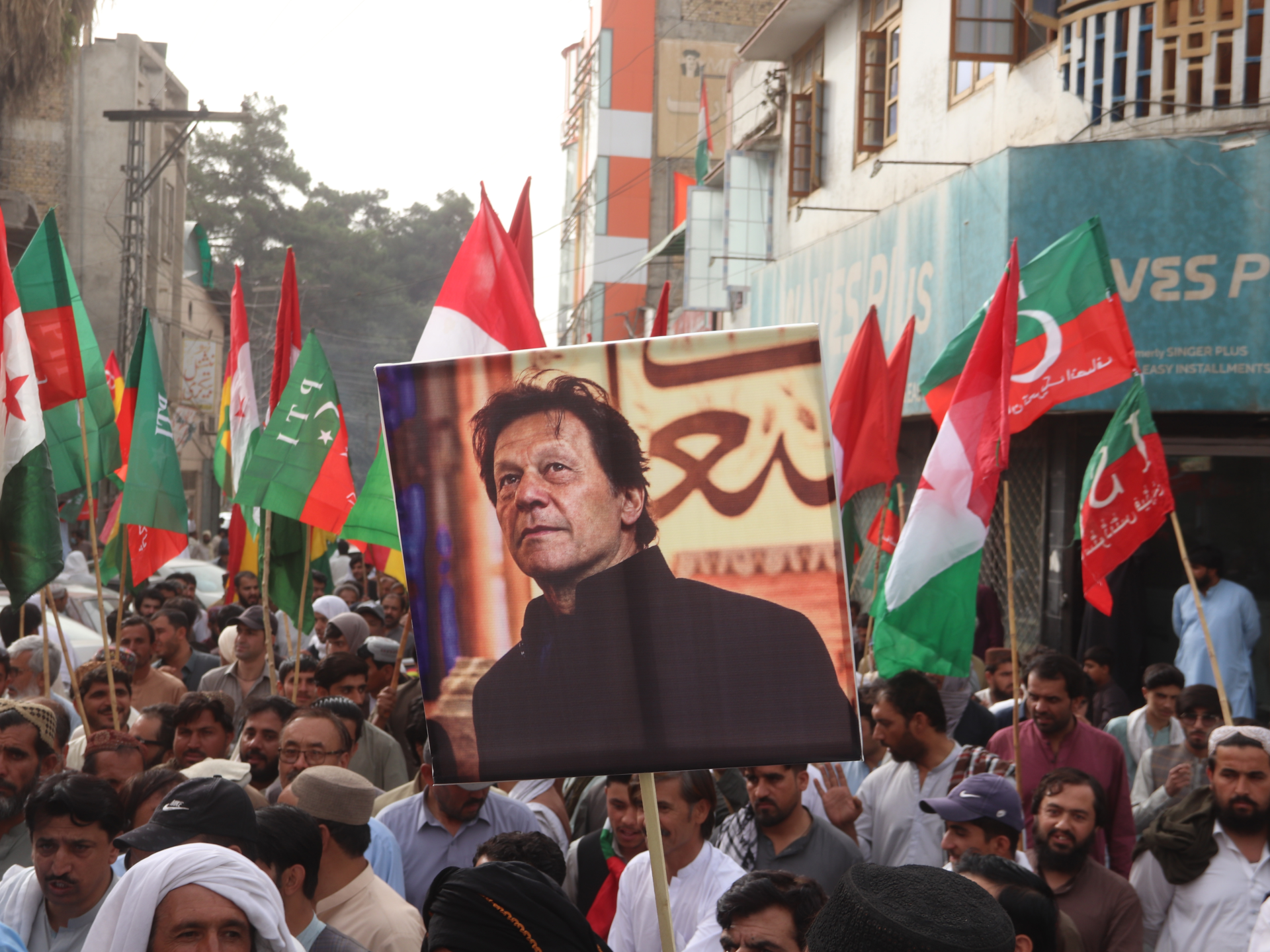
The court order emerges amidst a broader impasse concerning access to Khan, which the PTI has increasingly positioned as a prerequisite for resuming negotiations with the government. While the government claims renewed efforts for dialogue, the PTI leadership has announced a nationwide protest for September 27.
PTI's Future Actions and Calls for Justice
In response to the court's decision, the PTI has urged its supporters to refrain from congregating outside Shifa International Hospital, calling for a “peaceful environment” around the facility during Khan’s treatment. Aleema Khan, Imran Khan’s sister, informed reporters outside the court that the family had assured the bench they would not publicly discuss the case’s specifics, a condition set for the hearing. She expressed relief, stating, “There came a time when we had become completely hopeless. But in that very state, God opened a path of justice for us.”
Following the court's directive, PTI spokesman Sheikh Waqas Akram confirmed that preparations for the September 27 march would continue irrespective of other developments. He reiterated Khan's instructions to pursue justice and the rule of law as the party's primary objectives. Akram indicated that the party would only reconsider its future actions if the government adheres to court orders and initiates discussions that acknowledge what the PTI terms a “theft of mandate” in the 2024 elections. “If they don’t do that, we have no choice but to go on with our march,” he stated. Sohail Afridi, Khyber Pakhtunkhwa province Chief Minister and a senior PTI leader, lauded the court’s decision as “justice-based, appreciable” and affirmed that the PTI “will not do any politics” concerning Khan’s health.
Potential for Political Reconciliation?
Some observers interpret the Supreme Court’s intervention as a potential indicator of a thaw in relations between the government and Pakistan's primary opposition party. Benazir Shah, a political analyst based in Lahore, noted, “In the past, there have been plenty of rumours about a deal that went nowhere, but this time, there are a few signs of a possible thaw with PTI.” Shah suggested that addressing security challenges in Balochistan and ongoing protests in Azad Jammu and Kashmir might prompt the government to seek a reprieve from confrontation with the PTI. Balochistan, Pakistan’s largest and most sparsely populated province, has experienced numerous attacks this year, while Pakistan-administered Kashmir has seen months of unrest following a ban on a civil society coalition advocating for electoral and economic reforms, with recent regional elections resulting in dozens of fatalities.
However, Shah cautioned against over-interpreting these signs, emphasizing that any reconciliation would ultimately depend on Khan himself. She explained, “He remains the central figure in PTI, and any [government] deal with the party would ultimately require his approval. If he is moved to hospital and allowed greater access to other party leaders, only then would it be clear whether he is prepared to engage with the existing political and military set-up.”