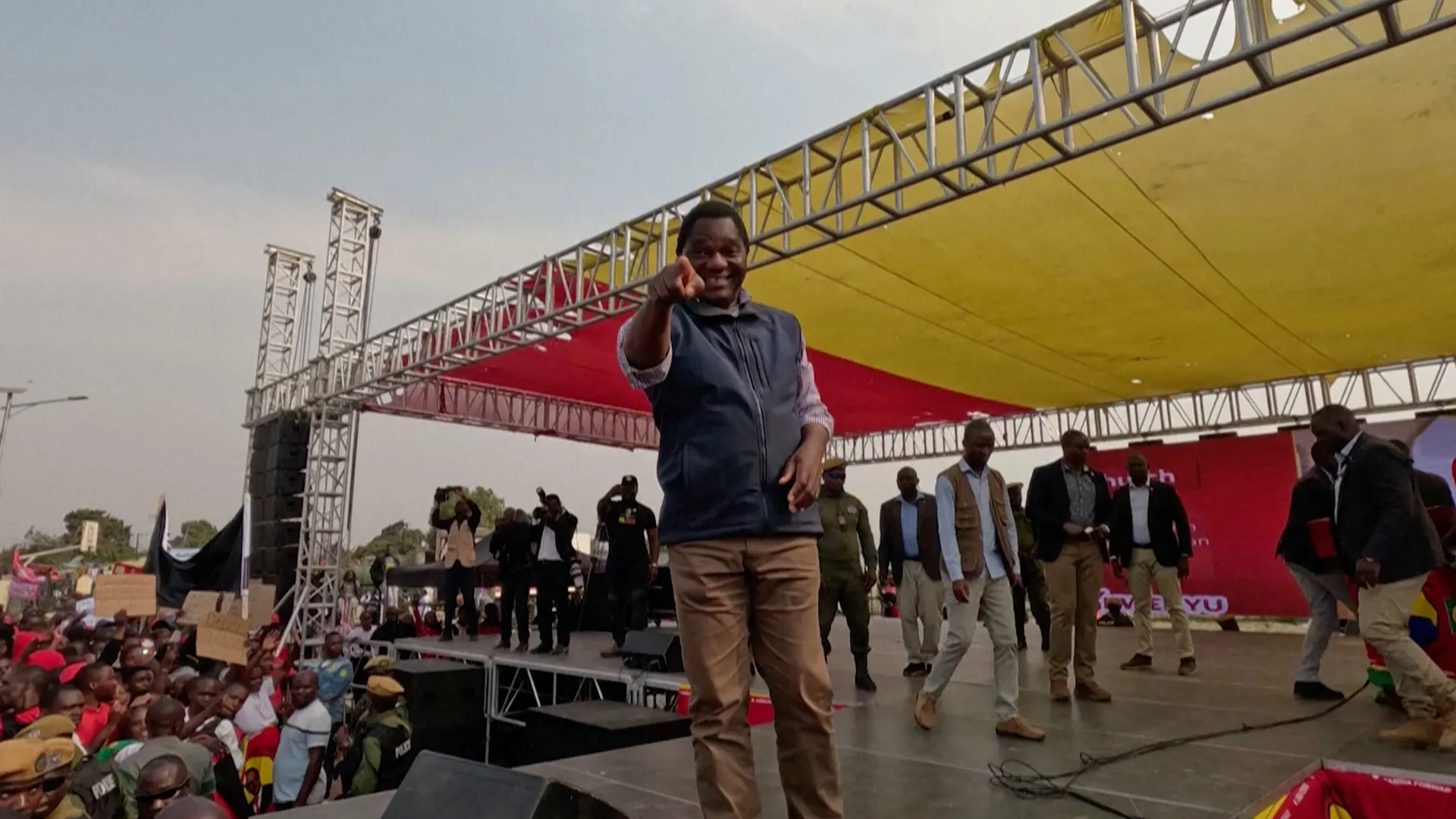
President Hichilema's Re-election Bid
As Zambia approaches its general election, President Hakainde Hichilema is actively campaigning for a second term in office. The incumbent leader recently held a significant rally in the capital city of Lusaka, drawing tens of thousands of supporters. This public display of backing underscores the political fervor gripping the nation as citizens prepare to cast their votes.
The President's campaign is unfolding against a backdrop of considerable economic challenges that are central to the public discourse and will likely influence the outcome of the election. Among the most prominent issues facing Zambian voters are a persistent unemployment rate and the rising cost of living, both of which are exerting pressure on households across the country.
Economic Landscape and Voter Concerns
Zambia's economic situation is a critical determinant in the upcoming election. The national unemployment rate, hovering around 10 percent, signifies a substantial challenge for the government and a primary concern for the electorate. This figure represents a significant portion of the working-age population without formal employment, leading to widespread calls for job creation and economic opportunities.
In addition to unemployment, the high cost of living is another pressing issue. Zambian citizens are experiencing increased prices for essential goods and services, including food, fuel, and housing. This inflationary trend erodes purchasing power and places a heavy burden on families, making economic stability and affordability key themes in the political debate. Voters are keenly interested in how their chosen leaders plan to address these daily financial pressures.
The economic challenges, particularly the 10 percent unemployment rate and the high cost of living, are undoubtedly shaping the electoral landscape and influencing voter sentiment across Zambia.
President Hichilema's administration has been tasked with navigating these economic headwinds since he first took office. His re-election campaign is largely focused on presenting a vision for economic recovery and sustained growth, aiming to convince voters that his policies are the most effective path forward for the nation. He is expected to highlight any achievements during his first term that he believes have contributed positively to the economy, while also outlining future strategies to tackle the current difficulties.
The Role of Public Rallies in Zambian Politics
The recent rally in Lusaka serves as a powerful illustration of the traditional campaigning methods still prevalent in Zambian politics. Large-scale public gatherings allow candidates to directly engage with a significant segment of the population, convey their messages, and gauge public support. For President Hichilema, such events are crucial for mobilizing his base, energizing volunteers, and projecting an image of strong leadership and popular appeal.
These rallies are not merely platforms for speeches; they are often vibrant events characterized by music, dancing, and a sense of collective enthusiasm. They provide an opportunity for party loyalists to demonstrate their commitment and for undecided voters to witness the level of support a candidate commands. The sheer number of attendees at the Lusaka rally suggests a significant level of engagement and interest in the upcoming election.
Looking Ahead: The Path to the Election
As the election draws nearer, both President Hichilema and his political opponents will intensify their campaigns. The focus will remain heavily on economic policies, with each side presenting their solutions to the challenges of unemployment and the cost of living. Debates and public appearances will provide further opportunities for candidates to articulate their platforms and differentiate themselves from competitors.
The outcome of this election will be pivotal for Zambia's future trajectory. Voters will weigh the promises and track records of the candidates against their own experiences with the current economic climate. The ability of the next government to effectively address the economic concerns of its citizens will largely determine its success and the nation's stability in the coming years. The period leading up to the election promises to be a dynamic and closely watched political contest.